Experts remind diabetic patients not to focus solely on blood sugar; body composition analysis is a crucial step in health management.
Doctor, my blood sugar is well controlled, so why do I still feel constantly weak? At the expert clinic of Lanzhou Ruijing Diabetes Hospital, Deputy Chief Physician Song Shuhua often hears such questions. Her response often surprises patients: Your blood sugar levels may be within the target range, but the internal 'composition distribution' of your body may already be imbalanced.

Director Song Shuhua, Deputy Chief Physician and outpatient expert at Lanzhou Ruijing Diabetes Hospital, pointed out that many diabetic patients excessively focus on blood sugar numbers while overlooking changes in body composition, which are precisely the key factors determining disease progression and quality of life.
01
Diabetes Management, Why Should Body Composition Be a Focus
Director Song Shuhua explains that diabetes is not merely a blood sugar issue but a metabolic syndrome. Prolonged hyperglycemia leads to alterations in body composition: accelerated muscle loss, abnormal fat distribution, and fluid imbalance. These changes, in turn, affect blood sugar control, creating a vicious cycle.
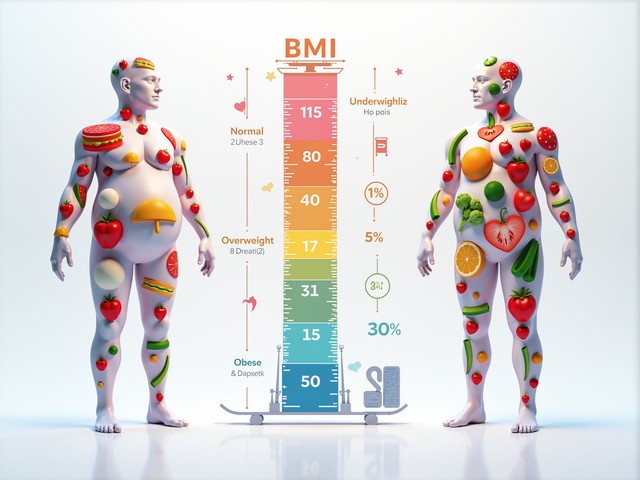
Traditionally we rely on body weight and BMI to assess a patient's nutritional status, but these indicators are too crude. Director Song Shuhua said, "Two individuals with the same BMI may have completely different metabolic conditions and treatment needs—one could be a muscular athlete, while the other might be an obese diabetic patient."

02
What exactly does body composition analysis examine
At Lanzhou Ruijing Diabetes Hospital, body composition analysis has become a routine component of comprehensive diabetes assessment. Director Song Shuhua provides a detailed explanation of the key indicators included in this examination and their clinical significance:
1. Body Fat Content and Distribution
- Visceral Fat AreaThis is one of the most critical indicators. Visceral fat surrounds abdominal organs and secretes a large number of inflammatory factors, directly leading to insulin resistance. Director Song emphasized, "Even with normal body weight, excessive visceral fat significantly increases cardiovascular risk."
- Subcutaneous fatA relatively "safe" form of fat storage, but excessive amounts can still affect metabolism.
2. Muscle Mass and Distribution
- Skeletal muscle massMuscle is the primary site for glucose consumption, and muscle loss can lead to more difficulty in controlling blood sugar levels.
- Segmental Muscle AnalysisAssess muscle distribution in the limbs and trunk for early detection of diabetic sarcopenia.
3. Body Water
- Intracellular fluid to extracellular fluid ratioReflects cellular metabolic activity; abnormal ratios indicate metabolic dysfunction.
- Extracellular Fluid/Total Body Water RatioAssess the risk of edema; diabetic patients often experience abnormal fluid distribution due to microcirculation disorders.
4. Basal Metabolic Rate
- Reflects the body's energy expenditure at rest and guides the setting of daily calorie intake.
5. Phase Angle
- An important indicator for assessing cellular integrity and functional status, a low phase angle suggests impaired cellular function and poor nutritional status.
03
From Data to Action: How to Guide Personalized Nutrition Therapy
Director Song Shuhua shared several typical cases to illustrate how body composition analysis can alter treatment strategies:
Case One: Hidden Muscle Loss
An elderly patient with "well-controlled" blood glucose and normal BMI showed significantly lower skeletal muscle mass than the standard and higher visceral fat in body composition analysis. Director Song adjusted the plan: on the basis of controlling total calorie intake, increase the intake of high-quality protein (such as whey protein, fish) combined with resistance training. After three months of reexamination, muscle mass increased by 5%, and blood glucose fluctuations decreased instead.
Case Two: Misjudged "Successful Weight Loss"
A middle-aged patient lost 10 kilograms through extreme dieting over six months, believing they had successfully controlled their weight. However, analysis revealed that 60% of the weight lost was muscle, while visceral fat actually increased. Director Song explained, "Incorrect weight loss methods exacerbate metabolic deterioration." She designed a balanced diet high in protein, with moderate amounts of healthy fats and low-glycemic-index carbohydrates, combined with strength training, to help the patient rebuild a healthy body composition.
Based on body composition analysis, Director Song Shuhua summarized the principles for adjusting nutritional therapy for diabetes:
- Muscle-First StrategyFor individuals with insufficient muscle mass, protein intake can be moderately increased to 1.2-1.5 grams per kilogram of body weight, with a focus on ensuring the intake of essential amino acids such as leucine.
- Targeted Fat ReductionIndividuals with excessive visceral fat must strictly control trans fats and saturated fats, while increasing dietary fiber, particularly soluble fiber such as oats, legumes, and apples.
- Water Balance ManagementFor individuals with excessively high extracellular fluid ratio, while controlling sodium intake, it is necessary to assess cardiac and renal function and adjust water intake and diuretic usage.
- Metabolic Rate Matched DietDevelop a calorie plan based on measured basal metabolic rate to avoid further muscle loss caused by a one-size-fits-all low-calorie diet.
04
Simple and convenient testing process
At Lanzhou Ruijing Diabetes Hospital, this examination takes only 5-10 minutes. Patients simply need to remove their shoes, socks, and heavy outerwear, stand barefoot on the instrument, and hold the electrodes to obtain a detailed report. Director Song Shuhua recommends that diabetic patients undergo body composition analysis at least every 3-6 months, especially before and after adjustments to their treatment plan.
Body composition analysis allows us to see the complete metabolic picture behind blood glucose numbers. Director Song Shuhua summarized, "It helps us advance from 'controlling blood sugar' to 'optimizing metabolic status,' which is an important tool for the refined management of diabetes."
Director Song finally reminds that this examination requires professional interpretation, and patients should work with their doctors to develop a truly personalized comprehensive management plan based on indicators such as blood glucose and glycated hemoglobin.