Winter Blood Sugar Stability: A Weekly Meal Plan for Diabetes Management with Three Daily Meals
As winter temperatures drop, the body's metabolism and appetite undergo changes, often leading to more noticeable fluctuations in blood sugar levels. How can we maintain stable blood sugar through daily meals during the cold season? Today, we bring you winter-specific dietary principles for blood sugar control and a one-week meal plan to help you stay warm and keep your blood sugar steady throughout the winter!
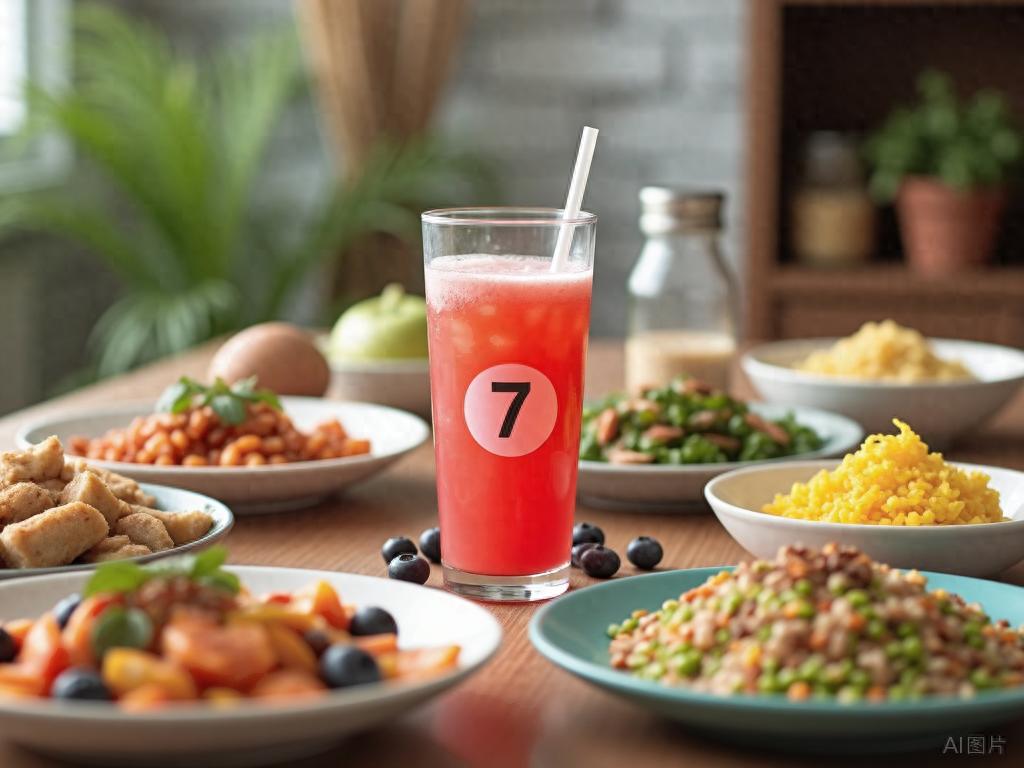
Three Core Principles of Blood Sugar Control Diet in Winter
Principle One: Prioritize Warmth and Choose the Right Ingredients
- Select multiple warm-natured ingredients: pumpkin, Chinese yam, carrot, mutton (in moderation)
- Increase the proportion of soups and stews: Enhance body warmth and avoid stimulation from cold foods.
- Make good use of natural spices: ginger, cinnamon, star anise, etc., which not only enhance flavor but also aid metabolism
Principle Two: Combine Dry and Liquid Foods, with Attention to the Order of Consumption
- Recommended order of food intake: soup → vegetables → protein → staple food
- Food choices for thin consistency: multigrain porridge, vegetable soup (note: porridge intake should be controlled and paired with protein)
- Avoid soup-soaked rice: Prevent rapid absorption of staple foods leading to a spike in blood sugar
Principle Three: Balanced Nutrition with Appropriate Proportions
- Each meal must include three major categories: vegetables (½ plate), protein (¼ plate), and staple food (¼ plate)
- Increase high-quality fats: moderate amounts of nuts and olive oil to enhance satiety
- Adequate dietary fiber: Winter vegetables such as cabbage, radish, and mushrooms should be consumed in sufficient quantities
Winter Blood Sugar Control Weekly Meal Plan: Follow This for Stable Glucose Levels
Monday
- BreakfastYam and Millet Porridge (30g millet + 50g yam) + 1 Boiled Egg + Cold Tossed Kelp Strips
- LunchMultigrain rice (raw weight 50g) + Steamed perch (100g) + Braised cabbage with tofu + Garlic broccoli
- DinnerSteamed Sweet Potato (100g) + Tomato and Mushroom Soup + Stir-fried Chicken Breast with Asparagus
Tuesday
- BreakfastWhole wheat steamed bun (small, 1 piece) + unsweetened soy milk 250ml + celery mixed with peanuts
- LunchBuckwheat noodles (dry weight 60g) + Braised beef brisket with carrots (beef 80g) + Stir-fried spinach
- DinnerSteamed Corn (1 medium-sized ear) + Winter Melon and Shrimp Soup + Homemade Tofu
Wednesday
- BreakfastOatmeal (30g, prepared with milk or unsweetened soy milk) + boiled egg + cold cucumber salad
- LunchBrown rice (raw weight 50g) + Steamed chicken with mushrooms (chicken 100g) + Stir-fried snow peas + Shredded radish soup
- DinnerSteamed Taro (150g) + Crucian Carp and Tofu Soup + Garlic Lettuce
Thursday
- BreakfastSteamed Dumplings (6 whole wheat wrappers, vegetable and lean meat filling) + 100g sugar-free yogurt
- LunchRed Bean Rice (raw weight 50g) + Stir-fried Shrimp (100g) + Stir-fried Wood Ear Mushrooms with Chinese Yam + Seaweed and Egg Drop Soup
- DinnerSteamed Pumpkin (200g) + Tomato and Tilapia Soup + Cold Tossed Broccoli
Friday
- BreakfastSteamed vegetable bun (whole wheat wrapper, medium size, 1 piece) + boiled egg + cold shredded lettuce salad
- LunchMultigrain rice (raw weight 50g) + Mapo tofu (low-oil, low-spice version) + Steamed pork ribs (80g) + Stir-fried green vegetables
- DinnerMillet porridge (30g millet) + scrambled eggs with chives + cold dressed wood ear mushrooms
Saturday
- BreakfastWonton (8 pieces, thin skin with ample filling, light broth) + Cold Jellyfish Salad
- LunchBrown rice (raw weight 50g) + stewed lamb with white radish (lamb 80g) + stir-fried choy sum
- DinnerSteamed Chinese Yam (150g) + Mushroom Soup + Stir-fried Shredded Pork with Celery
Sunday
- BreakfastVegetable Pancake (Whole Wheat Flour 50g + Egg + Vegetables) + Sugar-Free Soy Milk
- LunchDumplings (10 pieces, served with a generous portion of vegetable salad)
- DinnerMultigrain porridge (30g of various mixed beans) + Steamed fish + Mixed vegetable salad (assorted vegetables)
Special Reminders for Blood Sugar Control in Winter
1. Cooking Method Selection
- Recommendation: Steaming, boiling, stewing, cold tossing, quick stir-frying
- Avoid: deep-frying, braising in soy sauce, sweet and sour sauce, thickening with starch
2. Snack Arrangement (if needed)
- Time: 10 AM or 3-4 PM
- Option: 2 walnuts/100ml yogurt/half a cucumber/half an apple
- Principle: Small quantity, low glycemic index, at least 2 hours apart from main meals
3. Essential Winter Warm-Up Drinks (Sugar-Free)
- Ginger and Red Date Tea (1-2 red dates)
- Cinnamon Apple Tea (apple pieces boiled in water with a small amount of cinnamon powder)
- Pu-erh tea, barley tea
4. Beware of the "Hidden Sugar" Trap
- Thick "health-preserving porridge" may contain a large amount of starch.
- Hot pot dipping sauces (satay sauce, sesame paste) are high in oil and salt.
- Prolonged soup cooking increases the purine and fat content in the soup.
5. Monitoring and Adjustment
- Blood glucose monitoring can be increased in frequency during winter, with particular attention to postprandial 2-hour blood glucose levels.
- In case of abnormal blood glucose fluctuations, promptly record dietary intake and make adjustments.
- Keep warm, as cold stress can also lead to elevated blood sugar levels
Three Simple Tips to Make Blood Sugar Control Easier
Tip 1: Use Smaller Tableware
Using small bowls and plates can provide a stronger sense of visual satisfaction, naturally helping to control food intake.
Technique Two: Color Enrichment
Include at least three colors of vegetables in each meal for more comprehensive nutrition and better appetite.
Technique Three: Advance Preparation
Prepare some multigrain rice in advance on weekends, portion and freeze it, then simply reheat on weekdays.
Winter blood sugar control hinges on diet. This recipe combines seasonal winter ingredients with blood sugar management needs, but remember:Individual glycemic responses to food vary.It is recommended to strengthen blood glucose monitoring when trying new recipes to find the most suitable combination for oneself.
Blood sugar control is not an ascetic practice, but rather learning to coexist harmoniously with food. May this winter recipe accompany you through a warm season, with stable blood sugar levels and worry-free health!
Friendly ReminderThis dietary plan is suitable for general reference for patients with type 2 diabetes. For special circumstances such as kidney complications or gestational diabetes, please consult a doctor or nutritionist for personalized adjustments.