A Special Housework Prescription for Blood Sugar Control Tailored for Diabetics Highly Recommended by Doctors
Doctor, I take my medication on time every day, so why is my blood sugar still not well controlled?
Such questions are often heard in the consultation room.
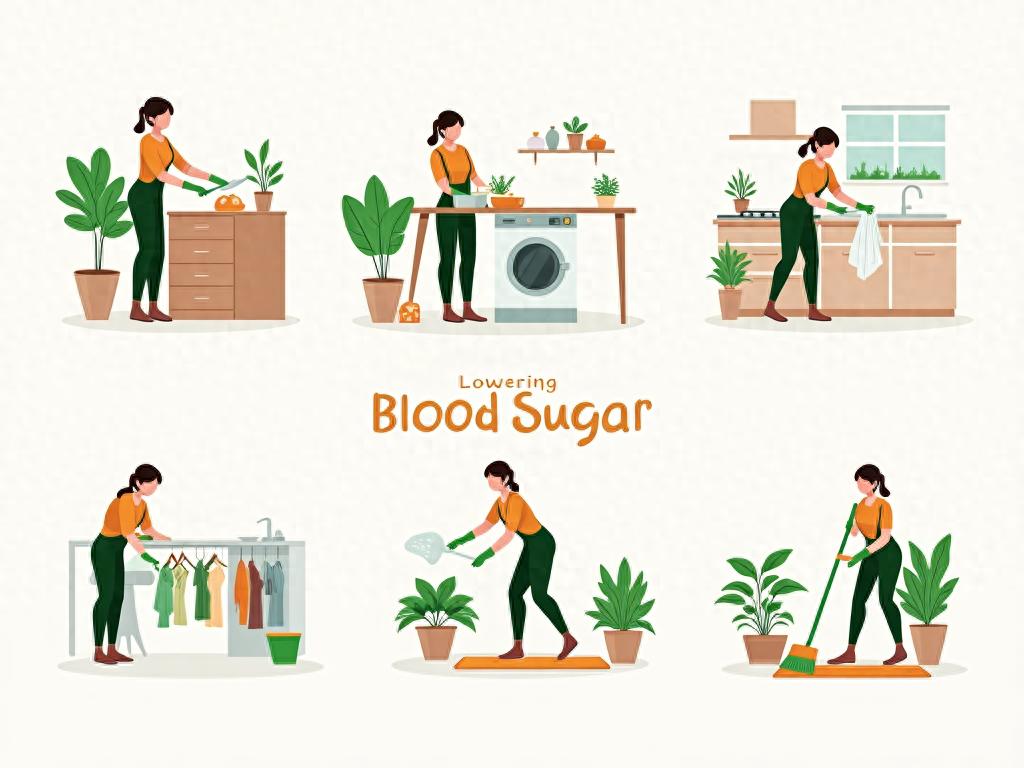
Many diabetic patients may not realize that the answer might be hidden in their daily mops, rags, and watering cans. Household chores, seemingly ordinary tasks, can actually serve as a hidden "blood sugar-lowering remedy" in the lives of those with diabetes.
Why Does Doing Housework Lower Blood Sugar
Household chores are a low to moderate intensity aerobic exercise that can promote muscle utilization of glucose and improve insulin sensitivity. The American Diabetes Association notes thatFor every 10 minutes of moderate-intensity household chores, blood glucose can be reduced by 1-2 mmol/L.。
More importantly, household activities break the vicious cycle of prolonged sitting. For individuals with diabetes,Sitting continuously for more than 30 minutes reduces the efficiency of blood sugar metabolism.Interspersing household chores is like pressing the "restart button" for the body, keeping the blood sugar regulation mechanism active.
Housework Blood Sugar Reduction Checklist for Diabetics
Based on energy expenditure and safety, I have compiled a graded household chores list for you:
★★★ High-Efficiency Glucose-Lowering Type (High Energy Consumption, Significant Effect)
1. Mopping/Wiping the floor- The King of Whole-Body Exercise
- Correct approach: Avoid bending over, use a long-handled mop, and coordinate the force from arms and waist
- Rhythm control: Rest for 1 minute every 5 minutes, lasting 20-30 minutes
- Hypoglycemic effect: Equivalent to walking for 25 minutes
2. Hand washing large items of clothingUpper body strength training
- Safety Tips: Sit while washing to avoid prolonged bending; focus on moving arms and shoulders
- Schedule: Conduct in sessions, each not exceeding 15 minutes
- Special Reminder: Individuals with retinopathy should avoid wringing forcefully.
3. Wiping windows/cleaning high cabinets- "Stretching Exercises"
- Safety Points: Use a stable step stool and hold on with one hand for support
- Exercise Benefits: Improves Balance and Upper Limb Muscle Groups
- Precautions: Avoid tiptoeing to reach high places to prevent falls
★★ Gentle and Sustained Type (Suitable for Daily Intermittent Practice)
4. Cooking and Meal Preparation- "Standing Exercise"
- Sugar Control Tip: March in place while preparing ingredients; stand on tiptoe while stir-frying
- Time Utilization: Perform Toe Raises During Stewing Intervals
- Bonus: Homemade healthy meals for dual blood sugar control
5. Organization and Storage- "Interval Training"
- Scientific arrangement: Stand up and move for 2 minutes after every 10 minutes of organizing
- Activity Design: Place items back and forth from one end of the room to the other
- Psychological Benefits: A tidy environment brings a sense of pleasure and alleviates stress
6. Gardening Activities- "Naturopathy"
- Preferred Activities: Watering, Pruning, Weeding (Avoid Prolonged Squatting Posture)
- Optimal time: Morning or evening, avoiding periods of intense sunlight
- Physical and Mental Benefits: Exposure to Nature Reduces Stress Hormones
Basic Activity Type (Suitable for when physical condition is poor)
7. Folding clothes- "Seated Exercise"
- Active adjustment: Sit and fold, stretch arms after folding each item.
- Rhythm Control: Proceed slowly, coordinating with deep breathing
- Applicable Population: Elderly and frail individuals or those in a period of unstable blood glucose levels
The Golden Rule of Blood Sugar Reduction Through Household Chores
- Timed and QuantifiedStart household activities 1 hour after a meal when blood sugar begins to rise for optimal effect.
- Monitoring FirstCheck blood glucose before starting; if it is below 5.6 mmol/L, supplement with a small amount of carbohydrates first.
- Segment by segmentBreak down 30 minutes of household chores into three 10-minute segments distributed throughout the day
- Intensity Self-CheckBeing able to talk but not sing during activity indicates moderate intensity.
- Safety FirstWear anti-slip shoes, carry candy for emergencies, and inform family members of your whereabouts.
Household Task Adjustment Table for Different Diabetic Patients
Patient Type | Recommend household chores | Household Chores to Avoid | Special Reminder |
Elderly patients with diabetes | Folding clothes, selecting vegetables, light cleaning | Climbing heights, lifting heavy objects, prolonged bending | Take a break every 15 minutes |
Diabetic Nephropathy | Light tidying, watering plants, simple meal preparation | Heavy cleaning involving chemical cleaning agents | Avoid breath-holding and straining maneuvers |
Diabetic foot patients | Sitting household chores, upper limb-dominated activities | Household chores requiring prolonged standing | Examine both feet after activity |
Gestational Diabetes Mellitus | Walking-style tidying, light gardening | Exposure to cleaning agents, lifting heavy objects | Stay well hydrated and avoid overheating |
Practical Tips for Turning Household Chores into Enjoyable Activities
- Music Boosts HealthChoose music with a moderate tempo (120-140 beats per minute) and perform household chores in rhythm with it.
- Family InteractionDivide tasks with family members, incorporate social elements, and enhance well-being.
- Target VisualizationRecord daily housework time, summarize weekly blood glucose changes, and observe progress
- Microbreak MethodAfter completing each small task, take a sip of water, stretch a bit, and then continue.
Special Reminder: Pause Housework During These Times
- Blood glucose levels are too high (>16.7 mmol/L) or too low (<4.0 mmol/L)
- Feeling dizzy, palpitations, and cold sweats
- When blood pressure rises abnormally
- Blurred vision and increased floaters occur.
- New wounds or redness and swelling on the feet
A Day's "Housework for Blood Sugar Reduction" Demonstration
Aunt Wang, 65 years old, with type 2 diabetes, her day is arranged as follows:
- 7:30 AM: After breakfast, make the bed and tidy up the bedroom (10 minutes).
- 9:00 AM: Prepare lunch ingredients while performing heel raise exercises (15 minutes)
- 3:00 PM: Mopping the floor, completed in two segments with a break in between (total 20 minutes)
- 6:30 PM: After dinner, tidy the living room while walking, wipe the tabletop (15 minutes)
- 8:00 PM: Fold and air-dry laundry, completed while sitting (10 minutes)
Total daily household activities accumulated to 70 minutes, equivalent to 40 minutes of moderate-intensity exercise.The average blood glucose level decreased by 1.8 mmol/L throughout the day.。
Household activities are not a burden but an effective tool for self-management in diabetes patients. They require no extra time or special equipment yet can be integrated into every aspect of life. As American diabetes educator Martha Winter said:Blood sugar control is not in the gym, but in every proactive choice in daily life.”
Starting today, take a fresh look at the household chores around you! They are no longer mundane tasks you have to do, but proactive steps you take toward your health. When you pick up the mop, you are not only cleaning your home but also "cleaning" your blood sugar.
Friendly ReminderThe household chore-based blood sugar reduction plan provided in this article serves as an auxiliary measure and cannot replace medication treatment and dietary control. Before starting any new activity plan, please consult your healthcare team, especially if you have diabetes complications or other health issues.