After Winter Solstice Begins the "Nine Periods": How Can Diabetics Stabilize Blood Sugar? Renowned TCM Doctor Shares Health Preservation Principles!
The Winter Solstice has just passed. As the sun's direct rays reach their southernmost point, we welcome the day with the shortest daylight and longest night in the Northern Hemisphere, marking the official start of the "Coldest Days of Winter."
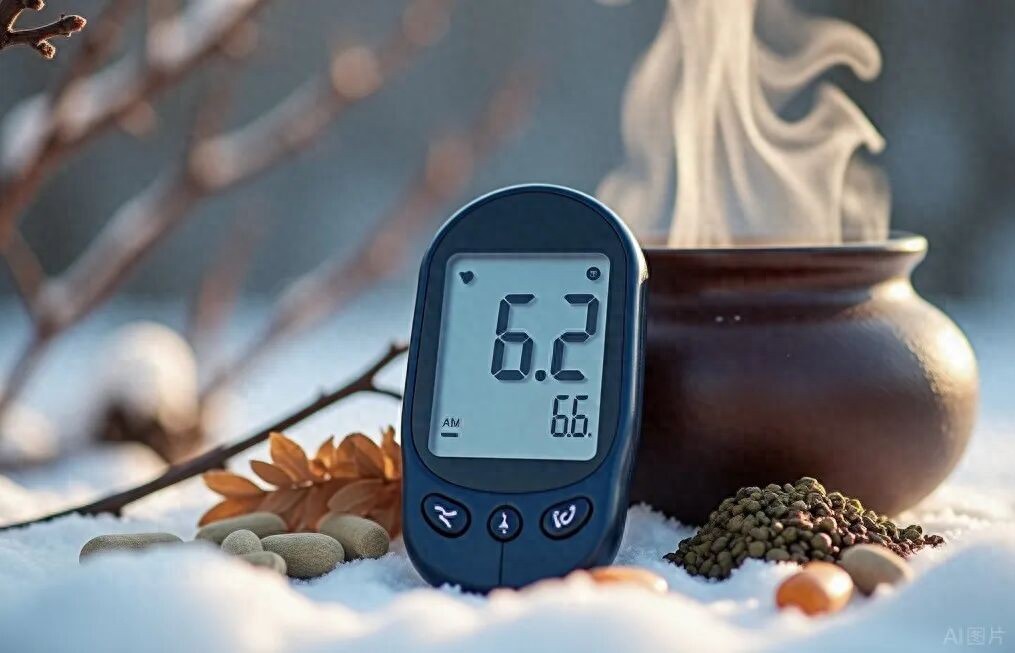
For people with diabetes, this is not just a seasonal change but also a test of their blood glucose management capabilities. Why is blood glucose more prone to fluctuations in cold weather? What health wisdom aligned with the solar term can help us navigate the winter smoothly?
In this issue, we have specially invited Li Wei, a renowned Traditional Chinese Medicine (TCM) expert in Gansu Province, Chief Physician, and Director of the TCM Department at Lanzhou Ruijing Diabetes Hospital. Drawing on the TCM theory of "correspondence between man and nature," she will explain in detail the key health preservation points for people with diabetes after the Winter Solstice.
01 Why Does Blood Glucose Fluctuate More in the Cold Wind?
In freezing weather, many people with diabetes may find their blood glucose harder to control even with consistent diet and medication. Director Li Wei points out that multiple physiological and environmental factors are at play.
First, cold stimulates the body's sympathetic nervous system, putting it in an excited state. This excitement promotes increased secretion of catecholamines (such as adrenaline), which in turn promotes the breakdown of liver glycogen, leading to a rapid rise in blood glucose.
Second, to maintain core body temperature, the body's basal metabolism increases slightly, leading to higher energy expenditure. This can sometimes result in an unconscious increase in appetite, particularly cravings for high-calorie foods.
Additionally, reduced sunlight in winter and limited outdoor activities generally lead to decreased physical activity. This reduces insulin sensitivity and the efficiency of glucose consumption by muscles, further complicating blood glucose control.
02 Winter Diet: Not About Blindly Supplementing
There is a folk saying: "Nourish at the Winter Solstice, and your vitality will be sufficient for the year." However, Director Li Wei emphasizes that for people with diabetes, winter supplementation should focus on "gentle supplementation" and "smart supplementation." Avoid blindly consuming high-calorie, greasy, and rich foods, as this can increase metabolic burden.
Choose Warming Ingredients to Strengthen Spleen and Kidney Yang
TCM believes that winter corresponds to the kidneys and is the best time to nourish and store kidney essence and protect yang energy. In terms of diet, opt for ingredients that are neutral to slightly warm in nature:
- Meat: Consume moderate amounts of lamb, lean beef, skinless chicken, etc., about 50-100 grams daily (approximately the size of your palm), to provide high-quality protein. It is recommended to use cooking methods such as stewing, boiling, or steaming, skimming off any surface fat.
- Root Vegetables and Legumes: Chinese yam and pumpkin can strengthen the spleen and have a relatively controllable glycemic index; black beans and goji berries help nourish the kidneys and essence.
- Medicinal Foods: When making soup or porridge, you can add small amounts of astragalus root and angelica root to benefit qi and nourish blood.
Adjust Meal Sequence to Effectively Stabilize Postprandial Blood Glucose
Director Li Wei explains that a simple change in eating habits can help control postprandial blood glucose: develop the meal sequence of "first soup → then vegetables → followed by protein (meat/eggs/legumes) → finally staple food."
This sequence increases satiety, slows down the absorption of carbohydrates from the staple food, and results in a more gradual rise in blood glucose.
Increase Dietary Fiber, Combine Refined and Whole Grains in Staple Foods
Do not reduce vegetable intake because of the cold weather. Ensure at least 500 grams of vegetables daily, with more than half being leafy greens. For staple foods, replace at least one-third of refined rice and flour with whole grains like oats, brown rice, and buckwheat. The rich dietary fiber is a great aid in blood glucose control.
03 Daily Life and Exercise: Follow the Principle of "Winter Storage"
The Yellow Emperor's Inner Canon states: "During the three months of winter, this is called closing and storing... Retire early and rise late, and wait for the sunlight." Director Li Wei explains that the core of winter health preservation lies in "storage" — storing the body's yang energy and spirit.
Keep Warm and Protect Key Body Parts
Keeping warm is the first line of defense for blood glucose control in winter. Cold stimulation can not only raise blood glucose but may also trigger cardiovascular and cerebrovascular events. Director Li Wei particularly reminds us to protect three key areas:
- Head and Neck: "Wind enters from the back of the neck." Wear hats and scarves when going out to protect the back of the neck from wind and cold.
- Waist and Abdomen: Prevent the spleen and stomach from getting cold, which can affect digestive function.
- Feet: People with diabetes need to pay special attention to keeping their feet warm and maintaining good circulation. Wear thick socks and cotton shoes, check both feet daily for dryness, cracks, or damage to prevent diabetic foot.
Exercise Gently and Choose the Right Time
Winter exercise should not aim for profuse sweating, as this can lead to "leakage of yang energy and depletion of body fluids." Choose gentle indoor exercises such as Tai Chi, Baduanjin, or yoga.
The best time for exercise is between 9-10 AM or 3-4 PM, when sunlight is sufficient and temperatures have risen. Avoid exercising outdoors in the cold, windy early morning or evening.
In case of rain, snow, or smoggy weather, indoor activities are perfectly fine. Warm up before exercising, aiming for a state where the body feels slightly warm and produces light sweat.
04 Emotional Well-being and Monitoring: Internal Regulation and External Observation are Essential
Regulate Emotions, Stay Away from "Winter Blues"
Short daylight hours and the withering of nature in winter can easily lead to low and melancholic moods, known in TCM as "sadness in autumn and injury in winter." Such negative emotions can affect endocrine function, leading to blood glucose fluctuations.
Director Li Wei suggests that people with diabetes should consciously engage in emotional regulation: get more sun exposure during the day; cultivate quiet hobbies like calligraphy, gardening, or listening to music; communicate more with family and friends. Soaking feet in warm water before bed and massaging the Taichong and Neiguan acupoints can help calm the mind and soothe the nerves.
Strengthen Monitoring for Timely Warning
After the Winter Solstice, blood glucose is more prone to fluctuations due to the various factors mentioned. Therefore, strengthening blood glucose monitoring is particularly important.
Director Li Wei recommends that, in addition to routine fasting blood glucose monitoring, people with diabetes should also pay attention to 2-hour postprandial blood glucose and bedtime blood glucose. If blood glucose is consistently high or fluctuates excessively, consult a doctor promptly to adjust the treatment plan. Do not increase or decrease medication on your own.
At the same time, regularly measure blood pressure, monitor the condition of foot skin, and watch for weight changes to comprehensively prevent complications.
05 TCM Characteristics: Assisting Holistic Regulation
As a renowned TCM expert in Gansu Province, Director Li Wei points out that, based on scientific blood glucose management, incorporating TCM's holistic approach to regulation often yields a "1+1>2" effect.
TCM does not simply aim to "lower blood sugar." Through pattern differentiation and treatment, it addresses the different constitutions of people with diabetes (such as yin deficiency with dryness-heat, qi and yin deficiency, yin and yang deficiency, etc.). Using methods like Chinese herbal medicine, acupuncture, and acupoint massage, it regulates the balance of qi, blood, yin, and yang, improving symptoms like dry mouth, fatigue, and limb numbness.
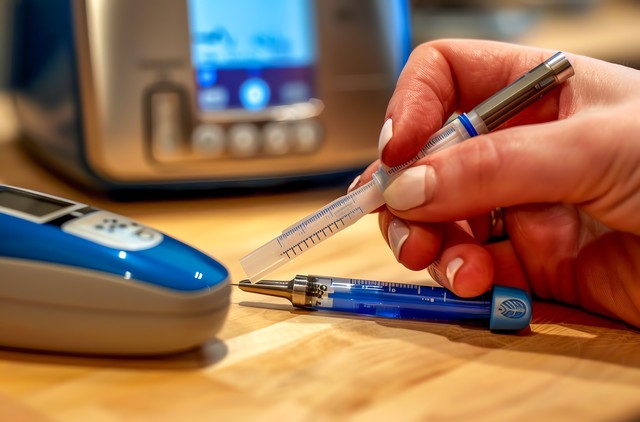
For example, for people with diabetes who commonly experience cold intolerance and soreness/weakness of the lower back and knees (manifestations of kidney yang deficiency) in winter, warming yang and tonifying the kidneys can be performed under a doctor's guidance. For diabetic peripheral neuropathy with symptoms like limb numbness and pain exacerbated by cold, internal administration of Chinese herbs combined with external washing can significantly improve local circulation and alleviate symptoms.
06 Special Note: Seek Medical Attention Promptly if These Signals Appear
At the end of the interview, Director Li Wei seriously reminds all people with diabetes: Winter is a season when various diabetes complications are prone to occur and have a high incidence. Health preservation focuses on prevention, but once the body shows the following "warning signals," do not take them lightly or delay. Seek medical attention immediately.
- Signals of Blood Glucose "Loss of Control": At-home monitoring shows blood glucose levels consistently and significantly higher than the personal control target set by your doctor (e.g., fasting blood glucose >13.9 mmol/L) on multiple consecutive occasions, or frequent unexplained hypoglycemia that does not improve after self-adjustment of diet and exercise.
- Signs of Acute Complications ⚠️: Symptoms such as nausea, vomiting, abdominal pain, difficulty breathing, deep and labored breathing (Kussmaul respirations), breath smelling like rotten apples, accompanied by confusion, drowsiness, etc. These may be critical precursors to diabetic ketoacidosis or hyperosmolar hyperglycemic state. Call emergency services immediately.
- Cardiovascular and Cerebrovascular Warnings: Sudden sensations of chest tightness, chest pain, palpitations, shortness of breath, dizziness, blurred vision, or weakness in one limb, facial drooping, slurred speech. Low winter temperatures cause vasoconstriction, sharply increasing the risk of cardiovascular and cerebrovascular accidents. These symptoms require urgent attention.
- Dangerous Signs in the Feet: New ulcers, blisters, cuts, redness, swelling, warmth, or pus discharge on the feet, even if they are not painful (diabetic neuropathy may cause reduced pain sensation), must be examined by a doctor immediately. Poor foot circulation in winter means a small wound can rapidly worsen, leading to serious infection or even gangrene.
- Signs of Severe Infection: After contracting a cold, pneumonia, urinary tract infection, etc., symptoms are severe and difficult to recover from, accompanied by high fever, or causing a sharp, difficult-to-control rise in blood glucose.
Director Li Wei emphasizes that TCM speaks of "the superior physician treats disease before it arises," but "preventing deterioration of an existing disease" is equally crucial. In winter, the human body's "yang energy is stored internally," and reactions can sometimes be slower. People with diabetes and their families need to be more vigilant and observant. Timely professional medical intervention is the most important barrier to safeguarding health.