Can Eating Apples Really Lower Blood Sugar? The Truth and Proper Ways to Consume Explained at Once!
The saying "An apple a day keeps the doctor away" is familiar to everyone, but recently a new claim has been circulating in the diabetes community: "Eating apples can lower blood sugar for people with diabetes." Is this true? Let's explore the facts today!
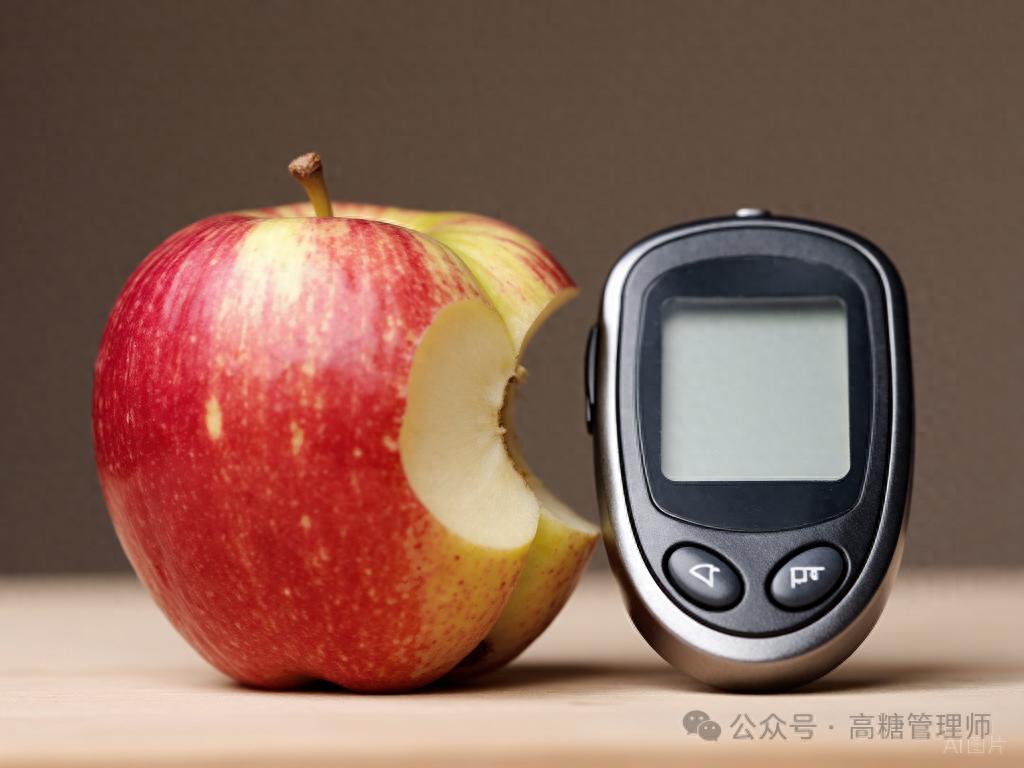
01 First, a Reality Check: Apples Do Not "Lower Blood Sugar" ❄️
Let's clarify a key concept first: No food can directly lower already elevated blood sugar levels.
Apples contain natural fructose and glucose, so eating them will inevitably cause a rise in blood sugar. The idea of "lowering blood sugar" is a well-intentioned misconception.
However— here's an important twist: Scientific research and the practical experience of many people with diabetes show that consuming apples correctly not only avoids sharp blood sugar spikes but can actually be beneficial for long-term blood sugar management! Does this sound contradictory? Let's unravel this puzzle.
02 The "Blood Sugar Control Code" of Apples: Why Are They Friendly for People with Diabetes?
1. Low Glycemic Index (GI Value)
The GI value of apples is approximately 36, classifying them as a low glycemic index food. This means they are digested and absorbed slowly, leading to a more gradual rise in blood sugar and avoiding a "rollercoaster" effect.
2. Rich in Soluble Fiber—Pectin
Pectin, abundant in apples especially in the skin, is their "blood sugar control secret weapon." Pectin forms a gel-like substance in the intestines, slowing down the absorption rate of sugars, effectively putting a "slow-motion button" on the blood sugar rise.
3. Abundant Antioxidants
Antioxidant components in apples, such as polyphenols and quercetin, help improve insulin sensitivity, aiding the body in utilizing blood sugar more effectively at the root level.
4. High Satiety
A medium-sized apple contains about 85% water and 4 grams of dietary fiber, providing a good feeling of fullness and helping control overall food intake.
03 The "Four-Step Rule" for People with Diabetes Eating Apples
Step One: Choose the Right Time ⏰
Best Time: Between Meals
- As a snack around 10 a.m. or 3-4 p.m.
- Avoid eating immediately after a meal (to prevent cumulative blood sugar spikes)
- Avoid eating on an empty stomach (especially in the morning)
Step Two: Control the Portion
Daily Recommendation: 1/2 to 1 medium-sized apple
- Approximately 100-150 grams of apple flesh
- If blood sugar control is unstable, start with 1/4 apple
- Record blood sugar levels before and after eating an apple to understand individual response
Step Three: Learn to Pair
Golden Combination: Apple + Protein/Healthy Fat
- Apple slices with a few nuts (walnuts, almonds)
- Apple chunks with a small cup of unsweetened yogurt
- Apple with a small amount of cheese
Such pairings can further slow down the rate of blood sugar rise.
Step Four: Correct Way to Eat
Eat with Skin > Peeled
- The skin contains 2-3 times more nutrients than the flesh
- Clean thoroughly: Soak in salt water for 10 minutes, then rinse under running water
Raw > Cooked - Heating can destroy some nutrients and increase the GI value
- If you must cook it due to dental issues, do not add sugar; you can pair it with cinnamon powder (which aids blood sugar control)
04 Special Attention: Be Cautious in These Situations! ⚠️
- Pause if Blood Sugar Targets Are Not Met
If fasting blood sugar is >7.0 mmol/L or postprandial blood sugar is >10.0 mmol/L, it is temporarily not recommended to eat fruit. First, stabilize blood sugar through medication and diet control. - Respect Individual Differences
Everyone's blood sugar response is different. Monitoring is essential! Measure blood sugar 2 hours after eating an apple. If the increase is >3 mmol/L, reduce the portion or adjust the timing. - Variety Selection Matters
- Prioritize: Crisp apples (e.g., Fuji), varieties with stronger sourness, as they generally have slightly lower sugar content
- Consume in Moderation: Very sweet and soft varieties (e.g., Red Delicious)
- Beware of "Apple Product" Traps
- Avoid Apple Juice: Fiber is removed, leaving mostly "sugar water," causing GI to soar
- Be Cautious with Dried Apples: Sugar is concentrated, making overconsumption easy
- Stay Away from Apple Pie, Apple Sauce (usually contains large amounts of added sugar)
05 Example of a Daily Diet with Apples ️
Breakfast (7:30): Whole wheat bread + Egg + Unsweetened soy milk
Snack (10:00): 1/2 Apple + 5 Almonds
Lunch (12:30): Mixed grain rice + Steamed fish + Plenty of vegetables
Snack (15:30): Unsweetened yogurt
Dinner (18:30): Tofu vegetable soup + Cold salad
Conclusion: Eat Apples Wisely for Steady Health
Apples are not a "treatment" for diabetes, but they can be a "good companion" on the journey of blood sugar control. The key lies in "the right amount, the right time, and smart pairing."
Seventeen years of experience managing diabetes tells me: There are no absolutely forbidden foods, only unwise ways of eating them. Learning to coexist harmoniously with food transforms diabetes management from ascetic restriction into a life art full of wisdom.
Starting today, if your blood sugar is well-controlled, why not try eating half an apple as a morning snack? Chew slowly and savor its refreshing sweetness and health benefits. Remember to monitor your blood sugar to find the way of eating that works best for you!