Choosing the Right Vegetables for Diabetes Helps Control Blood Sugar and Improves Heart Health: These Vegetables Are a Must-Eat
For individuals with diabetes, dietary management is the cornerstone of blood sugar control. Choosing the right vegetables not only helps stabilize post-meal blood glucose but also builds a robust health defense—protecting the cardiovascular system and replenishing easily deficient minerals.
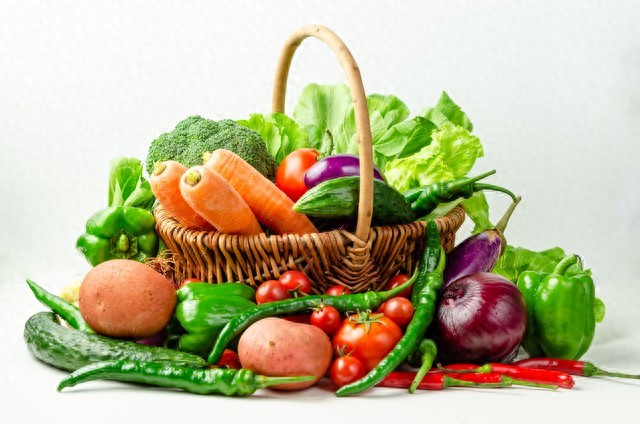
Today, we recommend several categories of "star vegetables for diabetes" and teach you how to combine them for a synergistic blood sugar control effect greater than the sum of its parts! ✨
The "Big Three" Leafy Greens
Spinach, Bok Choy, Water Spinach
They are the "ballast stones" of a diabetes-friendly dining table.
- Rich in Magnesium: Helps improve insulin sensitivity,堪称 "a natural blood sugar control nutrient".
- Lutein + Dietary Fiber: Aids in protecting vascular endothelium and slowing postprandial blood sugar rise.
- Serving Suggestion: Stir-fry quickly over high heat or blanch briefly to minimize nutrient loss. Stir-fry with minced garlic for both flavor and health benefits.
The Crispy "Hydration Squad"
Cucumber, Winter Melon, Zucchini
With extremely high water content and very low calories, they are excellent choices for blood sugar control and weight management.
- Malonic Acid: This substance helps inhibit the conversion of sugars into fat.
- High Potassium, Low Sodium: Assists in regulating blood pressure and reducing cardiovascular burden.
- Serving Suggestion: Cucumber can be eaten raw as a snack; winter melon is ideal for soups to increase satiety.
The Colorful "Antioxidant Guardians"
Tomato (cooked), Red Cabbage, Bell Pepper
Behind their rich colors lie powerful phytochemicals.
- Lycopene & Anthocyanins: Potent antioxidants that help protect blood vessels and reduce oxidative damage.
- Vitamin C: Boosts immunity and promotes iron absorption.
- Serving Suggestion: Cooking tomatoes facilitates lycopene release; red cabbage is best served cold or quickly stir-fried to retain its vibrant color and nutrients.
The Savory "Mushroom Family"
Shiitake Mushroom, Enoki Mushroom, Black Fungus
They are the "champions of nutrient density" among vegetables.
- Fungal Polysaccharides + Soluble Dietary Fiber: Positively contribute to stabilizing blood sugar and regulating blood lipids.
- Natural "Umami Enhancer": Adds rich flavor to dishes, reducing the need for salt.
- Serving Suggestion: Suitable for soups, stir-fries, or fillings. The filtered soaking water from dried shiitake mushrooms can be used in cooking for enhanced flavor.
The Powerhouse "Composite Nutrient Bank"
Broccoli, Cauliflower, Asparagus
With comprehensive nutritional value, they are the "main force" for improving meal quality.
- Chromium: Involved in sugar and lipid metabolism, it acts as a "cofactor" for insulin action.
- Sulforaphane: Particularly abundant in broccoli, research suggests potential anti-inflammatory and vascular protective effects.
- Serving Suggestion: Blanch and then serve cold or stir-fry lightly to maintain a crisp texture, avoiding overcooking.

Principles of "Golden Combinations" for Stable Blood Sugar
Even the best single food works better in synergy. Remember the following combination formulas to make blood sugar control more effective:
- "Fiber + Protein" Combo
- Example: Stir-fried Spinach + a few slices of chicken breast or tofu.
- ✅ Principle: The dietary fiber in vegetables slows sugar absorption, while protein provides lasting satiety, together flattening the blood glucose curve.
- "Colorful Mix" Combo
- Example: Stir-fried Bell Peppers with Black Fungus, paired with a small amount of broccoli.
- ✅ Principle: Vegetables of different colors provide various antioxidants and minerals, offering more comprehensive nutrition and enhanced vascular protection.
- "Quality Staple Companion" Combo
- Example: When eating brown rice, pair it with a serving of Garlic Broccoli and a serving of Winter Melon and Kelp Soup.
- ✅ Principle: An adequate amount of vegetables can lower the overall glycemic index (GI) of the meal, allowing the staple food to release energy more slowly.
Key Reminders
- Ensure Adequate Intake: It is recommended that individuals with diabetes consume over 500 grams of vegetables daily, with dark-colored vegetables making up half of that amount.
- Mind Cooking Methods: Prioritize cold salads, steaming, and quick stir-frying. Avoid deep-frying and prolonged stewing, which can lead to nutrient loss and excessive fat.
- Beware of "Pseudo-Vegetables": Root vegetables like potatoes, yam, taro, and lotus root are high in starch. They should be consumed as partial substitutes for staple foods like rice and noodles, not eaten in large quantities as regular vegetables.
- Monitor Individual Response: Although these vegetables are generally blood sugar-friendly, individual responses can vary. It is advisable to monitor postprandial blood glucose to find the types and portions that work best for you.

On the journey of blood sugar control, diet is your closest and most powerful ally. By skillfully incorporating these "treasure vegetables" into your three daily meals, you will not only manage your blood glucose better but also gain vibrant health from the inside out! Starting with your next meal, add more color to your plate!