On Winter Solstice, Diabetics Should Remember Three Key Points When Eating Dumplings or Glutinous Rice Balls to Keep Blood Sugar Stable!
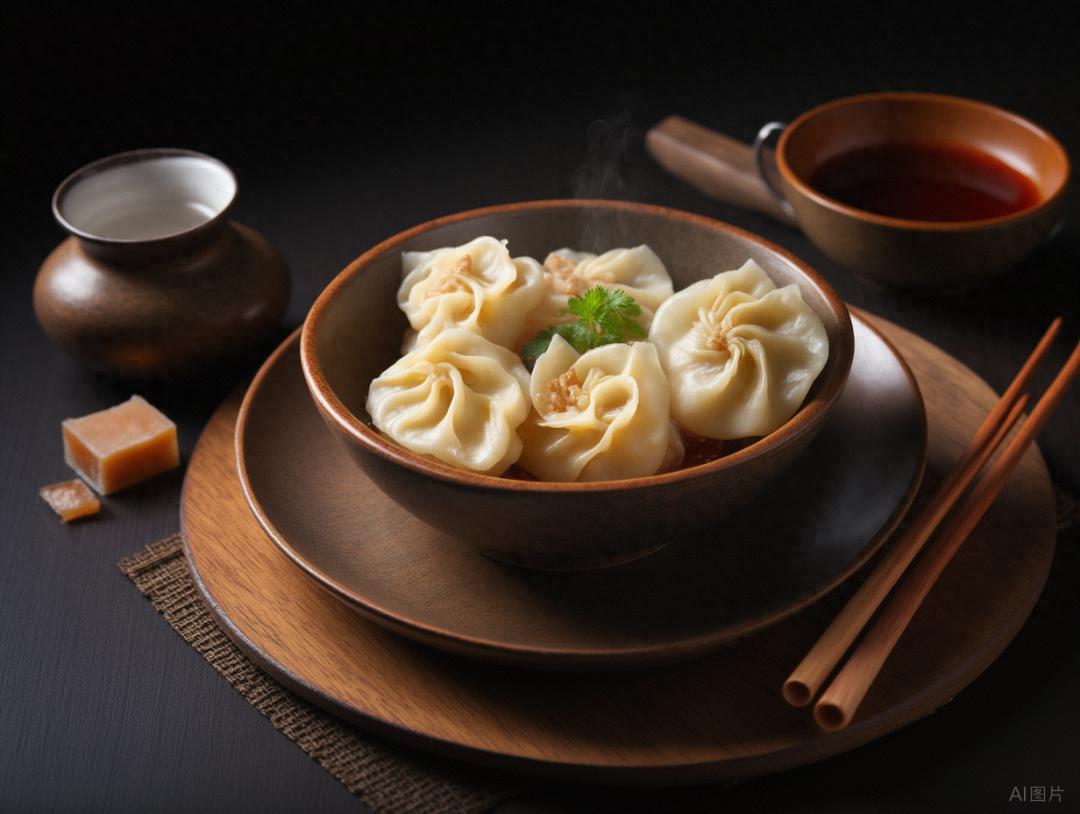
The Winter Solstice is as significant as the New Year. In the north, dumplings are enjoyed, while in the south, sweet rice balls are savored. Amidst the steaming aroma of reunion, are individuals with diabetes struggling between delicious food and health? Don’t worry! Master these "smart eating tips" to keep your blood sugar stable during the festivities! ✨
Blood Sugar Management First: The "Sweet Challenge" of the Holidays
Traditional sweet rice balls and dumplings may seem ordinary, but they hide "blood sugar-raising secrets":
- Sweet Rice Balls: Glutinous rice skin raises blood sugar quickly + sweet fillings high in disaccharides = blood sugar "roller coaster".
- Dumplings: Refined flour wrapper + high-fat meat filling = slow digestion but high total calories ⚡.
For Friends with Diabetes in the South: Enjoy Sweet Rice Balls This Way
Smart Choices
- Filling Selection:
- Top Recommendation: Savory rice balls (fresh meat, vegetable fillings).
- Acceptable Options: Low-sugar or sugar-free sesame/peanut rice balls (note fat content).
- Avoid: High-sugar, high-fat fillings like custard or chocolate.
- Size Matters:
- Choose small rice balls (3-4 pieces ≈ half a bowl of rice).
- Avoid "jumbo" rice balls (1 large rice ball ≈ the calories of 1 bowl of rice!).
Eating Techniques
- Transform into a Healthy Meal:
- Don't Eat Alone: Pair with 1 large bowl of leafy greens + an appropriate amount of protein (egg, tofu).
- Change Cooking Method: Use clear broth instead of sweet soup for boiling; add a small amount of greens or mushrooms for flavor.
- Control Portion and Timing:
- Portion: No more than 3-4 small rice balls.
- Timing: Consume as the staple food during a main meal, not as a snack.
- Order: Drink broth and eat vegetables first → then eat the rice balls.
For Friends with Diabetes in the North: Enjoy Dumplings This Way
Smart Choices
- Wrapper Upgrade:
- Preferred: Dumplings with whole wheat or multigrain wrappers.
- Traditional Wrappers: Control quantity (6-8 pieces is advisable).
- Filling Improvement:
- Vegetable-Based: Fillings like celery, cabbage, mushrooms (vegetable:meat ratio ≥ 2:1).
- Lean Meat First: Use chicken, shrimp instead of fatty meat.
- Less Oil and Salt: Avoid fried dumplings and juicy meat fillings.
Eating Techniques
- Perfect Pairing:
- Formula: 1 serving of dumplings (6-8 pieces) + 1 large serving of cold vegetable salad + 1 serving of light soup.
- Dipping Sauce: Use vinegar + minced garlic instead of high-salt soy sauce or chili oil.
- Eat in the Right Order:
- Soup → Vegetables → Protein → Dumplings.
- Chew slowly and thoroughly; each meal should last no less than 20 minutes.
Special "Winter Solstice Diet Prescription" for Individuals with Diabetes
Food Type |
Recommended Amount |
Equivalent To |
Notes |
Small Rice Balls |
3-4 pieces |
= Half bowl of rice |
Must reduce staple food in that meal |
Dumplings |
6-8 pieces |
= 1 bowl of rice |
Choose fillings with more vegetables |
Dipping Sauce |
Vinegar-based |
- |
Avoid sesame paste, sweet and sour sauce |
Remember These 3 Golden Rules
- Total Quantity Control is Paramount
- Dumplings/Rice balls are both staple foods; if eaten, reduce rice accordingly.
- Keep total daily staple food intake unchanged; it's just a "variety swap".
- Don't Forget Blood Sugar Monitoring
- Test before meals: Understand baseline levels.
- Test 2 hours after meals: Observe food impact.
- Record: What was eaten, how much, and blood sugar changes.
- Balance Activity for Better Health
- Half an hour after a meal: Get up and move for 15 minutes.
- Avoid sitting immediately after eating: Helps stabilize blood sugar.
Special Warm Reminders
- Be Wary of "Sugar-Free" Labels: Sugar-free ≠ calorie-free; glutinous rice skin still raises blood sugar quickly.
- Homemade is More Assuring: Making your own allows control over oil, salt, and sugar amounts.
- Stop Immediately if Uncomfortable: Symptoms like bloating or acid reflux may indicate difficulty digesting glutinous rice.
- Enjoy the Festive Atmosphere: Eating a little healthily and sharing the ritual with family is more important ❤️.
When Should You Be Cautious?
If the following occur:
- Postprandial blood sugar > 10.0 mmol/L
- Discomfort such as dizziness, thirst, frequent urination.
Monitor blood sugar immediately and consult a doctor if necessary!
Winter Solstice reunion, health undiminished. As long as friends with diabetes master the nine-character secret—"choose wisely, pair smartly, control total amount"—they can enjoy traditional delicacies while keeping blood sugar stable, celebrating a warm and worry-free solar term!
Friendly Reminder: Individual circumstances vary. If you have complications or unstable blood sugar control, please consult a doctor or nutritionist to develop a personalized plan. Wishing everyone a happy Winter Solstice and a healthy reunion!