A Weeklong Blood Glucose Monitoring Strategy for People with Diabetes: A Convenient and Accurate Golden Plan
Measuring blood glucose too often is troublesome, but measuring too infrequently leaves you uneasy? This is a common worry for many people with diabetes! Today I’m sharing a scientific and convenient blood glucose monitoring plan to make your glucose control journey easier and more effective.
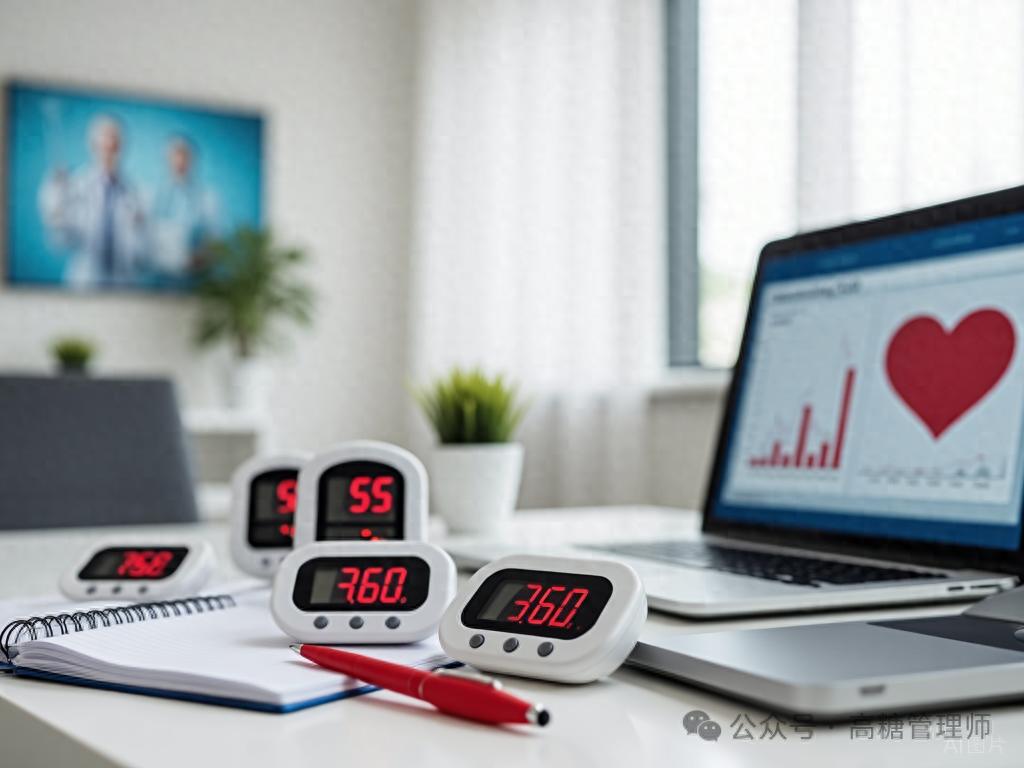
1. The Golden Weekly Monitoring Plan: Uncomplicated and Comprehensive
Basic Monitoring Plan (suitable for periods of stable blood glucose)
Day of the week
Recommended monitoring time points
Monitoring focus
Monday
Fasting + 2 hours after breakfast
Assess starting status for the week
Tuesday
Before dinner + 2 hours after dinner
Understand dinner effects
Wednesday
Pre-sleep blood glucose
Preventing Nocturnal Hypoglycemia
Thursday
Fasting + 2 hours after lunch
Assess the impact of lunch
Friday
Random timepoints
Spot-check blood glucose at any period
Weekend
Optional 1–2 checks
Monitor effects of changes in routine
Enhanced Monitoring Plan (suitable for adjustment periods and unstable phases)
4–7 times daily: fasting + 2 hours after each meal + bedtime/3:00 AM when necessary
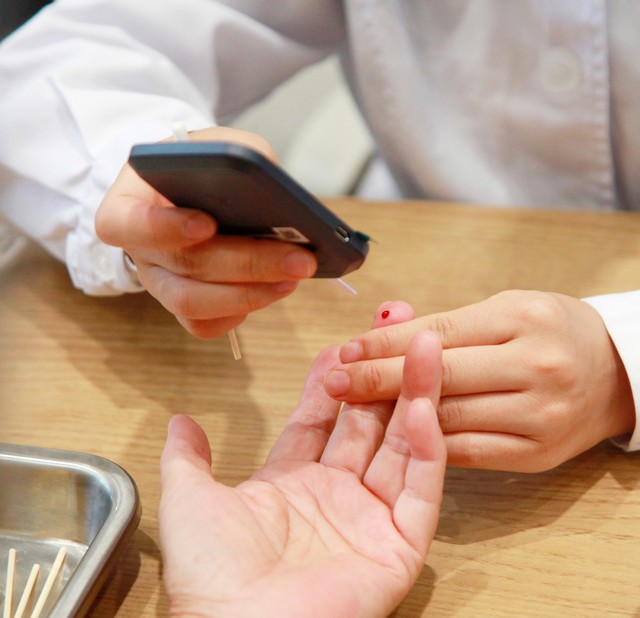
Duration: consecutive 3–7 days, used when physicians adjust the treatment regimen
2. Fasting vs. Postprandial: Arrange these two key points this way ⏰
Fasting blood glucose
Measurement time: Immediately upon waking in the morning (delaying will allow blood glucose to rise naturally)
Precautions: At least 8–10 hours fasting; take usual medications the night before
Target value: Generally controlled between 4.4–7.0 mmol/L (individualized targets per physician’s instructions)
Postprandial blood glucose
When does the “2 hours” start: Count from the first bite of food
Measurement significance: reflects the match between diet and medication
Target value: generally <10.0 mmol/L (individualize based on age, disease course, etc.)
Tip: record what and how much was eaten to identify the “culprit” causing glucose elevation
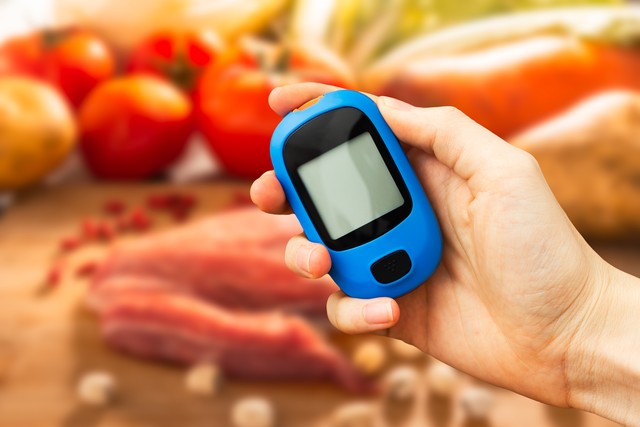
3. Time-saving tips: make monitoring easier ✨
1. Rotational monitoring method
Don’t always prick the same finger! Follow the principle of “alternate left and right hands, rotate along the lateral sides of each finger” to reduce pain and callus formation.
2. Smart reminders
Set a fixed alarm ⏰ on your phone to remind you of monitoring times; once it becomes a habit, you're less likely to forget.
3. Record multiple readings at once
Record immediately in your phone memo or a dedicated notebook when measuring:
Blood glucose value + dietary intake + medication status + exercise status
4. Regular lifestyle
Keep meal times, exercise times, and medication times relatively consistent; blood glucose will be more stable and monitoring more regular.
4. These key time points are recommended for monitoring
Mandatory testing times
During medication adjustments: increase monitoring frequency
When feeling unwell: palpitations, sweating, dizziness—measure immediately
After dietary changes: after trying new foods or dining gatherings
Before and after exercise: especially with more intense or prolonged activity
During illness: stress states such as colds, fever, etc
Optional but important moments
3:00 AM: when nocturnal hypoglycemia or the dawn phenomenon is suspected
Before long-distance driving: ensure safe driving
5. Common pitfalls and misconceptions to avoid ⚠️
❌
❌ Misconception 1: Only measure fasting glucose, not postprandial
✅
✅ Reality: Postprandial hyperglycemia is more common among Chinese people; both are equally important!
❌ Misconception 2: Only test when you feel unwell
✅ Reality: Mild hyper-/hypoglycemia may be asymptomatic; regular monitoring is the only way to detect it
❌ Misconception 3: Deliberately eating less or exercising before testing
✅ Truth: This does not reflect true control and you should maintain a normal routine
❌ Misconception 4: Continuing to use expired test strips
✅ Truth: Expired strips give inaccurate results, waste blood, and can mislead treatment
6. Make efficient use of monitoring results: not just record, but analyze
Spend 10 minutes once a week to analyze:
Identify patterns: which foods tend to raise glucose? At what times is it prone to be low?
Detect problems: are there recurring periods of frequent high or low readings?
Adjusting Actions: Modify diet, exercise, or seek medical consultation based on patterns
Preparing for Appointments: Bring your pattern records to the doctor for more efficient communication
7. Monitoring Priorities for Special Populations
Elderly Patients: Focus on preventing hypoglycemia; bedtime monitoring is particularly important
Pregnant women: Gestational diabetes requires more intensive monitoring (follow physician’s orders)
Younger patients: Pay attention to postprandial glucose and the impact of lifestyle
Patients with complications: For example, those with concomitant cardiovascular disease require more detailed monitoring
:
Important reminder:
Monitoring blood glucose is not about “grading” yourself, but about better understanding your body and guiding treatment. Don’t become overly anxious over a single unfavorable value; focus on long-term trends.
Blood glucose records are your “common language” with your doctor and the “scientific basis” for adjusting treatment plans. Save this article or share it with diabetic friends who need it!
On the road to glycemic control, scientific monitoring is your navigator and regular recording is your odometer. Persist patiently—every step counts!