Having diabetes? These 7 free blood sugar control methods are extremely practical!
After discovering elevated blood glucose, many diabetics' first reaction is "what medicine should I take," yet they overlook these simple, effective, and completely free glucose-control tricks around them! Today we reveal 7 scientific methods that can help lower blood glucose without spending a penny.
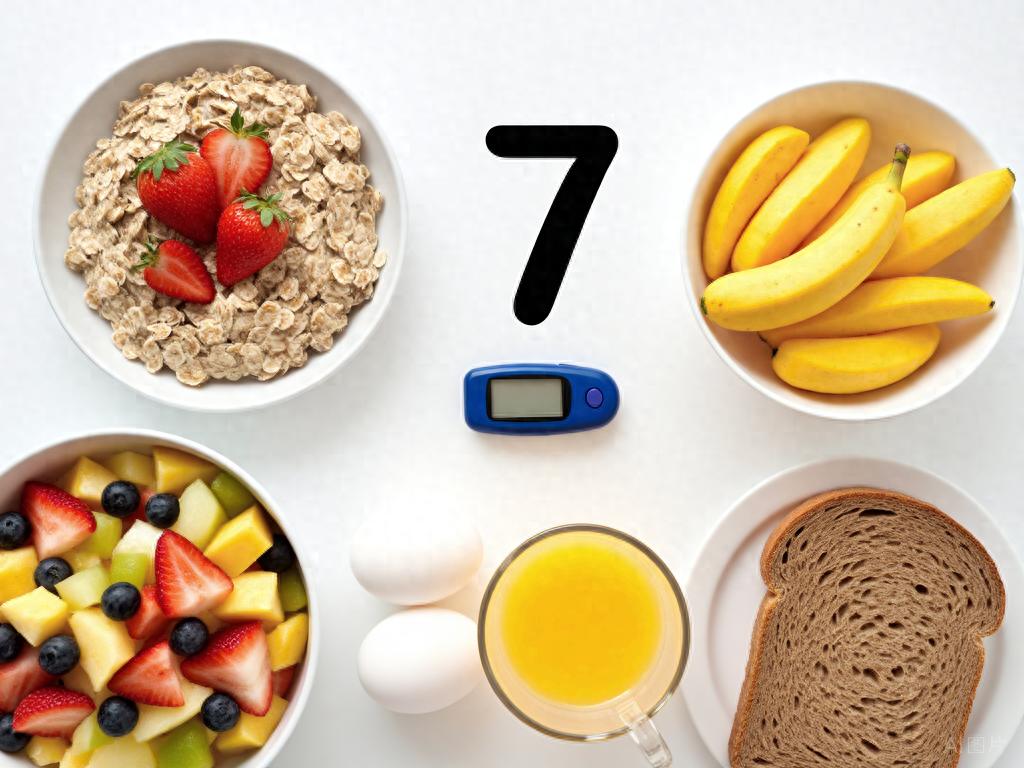
1. Seven free “treasures” for blood sugar control you can do every day
2. Morning sun walking
Walk in the sunlight for 15–20 minutes, 30 minutes after breakfast every day. Sunlight aids vitamin D synthesis, and moderate walking can directly reduce postprandial blood glucose peaks.
3. Timed drinking method
Drink 1.5–2 liters of water daily, divided into 8–10 intakes. Special reminder: drinking a glass of water half an hour before a meal can reduce food intake and stabilize blood glucose.
3. ♀️ Deep breathing stress-reduction technique
Increased stress directly causes blood glucose fluctuations! Perform deep diaphragmatic breathing three times a day for 5 minutes each time (inhale 4 seconds, hold 2 seconds, exhale 6 seconds) — simple but effective.
4. Regular sleep schedule
Three consecutive days with less than 6 hours of sleep can reduce insulin sensitivity by 25%! Keep a fixed sleep schedule and ensure 7–8 hours of sleep per night — a free hypoglycemic measure.
5. Adjusting meal sequence
With the same meal, changing the eating order can stabilize blood glucose: drink soup first → eat vegetables next → then eat protein (meat/tofu products) → eat staple food last. This small adjustment can reduce postprandial glucose peaks by 30%!
6. ♂️ Fragmented exercise
Research shows that getting up and moving for 3–5 minutes every 30 minutes is better for blood glucose control than doing a single exercise session after prolonged sitting. Set an alarm to get up and move regularly!
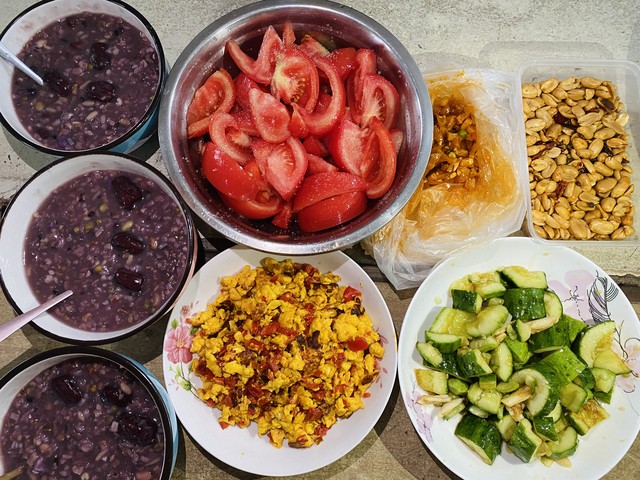
7. Habit of recording blood glucose
You don't need expensive equipment; a simple paper notebook can help: record blood glucose values, dietary intake, physical activity, and how you feel, and identify your personal blood glucose patterns.
2. Beware of the "zero-cost" trap: these "free methods" are inadvisable! ⚠️
Although the above methods are truly free and effective, some so‑called “no‑cost blood‑sugar lowering methods” are dangerous traps:
❌
❌ “Stopping medication therapy”: believing that “stopping medication can restore islet function” and discontinuing drugs on one’s own
❌ “Extreme dieting”: eating only a very small amount each day, causing malnutrition and hypoglycemia
❌ “Home remedies as substitutes”: completely replacing standard treatment with herbs of unknown composition
❌ "Excessive exercise": disregarding physical condition and blindly pursuing high-intensity workouts
3. Scientific treatment is the foundation: why free methods cannot replace formal treatment?
。
Remember this core principle: lifestyle modifications are "adjunctive," medical treatment is the "foundation."
Your body may need:
Medication help: When insulin secretion is insufficient or insulin resistance is severe, medication is necessary support
Regular monitoring: Glucometers and routine examinations are the "eyes" for understanding the condition
⚕️
⚕️ Professional guidance: Doctors develop personalized plans based on your specific situation
A harsh fact:
If diabetes is not treated scientifically, even if blood glucose temporarily decreases, the risk of complications will not be reduced. Retinopathy, nephropathy, nerve damage, cardiovascular and cerebrovascular diseases... these are the truly frightening aspects of diabetes.
4. Smart Combination: Free Methods + Scientific Treatment = Optimal Blood Glucose Control
Free methods
Combined with scientific treatment
Effect multiplied
Walk after meals + take medication on time
Avoid large blood glucose fluctuations
Protect blood vessels
Adequate hydration + regular follow-up
Promote drug metabolism, monitor renal function
Prevent complications
Stress management + standardized medication use
Reduce stress-induced hyperglycemia
Stable blood glucose control
5. A sincere message to people with diabetes ❤️
On the path of glucose control, of course we should look for simple and effective methods, but we must never put the cart before the horse.
Free dietary adjustments, moderate exercise, and good sleep habits are the “accelerators” for blood sugar control
Standard drug therapy, regular monitoring, and physician follow-up are the “steering wheel” for blood sugar control
Without a steering wheel, accelerating will only veer off course; without an accelerator, progress will be slow and difficult. Only by combining the two can you safely reach the destination of health.
Important reminder: The free methods provided in this article are adjunctive measures and cannot replace formal medical care. If you are newly diagnosed with diabetes, be sure to first see the endocrinology department at a reputable hospital; if you are already receiving treatment, consult your treating physician before changing any lifestyle habits.
Blood sugar control is a lifelong task, but scientific methods can make this journey steadier and better. Do you have any practical tips for controlling blood sugar? Feel free to share them in the comments!