Treating Diabetes: Traditional Chinese Medicine or Western Medicine — Let’s Clarify Today!
Faced with the “sweet burden” of diabetes, many patients struggle with the choice: should they opt for traditional Chinese medicine or modern Western medical approaches? Today, we will take an in-depth look at this topic.

Western Medicine Treatment: The Modern Choice for Precise Control
Advantages and Features:
Rapid glucose reduction: Oral medications and insulin can quickly lower blood glucose, preventing acute complications
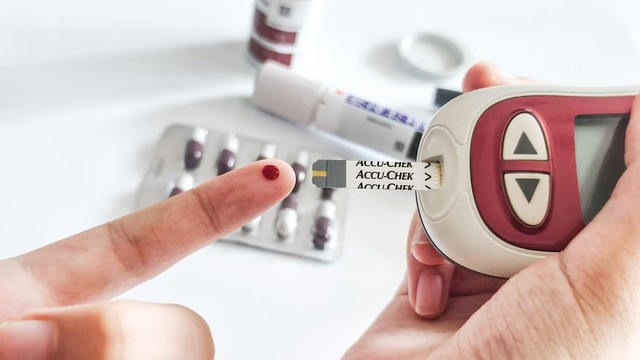
Clear indicators: Blood glucose monitoring data are intuitive, facilitating adjustment of treatment plans
Standardized treatment: There are clear diagnostic and treatment guidelines and standardized procedures
Emergency management: Mature treatment protocols exist for acute conditions such as diabetic ketoacidosis
Common methods:
Insulin injection
Oral hypoglycemic agents (such as metformin, glimepiride, etc.)
Regular blood glucose monitoring
Glycated hemoglobin (HbA1c) testing every three months to assess treatment efficacy

Traditional Chinese Medicine treatment: the inherited wisdom of holistic conditioning
Advantages and characteristics:
Holistic concept: not only focusing on blood glucose numbers, but placing greater emphasis on whole-body balance
Individualized plans: treating according to constitution and pattern differentiation, one prescription per person
Symptom improvement: significant improvement in diabetes-related fatigue, thirst, limb numbness, and other symptoms
Prevention of complications: reducing the occurrence of complications by regulating qi, blood, yin, and yang
Traditional Chinese medicine regulation (e.g., Astragalus membranaceus, Chinese yam, Rehmannia glutinosa, etc.)
Acupuncture therapy
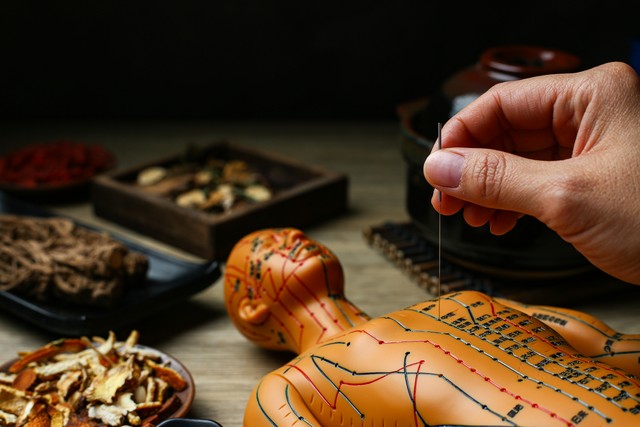
Tui na massage
Dietary therapy for health maintenance
Integration of Chinese and Western medicine: 1+1>2 optimal approach
:
An increasing amount of clinical practice shows that integrated Chinese and Western medicine treatment for diabetes often achieves the best results:
✅
✅ Acute phase primarily Western: when blood glucose rises sharply, use Western medicine to rapidly control it
✅ Combined TCM and Western medicine during the stable phase: on the basis of stable blood glucose, add Chinese herbal medicine to improve symptoms and regulate constitution
✅ Prevention of complications: TCM methods have unique advantages in preventing and treating neurological complications, nephropathy, and other complications
✅ Lifestyle: combine TCM dietary therapy and Western nutritional science to formulate a personalized diet plan
Practical advice: How to make the choice that suits you?
New patients: It is recommended to first go to the endocrinology department for a comprehensive examination to determine the diabetes type and severity
Poor glycemic control: On the basis of Western medical treatment, you may seek assistance from a licensed TCM practitioner for supportive management
Complications present: Consider integrated Chinese and Western medical treatment to combine strengths and compensate for weaknesses
Lifestyle interventions: Regardless of the treatment chosen, a healthy diet and appropriate exercise are foundational
Important Reminder ⚠️
Reject folk remedies: Do not trust folk cures or secret recipes that claim to "cure diabetes"
Seek proper medical care: Choose a qualified TCM or Western medicine hospital
Continuous monitoring: Regardless of the treatment used, regular blood glucose monitoring is essential
Doctor-patient communication: communicate fully with your physician and jointly formulate a treatment plan
Treatment for diabetes is not an either-or multiple-choice question, but a question of how to optimize combinations. The most suitable treatment plan for you should be personalized, scientific, and sustainable.
Whether it is TCM’s “path of balance” or Western medicine’s “precise control,” the ultimate goal is to help us better coexist with diabetes and enjoy a healthy, high-quality life.
Kind reminder: This article is for reference only. Please consult a professional physician for specific treatment plans and devise them according to individual circumstances. Diabetes management requires patience and persistence—let us face it scientifically and live healthily!