Does high blood sugar make it easier to have insomnia? Revealing the relationship between blood sugar and sleep!
Tossing and turning late at night, counting countless sheep while blood glucose quietly rises in the dark — this is not only a bodily alarm but the beginning of a vicious cycle between sleep and blood glucose.
。
In the bedroom late at night, Ms. Li opened her eyes once again. It was already the third time this week she had woken at 3 a.m., staring at the ceiling unable to fall back asleep. What she did not know was that the high numbers on her glucometer were quietly linked to her poor sleep quality.
Situations like Ms. Li’s are not uncommon. Many people have experienced this: after insufficient sleep, they particularly crave sweets the next day; and when blood glucose is unstable, it is difficult to obtain restful sleep.
01 Mutual influence: the start of a vicious cycle
The relationship between blood glucose and sleep is far closer than we imagine. In fact, they form a bidirectional loop of influence, and hyperglycemia is undoubtedly one of the important initiators of this cycle.
Studies show that the prevalence of insomnia among patients with diabetes is as high as 39–55%, far higher than in the general population. This means that nearly half of those with poor glycemic control are experiencing sleep disturbances.
When blood glucose is too high, the body attempts to excrete the excess sugar through the urine, which directly leads to frequent nighttime urination and interrupts valuable deep sleep. At the same time, the thirst caused by hyperglycemia can also cause people to wake up at night to drink water.
02 How high blood sugar steals sleep
High blood glucose affects sleep in multiple ways; it is not simply a matter of “feeling uncomfortable.” Chronic hyperglycemia can cause neuropathy, potentially leading to numbness, pain, or discomfort in the limbs—symptoms that are particularly noticeable during the quiet of night.
In addition, autonomic dysfunction can also arise, manifesting as sweating, palpitations, and other uncomfortable symptoms that further disturb sleep. The incidence of sleep apnea syndrome is also significantly increased in patients with diabetes, which directly affects nocturnal oxygen supply and sleep quality.
Do not ignore psychological factors. The anxiety and stress caused by poor glycemic control can likewise become a heavy burden on the mind, making it difficult to fall asleep peacefully. Studies show that a hyperglycemic state leads the body to secrete more stress hormones, such as cortisol, which keep a person in a state of alertness and make it hard to relax into sleep.
03 How lack of sleep raises blood sugar
Conversely, insufficient or poor-quality sleep can also negatively impact blood glucose. Sleep deprivation disrupts hormonal balance in the body, leading to elevated cortisol levels, a hormone that raises blood glucose.
At the same time, the secretion rhythm of growth hormone can also be disrupted, further affecting glucose stability. Worse still, sleep deprivation increases appetite, particularly cravings for high-carbohydrate foods, making dietary control more difficult.
Lack of sleep also directly affects insulin sensitivity, weakening the body's response to insulin and making blood glucose harder to control. Even just a few consecutive nights of insufficient sleep is enough to noticeably reduce insulin sensitivity.
Studies have found that people who sleep less than 6 hours per night have significantly higher fasting glucose and glycated hemoglobin levels than those who get adequate sleep. This mutually reinforcing vicious cycle causes blood glucose and sleep problems to exacerbate each other, making it difficult to break.
04 Break the cycle, regain restful sleep and stable blood glucose
Once we recognize this bidirectional relationship between blood glucose and sleep, we can take targeted measures to break this vicious cycle.
First, optimize dietary composition. Controlling carbohydrate intake and choosing low glycemic index foods helps avoid large blood glucose fluctuations before bedtime. Avoid eating 2–3 hours before sleep, especially high-sugar foods, to reduce nighttime blood glucose variability.
Second, maintain regular exercise. Moderate aerobic exercise, such as walking, swimming, or cycling, helps improve insulin sensitivity and sleep quality. However, avoid vigorous exercise close to bedtime so as not to interfere with falling asleep.
Monitoring pre-sleep blood glucose is also an important measure. Understanding your own blood glucose patterns helps determine whether evening diet or medication regimens need adjustment. Keeping a regular sleep-wake schedule, even on weekends, can help regulate the biological clock and improve sleep quality.
If sleep apnea is suspected, seek timely medical evaluation and treatment. People with poor glycemic control who also have sleep problems should consult a physician, as adjustments to glucose-lowering medication regimens may be necessary.
6.2mmol/L
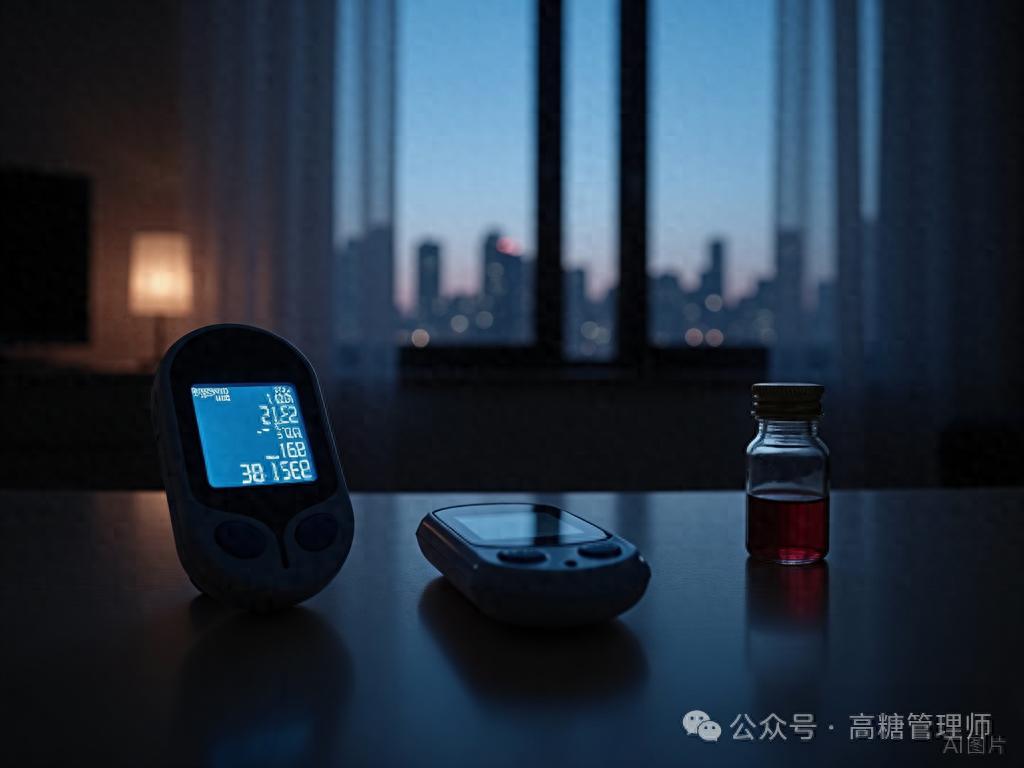
Late at night, as the city's clamor gradually fades, a middle-aged man who once suffered from insomnia and blood glucose problems quietly prepares to sleep. The glucometer on the bedside table shows an ideal number—6.2 mmol/L.
He adjusts his sleeping position, no longer troubled by frequent nighttime awakenings, nor by limb numbness. After stabilizing his blood glucose, his sleep quality has noticeably improved.