If a diabetic patient develops any of these five conditions, it indicates more severe disease and requires prompt action!
Many diabetic patients fall into a cognitive misconception: as long as the number on the blood glucose meter “looks okay,” the condition is not serious. Director Ren Shuhong pointed out that this is a dangerous misconception.
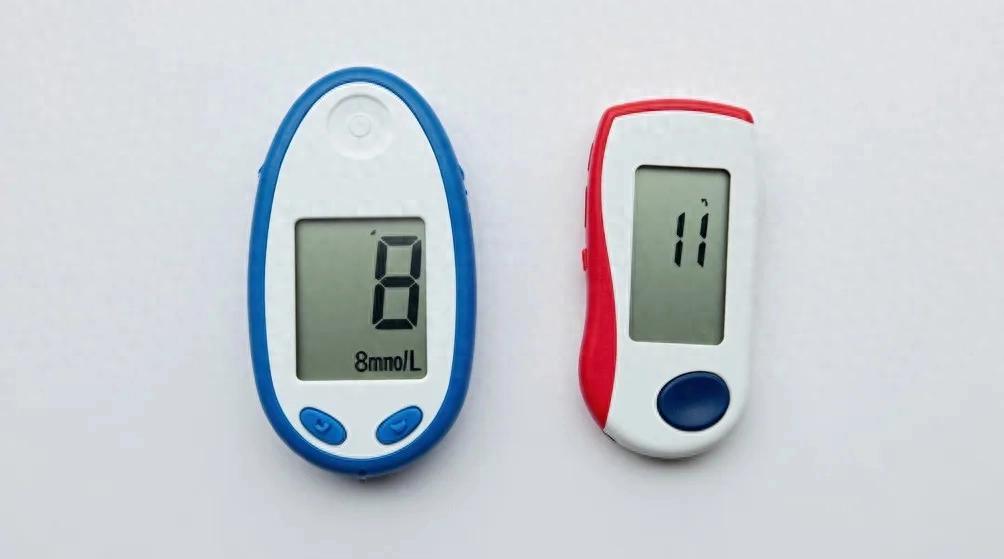
The severity of diabetes is a comprehensive assessment; relying on a single indicator can easily underestimate risk and delay treatment. Today Director Ren Shuhong will explain several points in the hope of helping diabetic patients with health management:
Five Key Warning Signs of Worsening Disease
1. Type of diabetes is fundamental
The pathological natures of type 1 and type 2 diabetes differ, and so do their severity and management challenges.
Type 1 diabetes is an autoimmune disease in which patients’ islet function is almost completely lost; lifelong dependence on insulin is required, and the condition is typically more acute and severe. Although type 2 diabetes has a more insidious onset, if poorly controlled over the long term, the vascular and neural damage it causes can likewise lead to serious consequences.
2. Blood glucose loss of control is the core alarm
Dr. Ren Shuhong emphasizes that the severity of blood glucose cannot be judged by a single reading. Medicine often refers to fasting blood glucose ranges for rough classification:
:7.0-8.4 mmol/L
Mild: 7.0–8.4 mmol/L
:8.4-10.1 mmol/L
Moderate: 8.4–10.1 mmol/L
:大于10.1 mmol/L
Severe: greater than 10.1 mmol/L
Even more dangerous than a single high value is blood glucose that fluctuates wildly like a "roller coaster," or remains elevated for prolonged periods. This condition will continuously damage both the body's microvasculature and macrovessels.
3. The appearance of complications is a clear red light
When diabetes begins to damage other organs, it means the disease has entered a new stage.
Neuropathy: numbness, tingling, and decreased sensation in the hands and feet.
Retinopathy: blurred vision and floating dark spots.
Nephropathy: abnormal fatigue, swelling of the eyelids or lower limbs, and increased foaming of the urine.
Once complications appear, they are often difficult to reverse, and treatment will focus on slowing their progression and preserving remaining function.
4. Skin changes are an external signal
In some patients, gray-brown, velvety thickened plaques appear in skin folds such as the neck and armpits; medically this is called "acanthosis nigricans."
Dr. Ren Shuhong explains that this is not an ordinary skin disease but a sign of severe insulin resistance in the body, indicating that metabolic disturbance is already quite serious.
5. Recurrence of the "three polydipsia and polyphagia, one oliguria" symptoms
If a patient already diagnosed again develops pronounced polydipsia, polyuria, polyphagia, and weight loss, this is a very clear signal: the current treatment regimen is insufficient to control the disease, and energy loss from hyperglycemia is worsening; treatment must be adjusted immediately.
When the condition worsens, respond scientifically in four steps
Director Ren Shuhong emphasizes that when the above danger signs appear, patients should not panic but should respond systematically and scientifically.
Step 1: Seek immediate medical attention and adjust the regimen
Do not adjust medications on your own. Contact your attending physician as soon as possible for a comprehensive evaluation; you may need to adjust oral medications or initiate/intensify insulin therapy. Strict adherence to medical orders is the premise of safety.
Step 2: Intensify lifestyle interventions
Diet: More refined carbohydrate management is required, adopting a low glycemic index diet, increasing vegetables and high-quality protein, and practicing smaller, more frequent meals.
Exercise: If physical conditions permit, maintain regular exercise, such as at least 150 minutes per week of moderate-intensity aerobic activity (brisk walking, cycling), combined with 2–3 sessions per week of resistance training (e.g., dumbbell or resistance-band exercises); this is crucial for improving insulin sensitivity.
Step 3: Regular screening to prevent problems before they occur
。
Establish and strictly implement an annual complication screening program, including fundus examinations, urine microalbumin/renal function, neuropathy assessments, and cardiovascular risk evaluation. Early detection and early intervention are key to avoiding severe complications.
Step 4: Attend to mental health and seek support
Long-term management of illness can cause psychological stress. Actively seeking understanding from family, joining formal patient support groups, or obtaining necessary psychological counseling can help maintain a positive mindset and improve treatment adherence.
Coexisting with diabetes, managing it optimistically
Director Ren Shuhong stated that although diabetes cannot currently be completely cured, it is entirely preventable and controllable. It is more like a "partner" that requires long-term rational communication and management.
The real risks come from neglect, delay, and misconceptions about the disease. When the body issues any of the five above alarms, they must be taken very seriously, but there is no need to despair.
Modern medicine provides abundant management tools; through close doctor–patient cooperation and comprehensive management, the vast majority of patients can keep the condition stable and enjoy a high quality of life.