When blood sugar quietly rises in a person with diabetes, where does the body first “sound the alarm”?
Waking up in the morning not feeling refreshed but with a dry mouth and parched tongue, as if you hadn't drunk all night; occasional blurred vision, as if there's a frosted glass between you and the world... these inadvertent small signals may be the body's earliest " cries for help."
。
When blood glucose begins to quietly rise, the body does not remain silent but activates a sophisticated multilayered alarm system.
Some sentinels in this system are "silently monitoring," while others emit signals we can clearly perceive. Understanding the sequence and meaning of these alerts is crucial for early detection of abnormal blood glucose.
01 The invisible sentinels: the internal systems that perceive it first
In fact, the parts of the body that first sense rising blood glucose are not the organs we typically directly feel, but two precise and silent monitoring systems: vascular endothelial cells and specific neurons in the hypothalamus.
Vascular endothelial cells are the cells of the innermost layer of blood vessels, directly bathed in the blood. When blood glucose concentration rises, they are the first to be affected.
A high-glucose environment triggers a series of biochemical reactions known as “glucotoxicity,” but this process is slow and insidious; in the early stages it does not cause pain or discomfort, yet it quietly lays the groundwork for future vascular complications.
At the same time, the brain’s “high-level command center” — the hypothalamus — also receives signals of changes in blood composition via its glucose-sensing neurons.
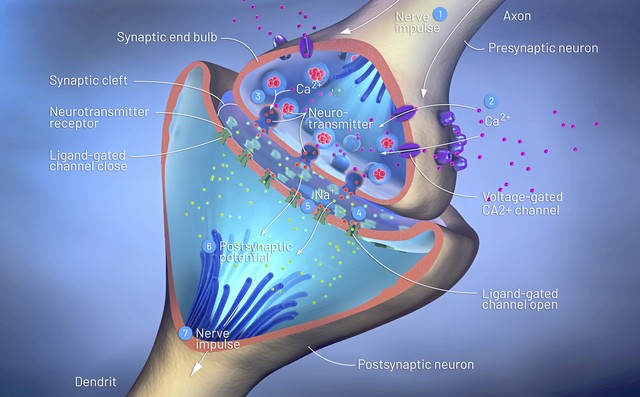
It initiates early regulatory mechanisms, attempting to balance blood glucose through neural and hormonal pathways (for example by affecting insulin secretion or hepatic glucose output). During this stage, the body may still be in a “compensated” state, and external sensations are not obvious.
02 The body’s clear alarms: the early signs most easily noticed
When blood glucose remains elevated beyond the body's capacity for silent regulation, a series of clear, perceptible symptoms will appear in sequence. Among them, sensations in the following three areas are the most common and prominent:
Thirst center and oral cavity (dry mouth and tongue): This is the most classic and often first-noted signal. When blood glucose exceeds the kidney's glucose reabsorption "renal threshold" (typically about 10 mmol/L), excess glucose is excreted in the urine.
This process produces an "osmotic diuresis" effect, removing large amounts of water and causing body dehydration. The brain's thirst center is strongly activated, causing persistent, hard-to-relieve thirst that is not alleviated even by drinking large quantities of water.
Urinary system (polyuria, frequent nocturia): Closely linked with thirst. Osmotic diuresis leads to a significant increase in urine volume, increased daytime urination frequency, and often needing to get up to urinate more than twice at night, severely affecting sleep.
This polyuria is characterized by large urine volume, urine foam that may increase and is slow to dissipate (due to sugar content).

All body cells, especially muscle and brain (fatigue, weakness, lack of energy): although blood glucose is high, insulin action is insufficient or inefficient, causing glucose to be unable to enter cells (particularly muscle cells) smoothly to be converted into energy.
Cells are in a state of "energy famine," while the blood is "overflowing with sugar." This contradiction directly leads patients to feel unexplained fatigue, weakness, and lethargy, which are difficult to resolve even after rest.
03 Other early sensory windows
In addition to the core signals described above, there are some sensory changes that also warrant attention:
Eyes (blurred vision): When blood glucose rises sharply, it alters the osmotic balance of the aqueous humor and the lens, causing temporary swelling of the lens and changes in refractive power. Patients may experience fluctuations in vision and blurred sight, especially noticeable upon waking in the morning.
This blurriness is usually temporary and improves as blood glucose stabilizes, but it can also herald early changes of cataracts or retinopathy and is a warning that must be taken seriously.
Skin (dryness, itching, susceptibility to infection): A high-glucose environment favors bacterial and fungal growth, while chronic dehydration leads to dry skin. Patients may experience unexplained itching, especially on the anterior lower legs, and small wounds heal markedly more slowly and are prone to recurrent infections.
To help you more clearly recognize them, the following summarizes these early symptoms and their underlying physiological causes:
04 Dangerous Special Alerts: Signs That Require Immediate Medical Attention
:
If early signals are ignored and blood glucose continues to surge, it may develop into acute complications such as diabetic ketoacidosis or hyperosmolar states. At this point the body will send out extremely dangerous alerts:
Respiratory: Exhaled air has a rotten apple smell (acetone odor).
Digestive system: Nausea, vomiting, abdominal pain.
Consciousness: clouded consciousness, somnolence, coma.
Whole body: extreme thirst; urine output may decrease in later stages.
The presence of any of the above indicates a critical situation and requires immediate medical attention.
The body is the most exquisite instrument; fluctuations in blood glucose are always keenly detected by it. When the earliest signals—thirst, polyuria, fatigue—appear, listen to them and take them seriously.
These alarms are not a nuisance but the body buying us the golden time for intervention and reversal. Timely blood glucose testing, consulting a specialist physician, and responding to the body’s call with scientifically based diet, exercise, and necessary lifestyle adjustments are the wisest ways to protect your health.