If people with diabetes have these symptoms when they wake up in the morning, it’s a sign that blood glucose is elevated!
1️⃣
1️⃣ Dry mouth and parched tongue, constantly wanting to drink water
Even after a full night’s sleep, your mouth feels as dry as a desert and you keep wanting to drink water. This may be caused by high blood glucose, with the body attempting to eliminate excess sugar through increased urination, leading to dehydration.
2️⃣
2️⃣ Generalized weakness, as if not fully awake
Even after 8 hours of sleep, still feeling exhausted, dizzy, and weak in the morning — this may be due to high blood glucose, preventing cells from effectively using glucose for energy.
3️⃣
️
3️⃣ Blurred vision, as if viewed through a fog ️
Sudden morning blurring or double vision — don’t hurry to blame the eyes; this may be a temporary vision change caused by hyperglycemia-induced alterations in the osmotic pressure of the ocular lens.
4️⃣
4️⃣ Dry, itchy skin, especially on the back
High blood glucose can affect skin blood circulation and nerves, leading to dry, itchy skin, particularly on the back, arms, and other areas.
5️⃣
5️⃣ Intense hunger
Feeling unusually hungry right after waking up, even with palpitations and tremors, may be due to large nocturnal blood glucose fluctuations, resulting in “reactive hyperglycemia” in the morning.

6️⃣
6️⃣ Excessive foaming of urine
If you notice urine with fine, persistent foam that does not dissipate quickly, or urine with a distinct odor, it is advisable to pay attention to blood glucose status.
What should be done if these symptoms appear?
Don’t panic! We can start with daily life and make proactive adjustments to keep blood glucose steadily "under control":
Dietary adjustment is key
Balance staple foods: replace half of white rice with coarse grains such as brown rice, oats, or quinoa to slow glucose rise.
Eat more green vegetables: broccoli, spinach, cucumber, etc., which are rich in dietary fiber and can slow sugar absorption.
Ensure adequate protein: have a boiled egg for breakfast and a cup of unsweetened soy milk—filling and helps stabilize blood sugar.
Choose low-GI fruits: such as strawberries, blueberries, grapefruit; eat between meals, one small bowl each time is enough.
Exercise is the best "antidiabetic medication"
Walk after meals: take a 20–30 minute walk half an hour after eating to effectively reduce postprandial blood glucose spikes.
At least 150 minutes of exercise per week: brisk walking, light jogging, yoga, and tai chi are all good choices; the key is consistency!
Sleep and mood management are important
Regular schedule: try to go to bed before 11:00 PM and ensure 7–8 hours of sleep.
Relax and unwind: blood glucose fluctuates more under stress; try meditation, deep breathing, or taking up a small hobby.
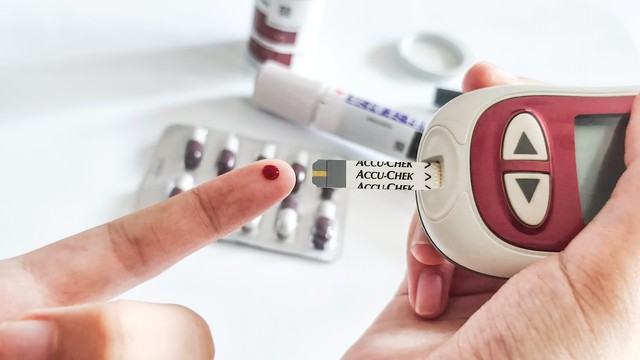
Regular monitoring keeps you informed
If you belong to a high‑risk group, it is recommended to regularly monitor fasting and postprandial blood glucose with a glucometer to promptly understand changes in your body.
❤️ Kind Reminder
Blood glucose management is a "long war" that requires patience and scientific methods. If symptoms persist or blood glucose is significantly elevated, be sure to seek medical attention promptly and develop a personalized plan under your physician’s guidance.
A healthy lifestyle is the best "prescription" for glucose control. From the first glass of water and the first bite of breakfast this morning, let us carefully care for our bodies and steadily enjoy well‑being!
✨ Interaction time
Have you had similar experiences? Or do you have any tips for blood sugar control? Feel free to share your story in the comments~ Let’s encourage each other!