People with diabetes shouldn't think in terms of absolute prohibitions or allowances; they need to know how to eat so they can eat anything and keep blood glucose better controlled
1. Dietary principle: remember the "three balances" ⚖️
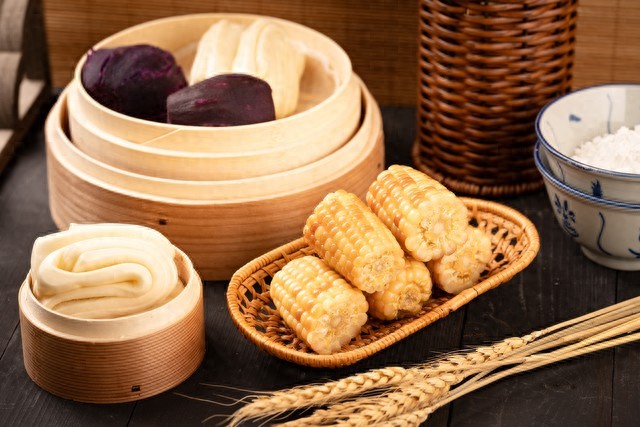
1️⃣ Balance between coarse and fine staple foods
✅
✅ Formula: Each meal's staple = 1/3 refined grains + 2/3 whole grains
✅ Whole grain choices: oats, brown rice, buckwheat, quinoa, corn
✅ Note: whole grains ≠ unlimited; total intake must still be controlled
2️⃣ Balance in nutritional pairing
✅ Meal structure: vegetables + protein + staple food
✅ Plate rule: 1/2 vegetables + 1/4 protein + 1/4 staple food
3️⃣ Balanced meal timing
✅ Regular meals: fixed times and portions, do not snack arbitrarily or skip meals
✅ Small frequent meals: three meals + two small snacks (mid-morning and afternoon snacks), for more stable blood glucose
2. Food selection "traffic lights"
Green light zone: eat with confidence, in appropriate amounts
Vegetables
Leafy greens: spinach, bok choy, lettuce (no limit)
Gourd and nightshade group: cucumber, tomato, winter melon, eggplant
Mushrooms and fungi: shiitake, enoki, wood ear mushrooms
Proteins
High-quality proteins: fish and shrimp, chicken (skinless), eggs, tofu
Dairy: unsweetened yogurt, plain milk (250 ml daily)

Staple foods
Low-GI staple foods: oatmeal, brown rice, whole wheat bread, buckwheat noodles
Tubers: sweet potato, Chinese yam (replace part of staple foods)
Yellow light zone: eat with control, pair wisely
Fruits
Low-sugar fruits: strawberries, blueberries, cherries, grapefruit, apples
Timing of consumption: between meals, when blood glucose is stable
Portion: about the size of a fist each time (approximately 150 g)
Nuts
Healthy choices: walnuts, almonds, cashews (unsalted/plain)
Portion: a small handful daily (approximately 10–15 g)
Red light zone: avoid or minimize consumption
High-sugar foods
Refined sugars: white sugar, brown sugar, honey, syrup

Desserts: cake, cookies, ice cream, chocolate
Sugary beverages: fruit juice, cola, milk tea, sweetened soy milk
High-fat foods
Fried foods: youtiao, potato chips, fried chicken
Fatty meats: pork belly, fatty beef, animal offal
Processed meats: sausages, bacon, luncheon meat
Refined staple foods
White congee (especially when cooked for a long time)
White bread, steamed buns (refined wheat flour)
Glutinous rice products: zongzi, niangao, tangyuan
3. "How to eat" is more important than "what to eat"
1️⃣ The order of eating matters
✅ Correct order: soup → vegetables → protein → staple food
✅ Scientific evidence: can reduce postprandial glucose peak by 30%
2️⃣ Choose the correct cooking methods
✅ Recommended: steaming, boiling, stewing, cold dressing, quick stir-frying
❌
❌ Avoid: deep-frying, pan-frying, braising, sweet-and-sour
3️⃣ Slow down the speed of eating
:20-30次
✅ Chew each mouthful: 20–30 times
✅ Meal time: no less than 20 minutes
✅ Benefit: Increases satiety, helps prevent overeating
4️⃣ Master snack/treatment-timing techniques
Times: 10:00 AM, 4:00 PM, before bed (if needed)
Choices: a small portion of fruit, a cup of yogurt, a few nuts
Function: Prevent hypoglycemia, reduce main meal intake
4. Sample daily three-meal menu
早餐(7:00-8:00)
Breakfast (7:00–8:00)
Oatmeal milk porridge (oats 30 g + milk 200 ml)
1 boiled egg
Cold dressed cucumber 100 g
:★★☆☆☆
Glycemic Index: ★★☆☆☆
☀️ 午餐(12:00-13:00)
☀️ Lunch (12:00–13:00)
Mixed grain rice (white rice + brown rice total 75 g)
Steamed fish pieces (fish 100 g)
Garlic Broccoli (200 g)
One bowl of Winter Melon Soup
:★★★☆☆
Glycemic index: ★★★☆☆
晚餐(18:00-19:00)
Dinner (18:00–19:00)
Buckwheat Noodles (dry weight 60 g)
Stir-fried chicken with wood ear mushrooms (chicken breast 80 g + wood ear mushrooms 50 g)
Stir-fried spinach (200 g)
Snack (optional)
Morning: 1/2 apple (about 75 g)
Afternoon: Unsweetened yogurt 100 g
Before bed: Milk 100 ml (omit if fasting blood glucose is elevated)
5. Tips for dining out ️
1️⃣ Tips for ordering dishes
Prefer dishes that are steamed, boiled, or stewed
Require sauces to be served separately
Avoid dishes that are "deep-fried," "braised in soy sauce," or "sweet and sour"
2️⃣ Eating techniques
Rinse off excess fat first with hot water
Choose coarse grains or a small portion of white rice as staple foods
Ask for a bowl of clear broth to drink first
3️⃣ Beverage choices
It's best to substitute tea for alcohol
Prefer red wine (≤100 ml)
Avoid beer, sweet wines, and cocktails
6. Dietary recommendations for special circumstances
1️⃣ When blood glucose is elevated
Temporarily reduce staple food intake by one-third
Increase vegetable intake
Avoid fruit and snacks
2️⃣ When hypoglycemia occurs (<3.9 mmol/L)
Consume immediately 15 g of fast-acting carbohydrate
Optional: 3–4 sugar cubes, half a cup of fruit juice, 1 tablespoon of honey
Recheck blood glucose after 15 minutes
3️⃣ When combined with hypertension
Strict salt restriction (<5 g/day)
Avoid pickled vegetables, sauces, and processed foods
Eat more high-potassium foods: bananas, potatoes, spinach
7. Major clarifications of dietary misconceptions
❌ Misconception 1: Skipping staple foods will lower blood sugar
Truth: Long-term avoidance of staple foods can lead to ketoacidosis; choose low-GI staples and control total intake
❌ Misconception 2: Sugar-free foods can be eaten freely
Truth: Sugar-free foods may contain large amounts of fats and carbohydrates and still need to be counted toward total calories
❌ Misconception 3: Eating more pumpkin and bitter melon lowers blood sugar
Truth: These foods cannot replace medication; they can only be part of a healthy diet
❌ Misconception 4: Vegetable oil can be consumed in large amounts
Truth: Vegetable oil is also fat; excessive intake similarly increases calorie consumption—no more than ≤25 g per day
Key points summary——
Diabetes diet is not about "what you can't eat," but about "learning how to eat." Master scientific principles and combine foods flexibly, and you can fully enjoy a diet that is both delicious and healthy!
Remember: even the strictest dietary plan cannot compare to your consistent healthy habits!