Diabetics: This is How to Eat Breakfast in Winter to Lower Blood Glucose and Keep Levels Stable All Day!
A warm winter breakfast is the cornerstone of stable blood glucose for the whole day for people with diabetes. Learn to "eat right" and let health begin at dawn! ✨ How should people with diabetes eat in winter to control blood glucose? Breakfast should be like this:
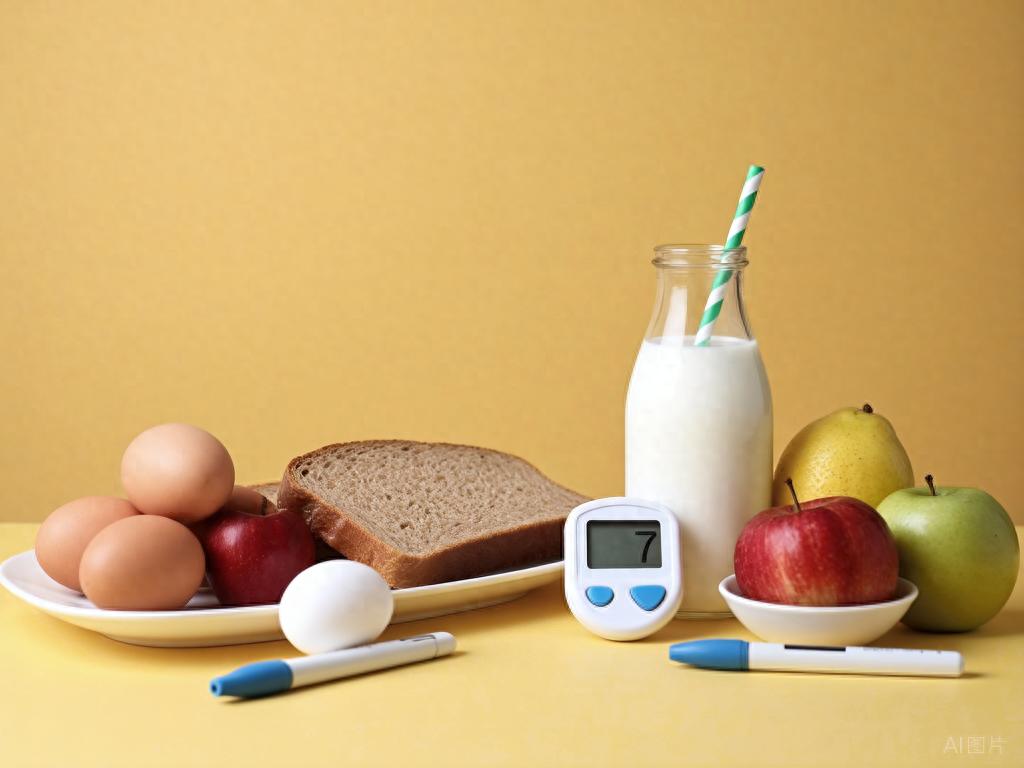
1. Three golden principles for winter breakfast ❄️✅
1️⃣ Eat vegetables first, then protein, and carbohydrates last
✅
✅ Order trick: fiber → protein → carbs, which naturally slows the rise in blood glucose
✅ Winter preferred vegetables: spinach, broccoli, baby bok choy (cook warm)
2️⃣ Keep solids and liquids separate; don’t eat soup and rice together
❌ Avoid: porridge + steamed buns, rice soaked in soup and other "gelatinized" combinations
✅ Correct: drink soup/milk first (wait 15 minutes), then eat solid food
3️⃣ Warm cooking, reject cold foods
❌ Avoid: iced milk, cold yogurt, raw cold salads
✅ Preferred: hot drinks, steamed/boiled/stewed foods—warm the stomach and slow the rise in blood glucose
2. Four classic breakfast menus for blood glucose control in winter
Menu 1: Warming mixed-grain porridge set
Staple: Yam and oat porridge (oats 30 g + yam 50 g + cooked in warm water)
Protein: 1 boiled egg
Vegetable: Steamed broccoli with minced garlic (100 g)
Beverage: Soy milk 200 ml (unsweetened)
:★★☆☆☆
Glycemic index: ★★☆☆☆
Preparation time: 15 minutes
Menu 2: High-fiber vegetable steamed bun set
Staple: 1 whole-wheat vegetable steamed bun (fist-sized)
Protein: 1 bowl of tofu pudding (lightly seasoned)
Vegetables: Cold dressed wood ear mushrooms with shredded carrot (100 g, blanched in advance)
Beverage: Almond milk 200 ml (warmed)
:★★★☆☆
Glycemic index: ★★★☆☆
Preparation time: 10 minutes (can be prepared in advance and frozen)
Menu 3: Sweet Potato Energy Breakfast Plate
Staple: Steamed sweet potato (with skin 100 g, about half a root)
Protein: Scrambled egg with scallions (1 egg)
Vegetables: Stir-fried mushrooms and greens (shiitake mushrooms + spinach 100 g)
Beverage: 200 ml milk (heated)
Preparation time: 12 minutes
Menu Four: Quick French-style Stew Set
Staple: 1 slice whole wheat bread (toasted until crisp)
Protein: 15 g low-fat cheese
Vegetables: stewed tomatoes (tomato + onion + bell pepper 100 g, a small amount of olive oil)
Beverage: 1 cup black tea
Glycemic Index: ★★☆☆☆
Preparation time: 10 minutes
3. Winter Breakfast "Red and Black List" ⚠️
Green-light Foods (Recommended)
✅ Quality staple foods: oats, buckwheat, whole wheat bread, Chinese yam, sweet potato (in moderation)
✅ Warming beverages/soups: unsweetened soy milk, almond milk, low-fat milk (warmed)
✅ Winter vegetables: dark green leafy vegetables, mushrooms, root vegetables (cooked)
✅ High-quality protein: eggs, tofu, low-fat dairy products
Red light foods (avoid or eat sparingly)
❌
❌ Gelatinized/starchy foods: white congee, overcooked noodles, rice soaked in soup
❌ High-sugar beverages: sweetened soy milk, flavored milk, fruit juice
❌ Fried pastries: youtiao (fried dough sticks), sugar-filled pancakes, sesame balls
❌ Processed meats: sausages, bacon (high salt, high fat)
4. Three heartwarming breakfast tips for winter
1️⃣ Prepare meals in advance so mornings aren’t rushed
Pre-process vegetables on weekends and portion them into the refrigerator
Schedule multigrain rice in the rice cooker so it’s ready to eat upon waking
Make extra whole-wheat buns/dumplings at once and store frozen
2️⃣ Use spices cleverly to boost metabolism
Sprinkle cinnamon powder into oatmeal porridge (helps insulin sensitivity)
Add minced ginger to stir-fries (promotes circulation)
Season with minced garlic (natural antibacterial)
3️⃣ Meal duration should be no less than 15 minutes
Chew slowly and eat leisurely to give the brain time to receive satiety signals
Sit quietly for 10 minutes after the meal, then engage in activity
5. Special reminder: Key points for blood glucose monitoring in winter
Measure blood glucose first thing in the morning: know the fasting value, then decide the breakfast portion
Monitor 2 hours after meals: verify whether the breakfast combination is appropriate
Be aware of "cold-induced hyperglycemia": sudden temperature drops may cause blood glucose fluctuations, adjust promptly
Keep feet warm: blood circulation slows in winter, pay extra attention to foot care
Conclusion
Breakfast in winter is the most important “blood-sugar-setting” meal of the day for people with diabetes. Choosing warm, high-fiber, and slow-digesting foods not only stabilizes blood glucose but also warms you through the cold season.