What Should Diabetics Avoid Eating? A Clear Guide to Dietary Red Flags—Better Eating, Better Blood Sugar!
A pair of chopsticks on the dining table may have a greater impact on blood sugar fluctuations than the prescription from a doctor.
"What foods should people with diabetes avoid?" This is one of the most pressing concerns for every person with diabetes and their family. Dietary control is the cornerstone of diabetes management. Eating the right foods can help stabilize blood sugar, while eating the wrong foods may cause blood sugar spikes or worsen complications.

Today, let's discuss those "red-light foods" in the diabetic diet to help you grasp the basic principles and make your daily diet safer and more scientific.
01 Dietary Control: The Core Principles
For people with diabetes, the goals of dietary control are clear: maintaining stable blood sugar and preventing complications. These two objectives directly correspond to two categories of foods that require special attention: foods that rapidly raise blood sugar and foods that may trigger or worsen complications.
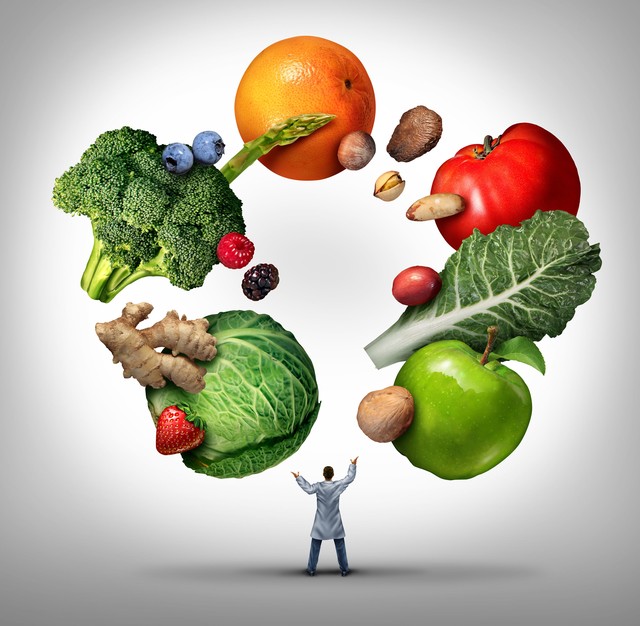
Controlling total calories, balanced nutrition, and eating on a regular schedule with fixed amounts are the fundamental principles of diabetic diet. Understanding which foods should be restricted or avoided helps to better implement these principles.
02 Blood Sugar "Accelerators": Foods That Raise Glucose Quickly
High glycemic index (GI) foods can cause a rapid rise in blood sugar, putting extra strain on the pancreas and making long-term blood sugar control more difficult. These foods are typically refined carbohydrates.
Refined grains and their products: white rice, white steamed buns, white noodles, regular bread, etc. These foods are low in fiber, digest and absorb quickly, and can easily cause a post-meal blood sugar spike.
Sugary drinks and sweets: cola, fruit juice, milk tea, candy, cake, ice cream, etc. These foods contain large amounts of added sugar, acting as a "fast track" for blood sugar.
Some starchy root vegetables: Cooking methods like mashed potatoes and boiled pumpkin can significantly increase their glycemic index. In contrast, whole steamed or appropriately cooled potatoes have a lower glycemic impact.

03 Complication "Accelerators": These Foods Require Caution
Long-term high blood sugar damages blood vessels and nerves, and certain foods may accelerate this process or trigger other health issues, increasing the risk of complications.
High-fat, high-cholesterol foods: Animal organs, fatty meats, fried foods, butter, etc. These foods can increase the risk of cardiovascular diseases, which are a major health threat for diabetic patients.
High-salt foods: Pickled vegetables, cured meats, processed meats, canned foods, etc. A high-salt diet can raise blood pressure and increase the burden on the kidneys, which is particularly important for preventing diabetic nephropathy and hypertension.
High-purine foods: animal offal, concentrated meat broth, seafood, etc. Diabetic patients often have elevated uric acid levels, and a high-purine diet may trigger gout and worsen joint damage.
Alcoholic beverages: alcohol not only provides empty calories but may also cause blood sugar fluctuations, especially when drinking on an empty stomach may lead to severe hypoglycemia. Long-term alcohol consumption can also damage liver and pancreatic function.
04 Practical Dietary Substitution Strategies
Knowing what to avoid is important, but it is even more crucial to know what to eat. Here are some simple and practical substitution suggestions:
Replace refined grains with whole grains: use oats, brown rice, and whole wheat bread instead of white rice and white bread.
Replace sugary foods with natural fruits: Choose low-GI fruits like apples, pears, strawberries, etc., and avoid fruit juices and desserts.
Replace unhealthy fats with healthy fats: Use olive oil, nuts, avocado instead of animal fats and trans fats.

Replace high-salt seasonings with herbs and spices: Use garlic, onions, lemon juice, and herbs instead of salt and soy sauce for seasoning.
05 Individualized adjustments and monitoring
Diet for diabetes is not fixed and requires adjustment based on individual circumstances:
Consider coordination between medication and diet: Patients using insulin or certain oral medications need to pay special attention to the timing between diet and medication to prevent hypoglycemia.
Monitor weight changes: Obese patients with diabetes need stricter control of total calorie intake, while underweight patients need to ensure adequate nutrition.
Monitor blood sugar regularly: By checking blood sugar levels before and after meals, understand the impact of different foods on personal blood sugar, and develop personalized diet plans.
Consult a professional dietitian: Each person's physical condition, activity level, and medication use are different. A professional dietitian can provide a dietary plan that best suits you.
In modern supermarkets, rows of processed foods reflect enticing highlights under the lights. As diabetic patients navigate these dazzling options, their eyes must become more discerning. Those inconspicuous fine print details on food packaging—ingredient lists and nutrition labels—actually reveal the truth more effectively than advertising slogans.
Scientific dietary management isn't about simply saying "no"; it's about learning how to find freedom within constraints and discover variety through routine. For diabetic patients, every meal represents a small victory in self-management. The rhythm of a healthy life is often hidden within these everyday dietary choices.