Can Type 2 Diabetes Develop into Type 1? A Scientific Explanation and Blood Sugar Management Strategies Are Here!
Recently, a common question has been raised in diabetes communities: "Could my type 2 diabetes gradually turn into type 1?" This reflects everyone's concerns and anxieties about the progression of the disease. Today, we will thoroughly clarify this issue and provide a practical guide to scientifically managing blood sugar.
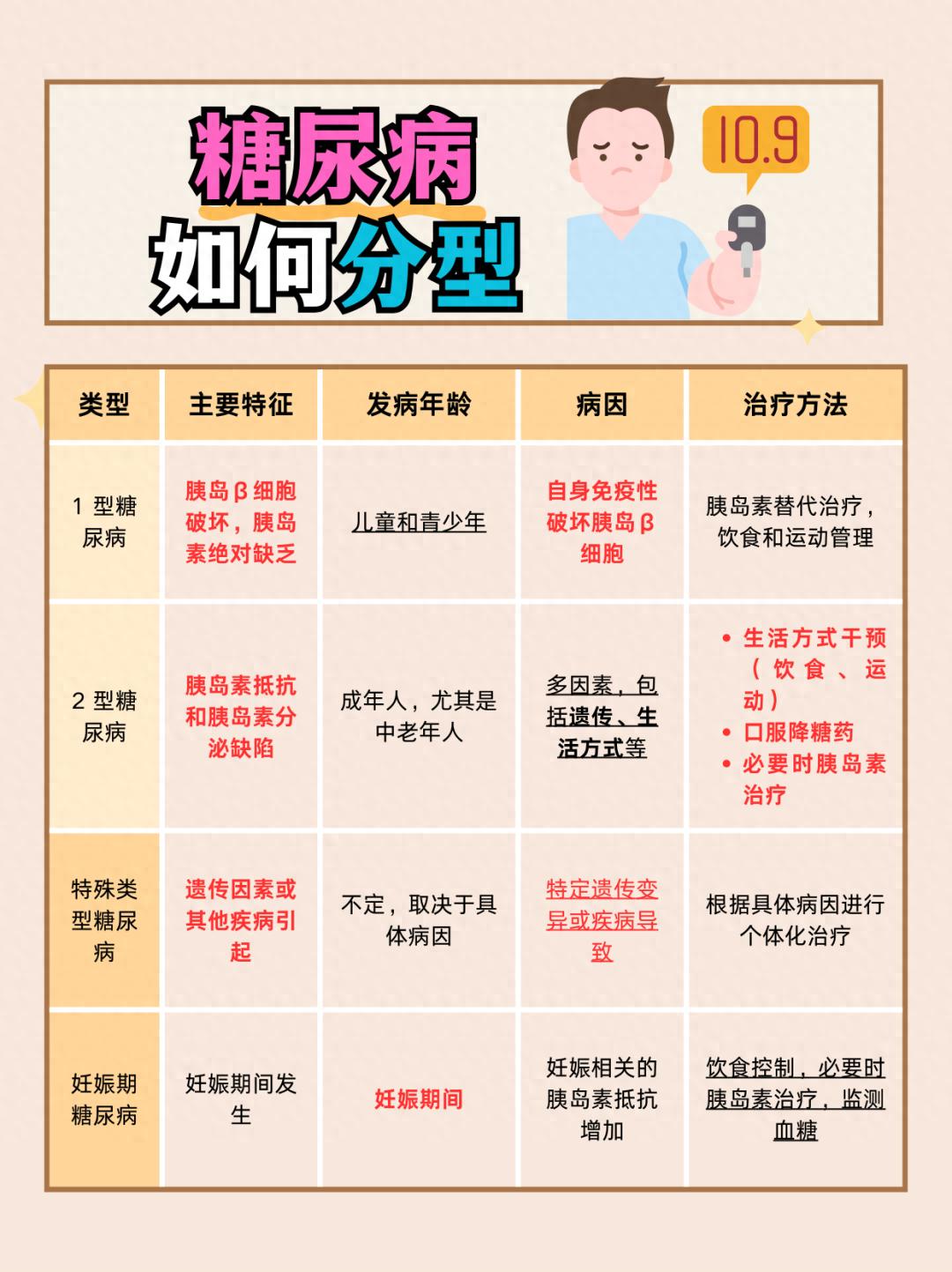
Core Answer: It does not "convert," but scientific management is essential.
First, a clear conclusion: Type 2 diabetes does not transform into Type 1 diabetes. They are two distinct diseases with different pathogenic mechanisms:
Type 1 diabetes: The autoimmune system mistakenly attacks and destroys insulin-secreting beta cells, leading to an absolute deficiency of insulin. It typically develops early in life and requires lifelong insulin therapy.
Type 2 diabetes: The body develops insulin resistance (where cells become less responsive to insulin) or there is a relative insufficiency of insulin secretion. It is closely related to genetics and lifestyle and accounts for over 90% of diabetes cases.
Although no "transformation" occurs, some patients with Type 2 diabetes may experience a gradual decline in pancreatic islet function as the disease progresses, eventually necessitating insulin therapy. This is sometimes misunderstood as "turning into Type 1," but it remains a developmental stage of Type 2 diabetes in essence.
Type 2 Diabetes: Manageable and Treatable, Living a Wonderful Life
A diagnosis of type 2 diabetes is not the end of the world! It's more like a "lifestyle adjustment notice" from your body. Through scientific management, many individuals with diabetes can achieve stable blood sugar levels, significantly reduce the risk of complications, and even enjoy a higher quality of life than before diagnosis!
The "Five Carriages" of Scientific Blood Sugar Management
1️⃣ Dietary Management: Eat Smart, Live Happily
Plate Rule: ½ vegetables, ¼ high-quality protein, ¼ whole grain staples
Choose low-GI foods: oats, brown rice, legumes, most vegetables
Regular and measured portions: eat smaller, more frequent meals to avoid drastic blood sugar fluctuations
Skillful use of cooking methods: prioritize steaming, boiling, and stewing; reduce frying and deep-frying
Remember the simple rhyme: Plenty of vegetables, high-quality protein, whole grains for staples, fruits in moderation, and controlled oil and salt!
2️⃣ Regular Exercise: Get Moving, Lower Sugar
Aerobic Exercise: Brisk walking, swimming, cycling—at least 150 minutes per week, such as 30 minutes daily ♂️♀️
Strength Training: Twice a week to increase muscle mass and improve insulin sensitivity
Small Changes, Big Impact: Take a 15-Minute Walk After Meals, Use Stairs Instead of Elevators
3️⃣ Blood Sugar Monitoring: Know Yourself and Your Enemy to Win Every Battle
Regular Monitoring: Understand How Diet and Exercise Affect Blood Sugar
Utilize Data Effectively: Record Blood Sugar Levels, Diet, and Activity to Identify Personal Patterns
Regular check-ups: Measure glycated hemoglobin (HbA1c) every 3-6 months to monitor long-term blood glucose control
4️⃣ Medication adherence: Scientifically using medication to aid blood glucose control
Follow medical advice for medication: Do not stop or change doses arbitrarily
Understand your medications: Know the action time and precautions for each medication
Do not resist insulin when necessary: It is an effective tool for blood sugar control, not a sign of "disease progression"
5️⃣ Education and Mindset: Knowledge is the best "blood sugar-lowering medicine"
Continuous learning: Learn about diabetes knowledge and be the first person responsible for your own health
Join the Community: Share experiences and support each other with fellow diabetics
Stay optimistic: A positive mindset helps stabilize blood sugar levels
Special reminder: Preventing complications is key
The true significance of long-term blood sugar control lies in preventing complications. Through good management, it is entirely possible to avoid or delay:
Regular eye fundus exams ️
Focus on Foot Health
Monitor Kidney Function and Cardiovascular Health ❤️
Maintain Healthy Blood Pressure and Blood Lipids
Conclusion: Dancing with Sugar, Living a Brilliant Life
Although type 2 diabetes currently cannot be "cured," it can definitely be "managed." It’s more like a health mentor in life, urging us to develop a more scientific lifestyle. Many people with diabetes find that after diagnosis, because they eat healthier, maintain a more regular schedule, and exercise more consistently, their overall health actually improves compared to before!
Remember, diabetes management is not a sprint but a marathon. Occasional blood sugar fluctuations do not mean failure; long-term trends are what matter most. By working closely with your healthcare team to find a management plan that works for you, you can absolutely embrace a fulfilling, healthy, and vibrant life!