For Diabetics: These Snacks Can Be Eaten with Confidence Without Raising Blood Sugar!
"Once you have diabetes, snacks become a thing of the past..." This is a common sentiment among many people with diabetes. However, today I want to share a surprising perspective with you: eating snacks in a scientific manner can actually be a smart strategy for stabilizing blood sugar! This is especially true for those who need insulin injections or take certain blood sugar-lowering medications, as appropriate snacking can effectively prevent hypoglycemia and large fluctuations in blood glucose levels.
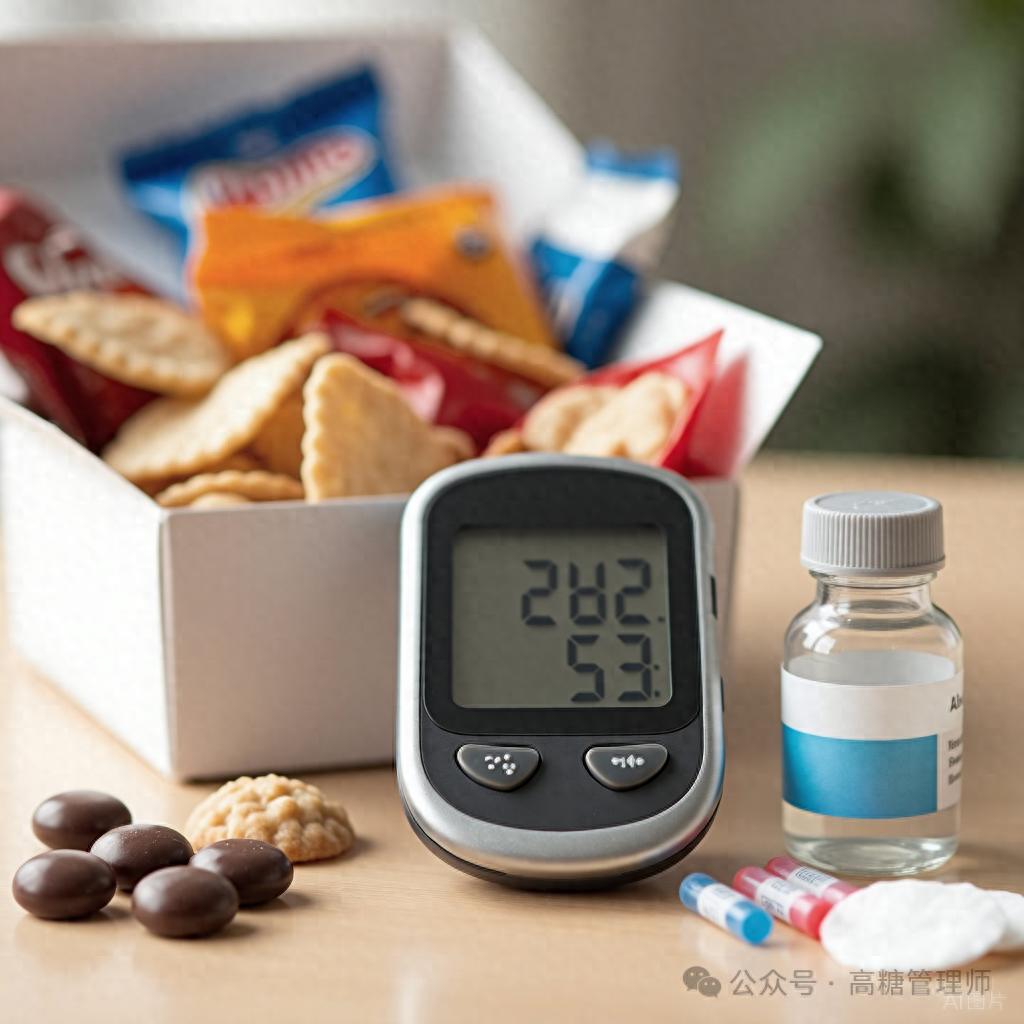
Why Are "Snacks" Sometimes Necessary?
When you encounter the following situations, it is more important to plan for snacks than to endure hunger:
Extended intervals between meals (exceeding 5–6 hours)
Increased physical activity compared to usual
Low or borderline-low blood glucose levels before bedtime
Delayed hypoglycemia may occur after using insulin or sulfonylurea drugs
Key point: We are against "eating haphazardly" and advocate for "smart snacking"—choosing healthy snacks that have minimal impact on blood sugar, are nutrient-dense, and consumed at the right time.
Healthy Snack "Traffic Light" Guide
Green Light Zone: Safe to Choose, Eat with Priority
1️⃣ High-quality protein foods
Why is it good? Protein digests slowly, provides strong satiety, and has almost no direct impact on blood sugar.
Hard-boiled egg/tea egg: One is a perfect snack.
Sugar-free yogurt/milk: Approximately 100–150 ml, to supplement calcium.
A small handful of plain nuts (about 10g): such as 2-3 walnuts, 6-8 almonds.
Low-fat cheese: a small piece, about 20g.
2️⃣ Fresh vegetables
Why is it good? Rich in dietary fiber, very low in calories, and slows down sugar absorption.
Raw vegetable sticks: cucumber, tomato, bell pepper, celery sticks.
A small bowl of vegetable salad (use little or no dressing)
Edamame: a small handful (about 50g), simply boiled, rich in plant protein
3️⃣ Low-glycemic index fruits
。
Why is it good? Provides vitamins and fiber, but portion size and variety selection need to be controlled.
Berries: strawberries, blueberries, raspberries (about half a bowl)
Apple/Pear: Half (medium-sized)
:2-3瓣
Grapefruit: 2-3 sections
Cherries: Approximately 15
⚠️ Note: It's best to eat fruit as a snack between meals, avoiding consumption immediately after a meal.
4️⃣ Slow-digesting grains
Why is it good? Complex carbohydrates provide sustained energy with a gradual blood sugar rise.
Whole wheat bread/crackers: one small piece (approx. 20g)
Oatmeal: unsweetened, approx. 20-30g makes a small bowl
Boiled corn: half an ear
Steamed Sweet Potato/Purple Sweet Potato: One small piece (about 50g, can be eaten as a partial substitute for staple food)
5️⃣ Customizable Mix-and-Match Options
Why is it the best? It combines carbohydrates, protein, and fat, and has the lowest glycemic index.
Whole wheat bread slice + one slice of low-fat cheese
Sugar-free yogurt + a small spoonful of oats + a few blueberries
A few slices of apple/pear + a small handful of nuts
Cucumber sticks/celery sticks + a small amount of hummus
Red Zone: Caution Advised, Try to Avoid
All sugary drinks: juice, bubble tea, soda
Refined pastries: cake, cookies, egg tarts, doughnuts
Fried foods: potato chips, fried chicken, instant noodles
Processed meats: sausages, hot dogs (typically high in fat and salt)
Candied Dried Fruits: Raisins, Dried Mangoes (highly concentrated sugar content)
⏰ Smart snacking: timing and portion control are key!
Remember two principles:
"Not for indulgence, but for stability": Eating snacks is a blood sugar control strategy, not a license to overindulge.
"Plan ahead instead of fixing problems later": Prepare healthy snacks before going out to avoid making poor choices when hungry.
Recommended Timing for Snacks:
10 AM or 4 PM: As a bridge between meals
1 hour before bedtime: If pre-bedtime blood sugar is below 5.6 mmol/L, have a small snack to prevent nocturnal hypoglycemia
Before or after exercise: Decide based on exercise intensity and duration
Recommended snack portion:
Total calories: Controlled at around 100-150 kcal
Equivalent to: One small fruit + a few nuts, or a cup of yogurt
Special Circumstances: Emergency "Snacks" for Managing Hypoglycemia
When blood sugar drops below 3.9 mmol/L or symptoms of hypoglycemia such as heart palpitations, hand tremors, and sweating occur, the aforementioned "slow-acting" snacks are no longer suitable! What you need are "fast-acting emergency snacks for raising blood sugar," and you should follow the "15-15 rule":
Immediately consume 15 grams of fast-acting carbohydrates, such as:
4 glucose tablets
Half a glass (about 150 ml) of regular juice or cola
1 tablespoon of honey/white sugar
Wait 15 minutes, then re-test blood sugar.
If still below 3.9 mmol/L, repeat the first step.
After emergency treatment, once blood sugar has recovered and stabilized, you can supplement with another portion of the "healthy snacks" mentioned above (such as a slice of whole wheat bread) to prevent blood sugar from dropping again.
Final note: Take your "healthy snack pack" with you!
Managing blood sugar is not about strict asceticism; it's about harmoniously coexisting with your body based on understanding it. Allowing yourself to enjoy healthy snacks in a planned way can make your blood sugar management journey easier and more sustainable.
Before heading out next time, consider packing a small box of sugar-free yogurt, an apple, or a small bag of nuts in your bag. This small preparation is a thoughtful way to give yourself peace of mind, eliminating the anxiety of "what if I get hungry?" and allowing you to enjoy life and social interactions more freely.
Stabilizing blood sugar starts with bidding farewell to unnecessary hunger. Wishing every friend with diabetes a joyful eating experience and confident blood sugar control!