This spot on a diabetic's foot is the "first alarm" for uncontrolled blood sugar!
A patient with ten years of diabetes experience always felt like there was a layer of sponge under his feet when walking. Then one day, while washing his feet, he developed blisters from scalding water without even noticing—this kind of "numbness" is the most dangerous gift of high blood sugar.
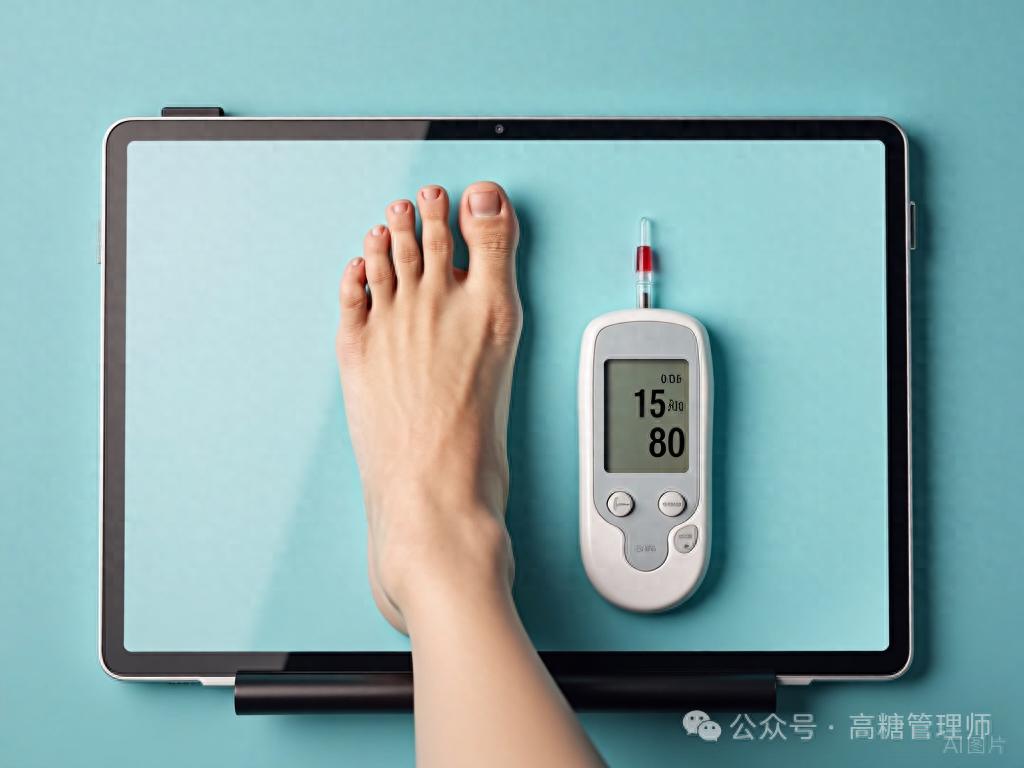
Among patients with diabetic foot ulcers, approximately 50% have peripheral neuropathy complications, and foot nerve damage often begins to fail in the most sensitive areas. Many people with diabetes are unaware that abnormal sensations in a specific area of the foot may be the earliest "distress signal" of long-term uncontrolled blood sugar and nerve complications.
01 Most Sensitive Area: Forefoot and Toe Tips
For people with diabetes, the forefoot (the ball of the foot) and toe tips are the areas most sensitive to blood sugar fluctuations and nerve damage.
This is not by chance. Anatomically, this area has:
The highest concentration of nerve endings: It is densely packed with receptors for sensing pressure, temperature, and pain.
Subject to the greatest daily pressure: About 60% of body weight load concentrates here during walking.
Relatively distal in blood circulation: High blood sugar is prone to first damage small blood vessels and nerves here.
When blood sugar remains consistently high, excess sugar acts like an "invisible toxin," preferentially attacking these longest and finest nerve fibers (especially sensory nerves), leading to abnormal sensations appearing earliest here.
02 Three types of abnormal sensations that may indicate nerves are "sounding the alarm"
If the front of your soles or toes exhibit the following sensations, you should be highly alert:
:
• Early Warning Signs (Positive Symptoms):
-
- Paresthesia: A sensation like ants crawling on the skin
- Pins and Needles: Unexplained stabbing or electric shock sensations ⚡
- Burning sensation: Especially worsens at night, feeling like feet are burning even when covered by a blanket.
• Warning Signs in Progression (Negative Symptoms):
- "Sock sensation": Constantly feeling like wearing a thin sock on the feet, even when barefoot.
- Numbness and dullness: Using a fingernail to scratch the front part of the sole results in significantly dulled sensation or inconsistent feeling between the left and right feet
- Loss of Temperature Sensation: When testing foot bath water, your hand feels hot but your feet feel "just right" – this is the most dangerous signal!
• Associated Impact on Muscles and Sweat Glands:
You may also notice: slight atrophy of the foot muscles, increased arch height, or abnormally dry, cracked skin on the feet (due to reduced sweat gland secretion caused by autonomic nerve damage).
03 Abnormal Foot Symptoms = Uncontrolled Blood Sugar + Neuropathy?
The answer is: Highly correlated, and often appears as a "combined occurrence."
Relationship with Uncontrolled Blood Sugar
Foot neuropathy symptoms are usually the result of long-term poor blood sugar control. For every 1% increase in glycated hemoglobin (HbA1c), the risk of neuropathic complications rises by approximately 10-15%. However, note that acute hyperglycemia can also cause transient paresthesia, which may partially resolve with timely blood sugar management.
Association with Neuropathic Complications
The above symptoms clearly point to diabetic peripheral neuropathy (DPN). Hyperglycemia damages nerves through multiple mechanisms:
Once typical symptoms appear, it often indicates that nerve damage has already been ongoing for some time.
Metabolic disorders: Activation of the sorbitol pathway leads to osmotic imbalance within nerve cells
Microvascular complications: Blockage of the small blood vessels that nourish nerves, causing nerves to "suffer from hypoxia and starvation"
Inflammatory damage: Chronic inflammatory response directly attacks nerve tissue
04 Self-examination "four-step method" and professional diagnosis
Perform a systematic foot self-examination monthly:
Inspection steps
Specific Methods
Normal Responses
Abnormal Warnings
1. Tactile Examination
Gently touch the sole of the foot and toe tips with a monofilament (or straightened paper clip).
Can clearly feel the touch.
Sensation is diminished or completely absent.
2. Temperature sensation test
Use cool/warm metal spoons to touch the skin separately.
Can clearly distinguish between cold and hot
Unable to distinguish cold from hot or delayed sensation
3. Pain sensation examination
Apply gentle pressure with a blunt needle (without piercing the skin)
A slight tingling sensation is present
Decreased or heightened sensitivity to pain
4. Vibratory sensation examination
Place the handle of the vibrating tuning fork on the big toe joint
Feel continuous vibration
Sensation of vibration disappears quickly
Professional diagnosis requires medical consultation: Doctors will conduct more precise nerve conduction velocity (NCV) tests, vibration perception threshold (VPT) measurements, etc. After diagnosis of nerve complications, in addition to strict blood sugar control, medications targeting nerve repair such as alpha-lipoic acid and B vitamins (e.g., methylcobalamin) may also be needed.
05 Triple Protection: Glucose Control, Foot Care, and Regular Checks
Root Cause Glucose Control: Maintain glycated hemoglobin (HbA1c) below 7.0% (younger individuals or those without significant complications may aim for stricter targets). Stable glucose control is more important than simply pursuing lower values; avoid "rollercoaster" blood sugar fluctuations.
Daily Foot Care:
Wash feet daily with warm water below 37°C (98.6°F), for no longer than 10 minutes.
Thoroughly dry after washing, especially between the toes.
Apply moisturizer (avoiding the area between the toes).
Choose loose, breathable footwear and socks with seams on the outside.
Regular screening: Undergo a comprehensive neuropathy examination at the time of type 2 diabetes diagnosis and at least once a year thereafter. For those with existing neuropathy, re-evaluation every 3-6 months is recommended.
”
The patient with ten years of diabetes history eventually developed a foot infection and ulceration due to a minor scald, undergoing treatment for half a year. His attending physician repeatedly emphasized, "The damage from neurological complications is 'silent'; by the time pain is felt, it is often too late."
Your feet bear the weight of your entire body every day, yet they are the most easily overlooked. Tonight before bed, please spend five minutes carefully touching and examining your feet—those subtle changes in sensation may be the most critical life-saving signals your body is sending. Staying vigilant from the soles of your feet is the wisest form of self-protection for individuals with diabetes.