Can Diabetics Detect Kidney Disease by Observing Urine? Doctor Explains 3 Dangerous Signs
A tube of red urine may be harmless coloration or an urgent alarm from the body.
During morning rounds, a long-term diabetes patient anxiously asked while holding a urine specimen: "Doctor, my urine has turned red. Does that mean my kidneys are seriously failing?"
Examination revealed that the abnormal urine color might be related to the patient’s use of epalrestat, a medication for nerve nourishment, and acute kidney injury was temporarily ruled out. However, this false alarm served as a reminder to all diabetes patients: changes in urine color, especially "red urine," require vigilance but should not cause excessive panic.
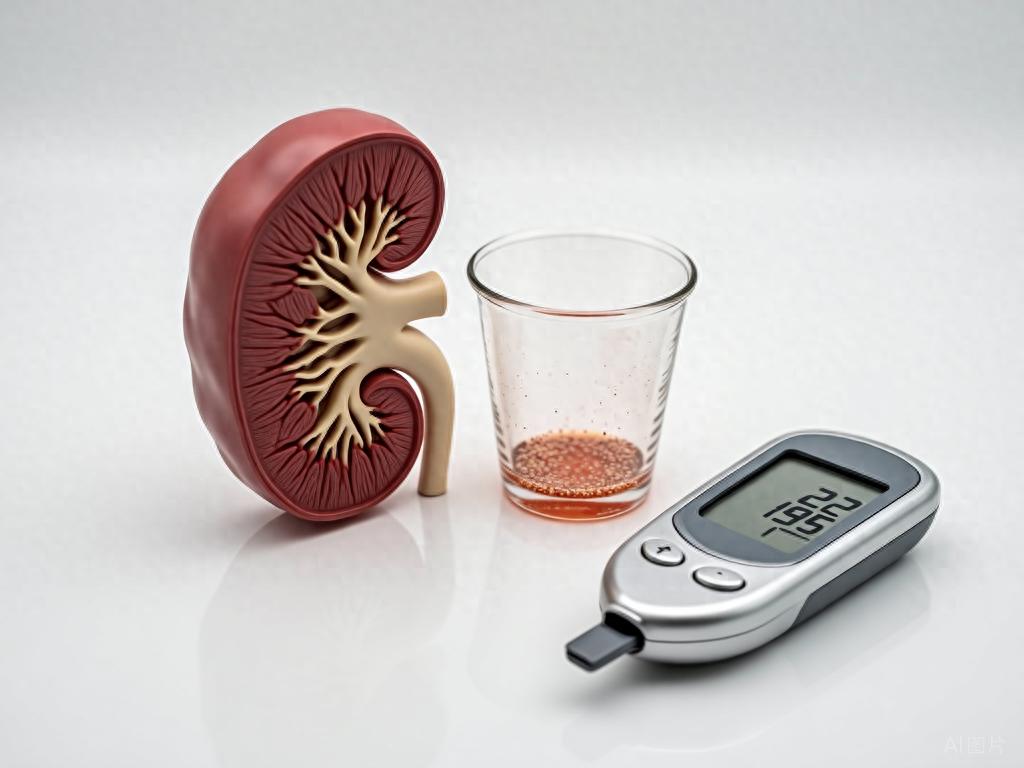
For diabetes patients, the kidneys are a key organ to protect. Morning urine, as the "health barometer" concentrated after a night of metabolism, often provides the earliest clues through changes in color and appearance.
01 False Alarm: "Harmless Staining" from Food and Medication
Urine turning red doesn't immediately mean the worst-case scenario. Many everyday factors can "color" urine, causing "pseudo-hematuria."
Food "Color Palette": Foods rich in natural pigments, such as red dragon fruit, beets, purple cabbage, and large amounts of blueberries, may cause urine to appear red or pink. This type of staining is usually temporary and will return to normal quickly after drinking more water or discontinuing consumption.
Drug "Side Effects": Some medications themselves or their metabolites are excreted through the kidneys and may change the color of urine. In addition to epalrestat mentioned in the case, the following medications may also cause this:

Some antibiotics (e.g., rifampin)
Anticoagulant medications (such as warfarin, though it's important to note that they themselves may also cause true hematuria)
Certain laxatives (containing phenolphthalein)
Medications for treating Parkinson's disease (such as levodopa)
。
Key distinguishing point: This type of "colored urine" is typically uniformly red, with no other discomfort in the body (such as back pain, frequent urination, painful urination, or edema), and the "occult blood" and "red blood cells" items in the urinalysis are negative.
02 True Warning Signs: These 3 Types of "Red Urine" Require High Alert
After excluding food and medication influences, especially when a routine urine test indicates "occult blood positive" or shows a large number of red blood cells, the following three types of "red urine" serve as a dangerous alarm from the body, potentially indicating serious underlying health issues.
Meat-washing water-like or pink urine: Possible damage to the kidney's filtration system.
This type of urine appears like lightly colored meat-washing water, showing a uniform pink or light red hue. It most commonly suggests that the hematuria originates from the kidneys themselves.
:
Possible causes:
Diabetic Nephropathy Progression: Chronic hyperglycemia damages the glomerular filtration membrane, increasing its permeability and causing red blood cells to leak out. This is a serious complication that should be first ruled out when diabetic patients present with hematuria.
Acute Glomerulonephritis: May be triggered by factors such as infection, leading to immune-mediated inflammation in the kidneys.
Other Renal Parenchymal Diseases: Such as IgA nephropathy, thin basement membrane nephropathy, among others.
Characteristics: The urine color is uniform, often accompanied by proteinuria, hypertension, and swelling of the eyelids or lower limbs. Patients may experience fatigue, but there is typically no significant dysuria.

Soy sauce-like or strong tea-like urine: muscles or red blood cells "dissolving"
Urine appearing dark brown, soy sauce-colored, or strong tea-colored typically indicates hemoglobinuria or myoglobinuria, meaning that red blood cells or muscle cells are being extensively destroyed within the blood vessels.
Rhabdomyolysis: Severe muscle damage caused by intense exercise, crush injuries from falls, or side effects of statin drugs, leading to myoglobin entering the bloodstream and being excreted in urine. Diabetic patients require special attention.
Hemolytic diseases: Such as drug-induced hemolysis or transfusion reactions, causing hemoglobin to directly enter the urine.
Severe infection or poisoning.
Characteristics: Dark-colored urine, strongly positive occult blood in urinalysis, but few red blood cells may be seen under the microscope. Often accompanied by systemic symptoms such as severe muscle pain, fever, and fatigue.
Bright red urine with blood streaks or clots: indicates damage in the lower urinary tract.
Urine appears bright red, sometimes with visible blood streaks or small clots; may worsen at the beginning or end of urination.
Urinary tract infections: such as acute cystitis or pyelonephritis. Diabetic patients have lower resistance and are more susceptible to infections.
Urinary tract stones: stones can scrape and injure the ureteral or bladder mucosa.
Genitourinary Tumors: such as bladder cancer, kidney cancer. Painless gross hematuria is a typical sign of genitourinary tumors, particularly bladder cancer, and requires extreme attention.
Prostate Issues (in male patients).
Characteristics: Bright red hematuria, may be accompanied by frequent urination, urgency, and painful urination (infection or stones), or be completely painless (be alert for tumors). Clot formation indicates that bleeding may be more significant or faster.
03 Guidelines for Diabetes Patients: Observe, Record, and Seek Prompt Medical Attention
When facing changes in urine color, diabetic patients should adopt rational and scientific response steps:
Step 1: Calmly Review
Pause panic, carefully recall whether you have consumed special foods (such as dragon fruit) in the past 1-2 days or are taking medications that may cause discoloration.
Step 2: Preliminary Observation
Observe the depth of urine color, whether it is uniform, and if there is any blood streaks or clots. Note if there are other symptoms such as lower back pain, discomfort during urination, edema, or fever.
Step Three: Ensure Testing
Regardless of the suspected cause, a urine routine test should be conducted as soon as possible. This is the gold standard for distinguishing "staining" from "true hematuria." Home urine test strips can be used for preliminary screening, but hospital laboratory tests are more accurate.
Step Four: Seek Medical Attention Promptly
If routine urinalysis confirms occult blood or abnormal red blood cells, you must consult a doctor (nephrology or endocrinology) immediately. The doctor will assess the cause and location of the bleeding based on your duration of diabetes, blood sugar control, kidney function, ultrasound, and other tests.
Important Reminder: Do not discontinue hypoglycemic drugs or other necessary medications that may cause discoloration (such as epalrestat) on your own due to hematuria. Any adjustment to medication must be decided by a doctor after a clear diagnosis.
Diabetes management lies in the details, and morning urine is an important "self-check report" submitted daily by the body. Red, sometimes merely a trace left by a passerby, can at other times signal a breach in the health defenses.
Learn to discern the differences—neither ignore every warning of abnormality nor live in constant fear due to ignorance. The safest approach is to let professional insight interpret these signals, safeguarding your kidneys and health under scientific guidance. When the color of urine tells an unusual story, the best reader will always be your doctor.