Diabetes Experts Warn: Diabetic Patients Using Winter Heating, These 5 Mistakes Can Be Dangerous!
Director Ye Aiguo points out that a seemingly minor oversight in winter heating may lead diabetic patients to pay the price with their health.
Recently, many regions in Gansu Province have experienced significant temperature drops and snowfall, with severe cold persisting in northern areas. For diabetic patients, maintaining body warmth helps stabilize blood sugar levels, but the choice of heating methods is crucial for safety and health.
Ye Aiguo, Director and Deputy Chief Physician at the Outpatient Department of Lanzhou Ruijing Diabetes Hospital, emphasizes that if diabetic patients have long-term poor blood sugar control, they are highly susceptible to complications such as nerve and vascular lesions, which can lead to insufficient blood supply to the lower limbs and reduced sensation in the feet.
In such cases, improper heating methods may lead to burns occurring without notice, followed by skin ulcers, infections, and even more severe consequences.
01 Hidden Dangers of Heating
As winter sets in, heating becomes a daily necessity for every household. However, for individuals with diabetes, this is a matter requiring extra vigilance.
Patients with chronically poor blood sugar control are prone to developing neurological complications and vascular damage, leading to insufficient blood supply to the lower limbs and reduced sensation in the feet.
"Many patients, due to diminished sensitivity, often get scalded without realizing it when using heating devices," explains Director Ye Aiguo. "By the time they notice, the skin may already have blistered or ulcerated, making treatment quite challenging. In severe cases, it can even lead to infection, gangrene, and the risk of amputation."
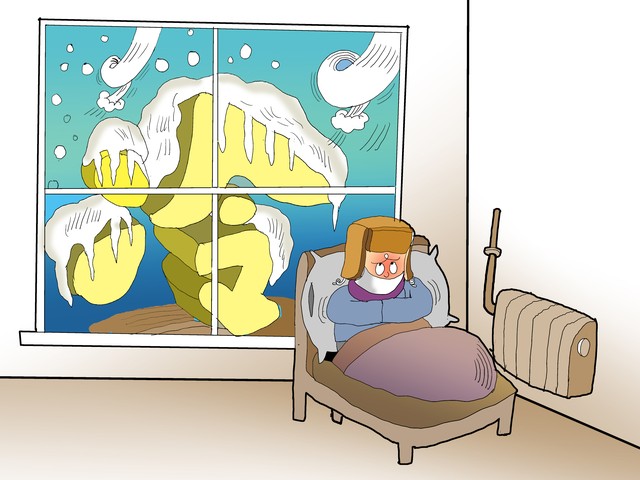
Therefore, for diabetic patients, staying warm is by no means a trivial matter; the methods and precautions taken are crucial.
02 Five Dangerous Behaviors
Director Ye, drawing from clinical experience, has identified five dangerous behaviors that diabetic patients must be particularly careful to avoid when warming themselves in winter, with each point directly impacting safety:
I. Using an Electric Blanket Overnight
Electric blankets generate continuous heat, and even when set to a low temperature, prolonged contact can lead to excessively high localized skin temperature.
"It is advisable to preheat the bedding before going to sleep and promptly turn off the power after lying down," Director Ye reminds. "Avoid keeping it plugged in overnight to prevent low-temperature burns during sleep due to reduced sensitivity."
Second, Indiscriminate Use of Heating Patches
。
Although heating patches are small and convenient, they generate heat for an extended period at relatively high temperatures. Direct application to the skin can easily cause "low-temperature burns."
This type of burn often causes minimal pain, making it difficult for patients to detect promptly. By the time they notice symptoms such as redness, swelling, blisters, or even ulceration on the skin, it is often too late.
Director Ye advises that individuals with diabetes or those experiencing peripheral neuropathy should avoid using such skin-contact heating patches.

Third, getting too close to electric heaters
Electric heaters concentrate warmth in a focused area with high heat output. Many patients prefer placing their feet or legs close to the heater, warming them for extended periods.
"Be sure to maintain a safe distance—ideally over one meter—and avoid continuous heat exposure to the same area," Director Ye emphasized. "It's best to use indirect heating methods, such as raising the overall room temperature, rather than prolonged local warming."
Four: Using a hot water bottle directly to warm your feet.
This is one of the most common clinical causes of foot scalds.
"Hot water bottles must never be placed in direct contact with the skin, especially the feet," explained Director Ye. "Even when wrapped in a towel, the water temperature should not be too high, and one should frequently check for any leaks. It is best to avoid using them altogether."
Fifth: Using an open-flame brazier for heating
Open-flame heating not only carries risks of burns and fire but can also cause accidental scalds due to uneven temperature distribution and localized overheating. Additionally, the combustion process may release harmful gases that can irritate the patient's respiratory tract.
"Diabetics have fragile skin and poor repair capacity, so any direct heating with open flames should be strictly prohibited," Director Ye warned.
03 Guide to Safe Heating
:
In addition to avoiding dangerous methods, Director Ye also provided 4 safe and effective warmth retention methods for diabetics:
1. Add clothing scientifically, layer for warmth
Add clothing promptly according to temperature changes, following the principles of warmth, comfort, and lightness. Choose moisture-wicking and breathable innerwear, warm middle layers, and windproof outerwear. Avoid wearing overly tight shoes and socks to prevent affecting blood circulation in the feet.
2. Adjusting the Temperature and Humidity of the Living Environment
19℃~24℃
40%~50%
Maintaining an indoor temperature between 19°C and 24°C and a humidity level between 40% and 50% ensures optimal comfort. A humidifier can be used to prevent excessively dry air, and regular ventilation through open windows helps maintain fresh air.
3. Opt for Sunbathing as a Natural Warming Method
On sunny afternoons, bask in the sun with your back facing the sunlight for more than 30 minutes. This not only warms the body but also promotes the synthesis of vitamin D, making it an economical and healthy way to stay warm. Be careful to avoid excessive sun exposure and take protective measures for the face.
Four. Exercise Appropriately, Generate Heat Internally
Exercise is a crucial component of comprehensive diabetes management. During winter, maintaining moderate physical activity, such as indoor aerobics, Tai Chi, or walking, not only boosts resistance and aids in blood sugar control but also generates heat through muscle activity, achieving a warming effect from the inside out.
"Exercise should be gradual. Avoid exercising outdoors during extreme cold in the early morning, and pay attention to slip and fall prevention," added Director Ye.
04 Winter Protection Key Points
For individuals with diabetes, winter is a season that requires comprehensive protection.
In addition to exercising caution with heating methods, Director Ye also reminds diabetes patients to pay attention to the following: strengthen blood glucose monitoring, as cold temperatures may trigger stress responses, leading to fluctuations in blood sugar; pay attention to daily foot checks, observing both feet daily for signs of redness, swelling, ulceration, or changes in skin color; keep the skin moisturized to prevent dryness and cracking; maintain a balanced diet and appropriately increase the intake of warm foods, but strictly control total calorie intake.
"Stable blood sugar is the foundation, staying warm is the means, and safety is the bottom line," Director Ye concluded. "We hope that every individual with diabetes can master scientific knowledge about heating and spend a warm and safe winter."
By choosing the right heating methods, warmth and health can be achieved together. This winter, may every diabetes patient spend the season peacefully under the guidance of science.
Stable Sugar Levels, Stay Warm, and Ensure Safety.