12 Golden Foods + Dietary Tips for Diabetics to Keep Blood Sugar Stable All Day Long!
Many people with diabetes often fall into anxiety about "not being able to eat this, not being able to eat that" after diagnosis. However, scientific dietary methods are just as important—or even more important—as "what to eat." Knowing how to combine, arrange, and prepare foods is key to maximizing the blood sugar control potential of healthy foods.
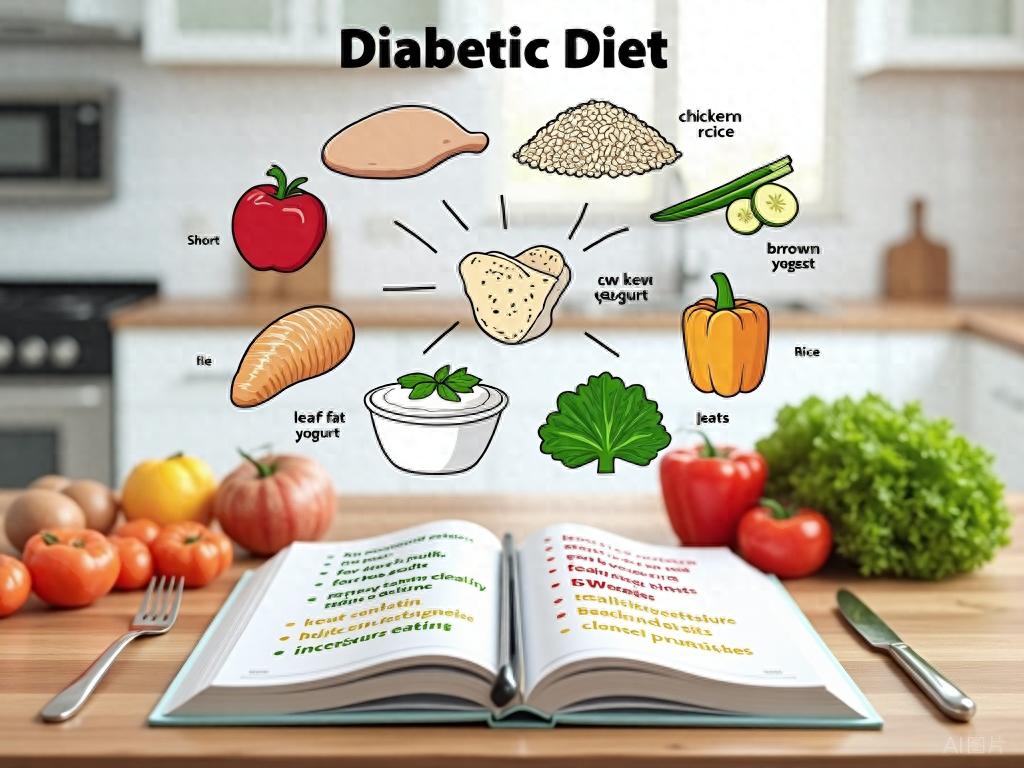
Today, we not only compiled a list of 12 golden foods that are friendly for people with diabetes but will also share a set of simple and practical scientific dietary tips to help you easily stabilize your blood sugar and eat your way to health.
The Three Core Scientific Principles of Blood Sugar Control Diet
Before learning about specific foods, first master these three fundamental principles:
Balanced Diet: Ensure each meal contains quality carbohydrates, adequate protein, healthy fats, and plenty of non-starchy vegetables.
Portion Control: Even healthy foods can cause blood sugar fluctuations when consumed in excess. Learning to "measure with your eyes" is key.
Pay attention to the order of eating: This is a simple yet extremely effective technique.
12 Golden Foods + Scientific Eating Tips
1. Non-starchy vegetables - The "main force" of the table
Foods: leafy greens, broccoli, bell peppers, cauliflower, onions, etc.
Tip: Follow the "Vegetables First" principle. Start each meal by eating half to one bowl of vegetables before consuming other foods. This utilizes their rich dietary fiber to form a "buffer layer," effectively slowing down the absorption of subsequent carbohydrates.
2. Whole Grains - The Choice of High-Quality Carbohydrates
Foods: Oats, quinoa, brown rice, whole-wheat bread.
:
Tip: Substitute refined staples. Replace half of the white rice with brown rice or quinoa, and white bread with whole-wheat bread. Pay attention to portion size; the amount of staple food per meal should be approximately the size of a fist.
3. Legumes - Dual Protection of Protein and Fiber
Foods: Soybeans, lentils, chickpeas.
Tip: They can be consumed as part of a staple meal or a high-quality protein source. For example, cook rice with red beans or chickpeas, or make a cold mixed bean salad.
4. Nuts and Seeds - Healthy "Snack Boosters"
Foods: Almonds, walnuts, flaxseeds.
Technique: Measure portions and enhance texture. A small handful (about 10 grams) per day as a snack, or sprinkled over yogurt or salad. Their healthy fats and protein provide lasting fullness, preventing excessive hunger during main meals.
5. Fatty Fish - A Heart-Protective Choice
Foods: Salmon, mackerel, sardines.
Tips: Steaming and baking are preferable; avoid frying. Include in 2-3 meals per week as the main protein source for lunch or dinner, accompanied by generous portions of vegetables.
6. Lean Meats and Poultry – The Protein Foundation
Foods: Skinless chicken breast, lean beef.
Tips: Choose lean cuts and cook properly. Trim visible fat before cooking; use steaming, boiling, or quick stir-frying methods. The protein portion per meal should be about the size and thickness of your palm.
7. Eggs - A Convenient Source of Nutrition
Tip: Cook with vegetables, such as scrambled eggs with tomatoes or spinach egg custard, to increase dietary fiber intake for more comprehensive nutrition.
8. Dairy Products - A "Partner" That Requires Careful Selection
Foods: Unsweetened yogurt, plain milk.
Technique: Choose sugar-free/low-sugar products, and note that the natural lactose in milk is also a carbohydrate. Combine sugar-free yogurt with fruits and nuts as a healthy snack.
9. Whole Fruits – Sweet "Snacking Companions"
Food: Berries, apples, pears, citrus.
Tip: Eat between meals, control portion size. Choose around 10 AM or 3 PM, with a daily total about the size of one fist (200 grams). Avoid juicing, consume whole to preserve fiber.
10. Healthy Fats - High-Quality Cooking Mediums
Foods: Olive oil, avocado.
Tip: Use for cold dishes or low-temperature cooking; avoid high-temperature stir-frying which can degrade the oil. Slice avocado for salads or mash it as a bread spread.
11. Water and Tea - The Best Beverages
Tips: Develop the habit of proactive hydration. Carry a water bottle with you and take small, slow sips. Replace sugary drinks and fruit juices with mild tea, such as green tea or oolong tea.
12. Fermented Foods - "Guardians" of the Gut
Foods: Unsweetened yogurt, low-salt kimchi.
Tips: Consume in moderation as a side dish, opting for low-salt products to avoid excessive sodium intake.
Three Advanced Techniques for More Efficient Blood Sugar Control
The Plate Method (Most Intuitive Portion Control):
Fill 1/2 with non-starchy vegetables (vegetables of various colors).
Allocate 1/4 for quality protein (fish, meat, eggs, soy products).
1/4 whole grains or starchy vegetables (brown rice, potatoes, sweet potatoes).
Imagine a dinner plate (about 22 cm in diameter) divided into four equal sections:
This is a simple, foolproof method to ensure balanced nutrition and control total calorie intake.
Adjust the order of eating (an effortless blood sugar control method):
Strictly follow the eating sequence: "soup/water → vegetables → protein → staple foods."
This small change can significantly reduce postprandial blood sugar spikes because it delays gastric emptying and carbohydrate absorption.
Chew slowly and eat mindfully:
Take at least 20 minutes per meal. Slowing down helps the brain receive the "full" signal in time, prevents overeating, and also reduces gastrointestinal burden.
In summary, managing a diabetes-friendly diet is an art of "choices" and "combinations." It’s not just about individual foods, but about the overall dietary pattern. By incorporating these 12 categories of superfoods into your daily meals through scientific pairing techniques, you can shift from "passive restriction" to "active management," truly becoming the master of your own health.
Take that first small step—try the "plate method" or "adjusting your eating order" starting with your next meal. Health is hidden in these everyday smart choices.