People with diabetes should protect these areas in winter to maintain better blood sugar levels and stronger health.
When blood sugar meets the cold winter, special challenges begin.
For people with diabetes, winter is never just a simple change of seasons.
With each drop in temperature, the difficulty of blood sugar management seems to increase by a notch.
Either blood sugar fluctuates unpredictably like a thermometer, or issues like cold hands and feet, cracked skin, and frequent colds arise...
What exactly should people with diabetes prioritize protecting this winter?
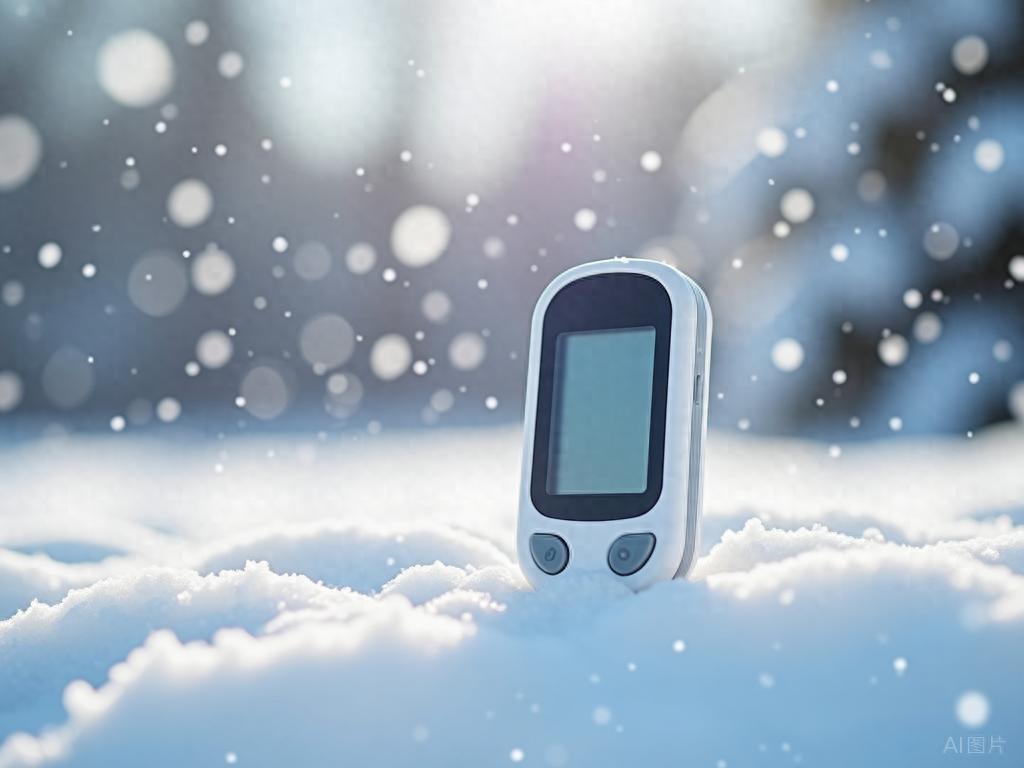
The answer is: safeguard your "systemic vascular network" and "peripheral defense line."
Because diabetic complications are most likely to take advantage during the cold season.
Number one to protect: Feet and hands—most afraid of "cold" and "injury"
Why is this the number one priority?
Diabetes can cause neuropathy and vascular disease, leading to reduced sensation in the feet and poor blood circulation. In winter, the cold causes blood vessels to constrict, further impairing blood flow. Even a minor wound may heal slowly and develop into a serious infection, potentially leading to "diabetic foot."
Warm Foot Care Guide:
Daily warm water foot bath: Water temperature should be controlled around 37°C (using the elbow to test temperature is safest), duration not exceeding 10 minutes. After washing, thoroughly dry with a soft towel, especially between the toes.
Choosing the right socks is crucial: Select light-colored, sweat-absorbent, seamless cotton socks; light colors make it easier to detect bleeding or pus. Change socks daily.
Shoe selection matters: Shoes should be loose, breathable, and warm. Develop the habit of shaking out shoes before wearing to prevent sand, gravel, or foreign objects from remaining inside.
:
Avoid using hazardous heat sources: Strictly prohibit the direct application of electric blankets, hot water bags, or warming pads to the feet, as this can easily cause low-temperature burns without awareness.
Frequent inspection: Check both feet daily in well-lit areas, including the soles and spaces between the toes, for any cuts, blisters, or redness.
❤️ Second priority: Heart and blood vessels—most vulnerable to "fluctuations" and "high pressure"
Why is the risk higher in winter?
Cold stimulation can lead to vasoconstriction and elevated blood pressure, increasing the burden on the heart. People with diabetes already face a higher risk of cardiovascular and cerebrovascular diseases compared to the general population, and the incidence of myocardial infarction and stroke rises significantly in winter.
Heart-Warming Heart Protection Guide:
<130/80 mmHg
。
Don’t stop monitoring the "three highs": Regularly measure blood glucose, blood pressure, and blood lipids. It is recommended to keep blood pressure under <130/80 mmHg.
Be cautious of the "morning spike": Mornings are a high-risk period for cardiovascular and cerebrovascular events. After waking up, stay in bed for 5 minutes, get up slowly, and avoid strenuous activity.
Stay warm when going out: Wear scarves and hats to protect your head and neck, avoiding direct exposure to cold winds.
Recognize warning signs: If symptoms such as chest tightness, chest pain, dizziness, or numbness and weakness in one side of the body occur, seek medical attention immediately.
Protecting the Third Place: Respiratory Tract and Skin—Most Vulnerable to "Dryness" and "Infection"
Why are they particularly fragile?
High blood sugar levels create a "breeding ground" for bacteria and viruses. In winter, the air is dry, the temperature difference between indoors and outdoors is significant, respiratory tract mucosal resistance decreases, and the skin is prone to dryness and itching, which can easily break upon scratching and lead to infection.
Anti-infection and skin care guide:
Vaccination: Getting timely flu and pneumonia vaccines is an important preventive measure.
Moisturize! Moisturize!: After bathing every day, apply moisturizing cream all over the body, especially on areas prone to dryness and cracking like the calves and heels.
Indoor humidification: Use a humidifier to maintain indoor humidity at 50%-60%.
Gentle cleansing: Choose mild bathing products and avoid excessive scrubbing.
Drink more warm water: Ensure adequate hydration, and do not wait until you are thirsty to drink.
Guardian number four: The blood glucose dashboard – most afraid of "loss of control" and "carelessness."
Why is it harder to control in winter?
Cold weather reduces activity levels, and appetite may increase (especially for high-calorie foods), making blood sugar more likely to rise. Additionally, some cold and fever medications may also affect blood sugar levels.
Blood Sugar Stabilization Monitoring Strategy:
Increase Glucose Monitoring: In winter, it's important to increase the frequency of monitoring, paying special attention to postprandial and pre-bedtime blood sugar levels.
Beware of "False Normalcy": Certain hormones (such as cortisol) increase secretion during winter, which can lead to elevated blood sugar levels, even if you don't feel it. Stay vigilant and avoid being overly complacent.
Adjust Your Diet Appropriately: Consider increasing your intake of high-quality proteins and dietary fiber. Opt for light soups and porridges to warm up, and avoid high-fat, high-sugar "comfort foods" for warmth.
Maintain indoor exercise: such as Tai Chi, yoga, indoor aerobics, and stationary marching to keep the body active and help control blood sugar.
This winter, we present you with a warm "anti-glycemic winter checklist"
Keep warm first: focus on protecting the head, neck, hands, and feet.
Do not reduce monitoring: keep frequent records of blood sugar and blood pressure.
Moisturize adequately: Both skin and respiratory tract need "moisturizing."
Eat in moderation: Balanced nutrition, preferably warm.
Exercise continuously: Choose indoor activities and be persistent.
Maintain a peaceful mindset: Avoid significant emotional fluctuations, and get more sun exposure when the weather is sunny.
Diabetes management is a prolonged battle that spans all four seasons.
And winter is precisely the critical season for testing our daily blood sugar control results and guarding the line against complications.
Every subtle act of care is an investment in your future health.