Five Habits of Diabetics After Meals That Raise Blood Sugar—How Many Are You Guilty Of?
After a meal, comfortably curling up on the sofa, enjoying some fruit, and ending with a bowl of soup... These seemingly pleasant habits might quietly affect your blood sugar and health!
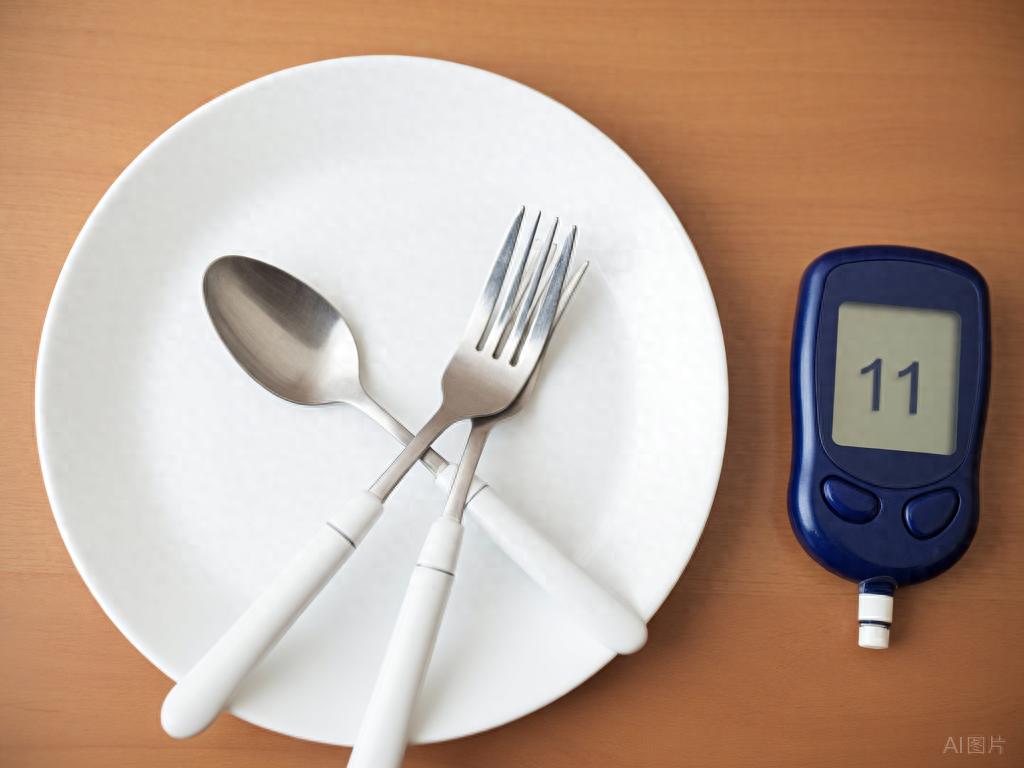
If you care about blood sugar control or want to stay away from diabetes, you must read this article. You may be doing these post-meal habits every day without realizing the hidden concerns they bring.
1. ❌ Lying down and staying inactive after meals
Common scenario: After eating and drinking to satisfaction, leaning back on the sofa or chair, scrolling through your phone or watching TV.
The issue:
Post-meal is a peak period for blood sugar elevation. If you immediately sit or lie down, the body's metabolism slows down, making it easier for blood sugar to spike sharply. Research shows that sitting still after a meal can result in blood sugar peaks about 28% higher compared to engaging in light activity.
✅ Recommended approach:
After resting for 10–15 minutes following a meal, engage in light activities such as a 15–20 minute walk, washing dishes, or tidying up the room. There's no need for vigorous exercise; simple activities can significantly improve post-meal blood sugar response.
2. Eating fruit immediately after a meal
Common scenario: Treating fruit as a "dessert after a meal" and enjoying it immediately after eating.
The Problem:
Having already consumed a large amount of carbohydrates during the main meal, eating fruit immediately afterwards adds extra sugar intake, leading to an increased glycemic load. Although the fructose in fruit is natural, excessive amounts can still affect blood sugar stability.
✅ Recommended Approach:
Have fruit as a snack between meals (e.g., around 10 AM or 3 PM). If you want fruit after a meal, wait at least 1-2 hours to allow some digestion of the main meal first.
3. Drinking soup to "fill the gaps" after a meal
Common scenario: The northern tradition of "drinking soup after a meal," or not drinking enough during the meal and making up for it with a bowl afterward.
After a meal, the stomach is already largely filled. Drinking soup at this point can overstretch the stomach wall and may affect gastric motility over time. Additionally, the rapid entry of liquids into the intestines may accelerate gastric emptying, leading to a rapid rise in blood sugar.
✅ Recommendation:
Adjusting Soup Drinking Sequence—Switch to drinking a small amount of clear soup before meals (half a bowl is sufficient) to increase satiety and help control main meal intake. If you prefer drinking soup after meals, please wait at least 30 minutes or longer.
4. Drinking strong tea immediately after a meal
Common Scenario: Especially among middle-aged and elderly individuals, many enjoy brewing a pot of strong tea immediately after a meal to cut through the greasiness.
The Issue:
The tannic acid in tea can interfere with the absorption of nutrients such as iron and protein. For individuals with diabetes who require balanced nutrition, this may be detrimental to overall health. Additionally, strong tea may stimulate gastric acid secretion.
If you wish to drink tea after a meal, opt for a light tea and wait at least 30 minutes. An even better choice is to have a small glass of plain water, which aids digestion without interfering with nutrient absorption.
5. Smoking a cigarette after a meal (Special reminder!)
Common scenario: "A cigarette after a meal feels better than being a living immortal"—many people use this as an excuse.
After a meal, blood circulation speeds up, and smoking at this time allows harmful substances like nicotine to enter the bloodstream more quickly, doubling the damage! Smoking itself increases insulin resistance and worsens diabetes.
✅ Recommended Practice:
Quit smoking completely! If that’s difficult for now, at least avoid smoking immediately after a meal—it's best to wait at least 2 hours. Replace this dangerous habit with alternatives like rinsing your mouth or taking a walk.
Healthy Golden Rules After a Meal
"Get Moving" Principle: Engage in light activity for 20 minutes after a meal.
"The Wait a While" Principle: Fruits, desserts, and similar items should be considered only at least one hour after a meal.
"The Order Adjustment" Principle: Following a meal sequence of soup → vegetables → meat → staple foods is more beneficial for maintaining stable blood sugar levels
"Regular and Measured" Principle: Maintain consistent eating habits and avoid binge eating
A gentle reminder: If you already have blood sugar issues, adjusting these habits may lead to more significant improvements. Health lies in the details—start checking your post-meal habits today!