What Type of Rice Is Best for Diabetics to Keep Blood Sugar Stable? Choose the Right Type + Cook It Right = Steady Blood Sugar!
“With diabetes, can I still eat rice?” This is a common concern among many people with diabetes. Don’t worry—today, I’ll teach you how to eat rice smartly, enjoying staple foods while keeping your blood sugar stable!
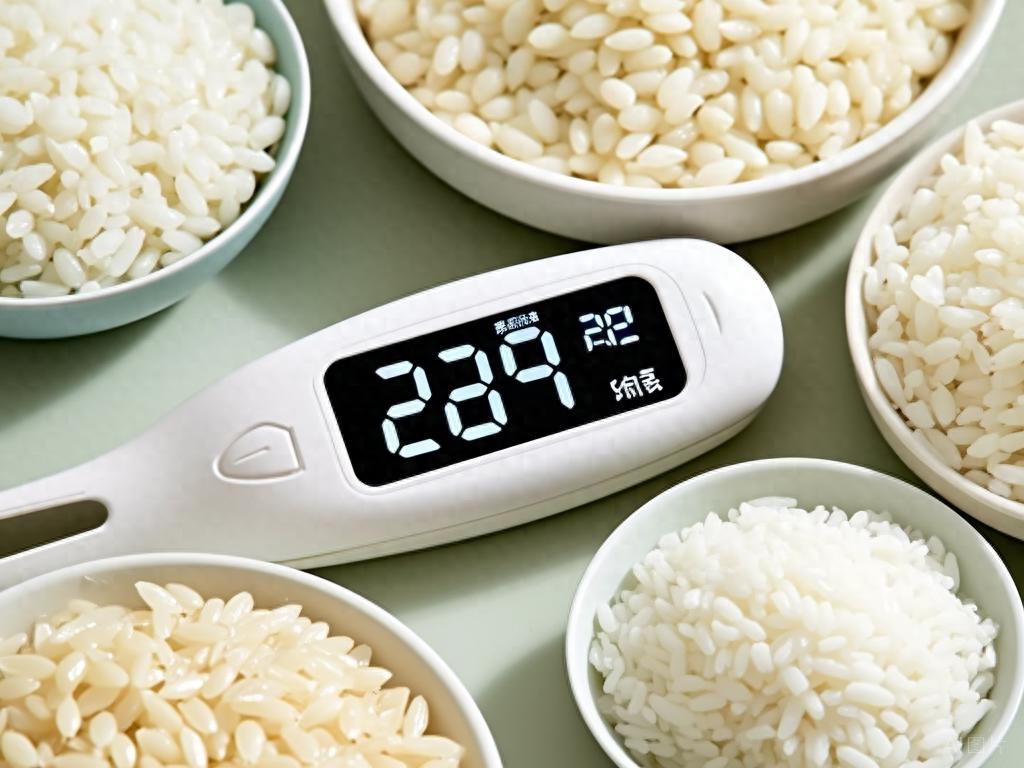
Step 1: Choose the Right Rice—The Glycemic Index Makes a Big Difference
✅ Recommended Choices (Lower Glycemic Index)
Brown Rice
Retains the rice bran and germ, rich in dietary fiber
Glycemic index is over 30% slower than white rice
Recommendation: Beginners can start with a "white rice + brown rice" mix
Black Rice/Purple Rice
Rich in anthocyanins, with strong antioxidant capacity
Slightly hard texture, requires soaking in advance
Suitable for making mixed grain rice or porridge
Millet
Small yellow grains, easily digestible
Can be cooked alone or mixed with rice
Note: Cooking into porridge raises blood sugar relatively quickly
Oatmeal grains
High in β-glucan, helps control blood sugar
Requires longer cooking time
Recommended ratio: white rice:oatmeal grains=2:1
⚠️ Caution in Selection
White Rice: Rapid glycemic index increase; control intake as much as possible.
Glutinous Rice Products: Extremely rapid glycemic index increase (e.g., zongzi, rice cakes).
Highly Processed Rice Products: Rapid glycemic index increase (e.g., rice noodles, vermicelli)
Tips:
When purchasing, remember the principle: "The darker the color, the less processed, the better for blood sugar control!"
Step Two: Cook the Rice Properly – Three Techniques to Lower the Glycemic Index
Technique One: Add Some "Extra Ingredients"
Legume Partners: Red Beans, Mung Beans, Kidney Beans (Soaked in Advance)
Whole Grain Companions: Quinoa, Buckwheat, Coarsely Ground Corn
Recommended Ratio: White Rice:Whole Grains = 1:1 or 1:2
Technique Two: Control Water Amount and Cooking Time
Cook dry rice, less porridge: Porridge has a high degree of gelatinization, causing a rapid increase in blood sugar.
Use moderate amount of water: Reduce water by 10% compared to usual, making the rice slightly firmer.
Cooking time: Use the "mixed grain rice" mode on the rice cooker.
❄️ Technique Three: Skillfully Use the "Cooling Method"
Let the cooked rice cool slightly after cooking
Forms resistant starch during the cooling process
Reduces glycemic effect by 10-20%
Can be reheated after refrigeration (pay attention to storage hygiene)
Step 3: Pair Wisely — Balance Nutrition for Better Blood Sugar Control
Golden Pairing Formula:
Staple Food + Protein + Vegetables + Healthy Fats
️ A Sample Meal:
Brown rice 1 small bowl (about 100-150g)
Steamed fish 1 serving
Blanched spinach 1 large bowl
Drink some soup before meals (light and low in oil)
⏰ The Order of Eating Matters:
Soup → Vegetables → Protein → Staple Food
Eating in this way can effectively delay the rise in blood sugar!
Snack Techniques:
If there is a risk of hypoglycemia between meals, you can prepare:
A few whole-wheat crackers
A small handful of nuts
Half an apple
Practical Quantification Guide
Recommended main course portion per meal:
Male: 75-100 grams of raw rice (approximately one bowl when cooked)
Female: 50-75g uncooked rice (cooked amount roughly equals a little over half a bowl)
Using a standard rice bowl for measurement is more intuitive.
Monitoring Reminder:
Remember to test after trying a new rice variety or combination
Blood Sugar Before Meals
2-Hour Postprandial Blood Sugar
Understand Your Body's Response!
Special Tips
What to do when eating out?
Choose "five-grain rice" or "multigrain rice"
If only white rice is available, remove the top layer (which absorbs the most oil)
Rinse off excess grease with hot water
Different family tastes?
Cook a pot of "layered rice": white rice at the bottom, mixed grains on top
Scoop out the mixed grains portion for the diabetic first, then add white rice and cook a while longer
Remember these three sentences:
Total quantity control is more important than variety
Eat slowly, chewing each bite more than 20 times
Post-meal activity, a 15-minute walk works well
❤️ Warm reminder
Each person's blood sugar response varies, and these suggestions need to be adjusted according to individual conditions. When starting to try a new dietary approach, please increase blood sugar monitoring and maintain communication with a dietitian or doctor.
Managing blood sugar is not an exercise in austerity, but rather an art of intelligent eating. By choosing the right rice, cooking it correctly, and eating it appropriately, you can fully enjoy delicious food while safeguarding your blood sugar health!