Diabetes Expert In-Depth Explanation: There Are 5 Levels of Glycated Hemoglobin—Check Which Segment You’re In?
Uncle Wang once again walked into the consultation room holding his test report. “Director, I check my blood sugar every day and it’s always fine. Why do I have to come back every three months to test this glycated hemoglobin?”
In the expert consultation room of Lanzhou Ruijing Diabetes Hospital, Deputy Chief Physician Ren Shuhong often faces such questions. Many diabetes patients believe that daily blood glucose monitoring is sufficient and feel puzzled or even somewhat resistant to the need for glycated hemoglobin (HbA1c) testing every 2-3 months.
"This is by no means redundant." Director Ren Shuhong always patiently explains, "If daily blood glucose monitoring is the 'daily quiz,' then glycated hemoglobin is the 'quarterly exam'—it gives us a truer picture of blood glucose control."
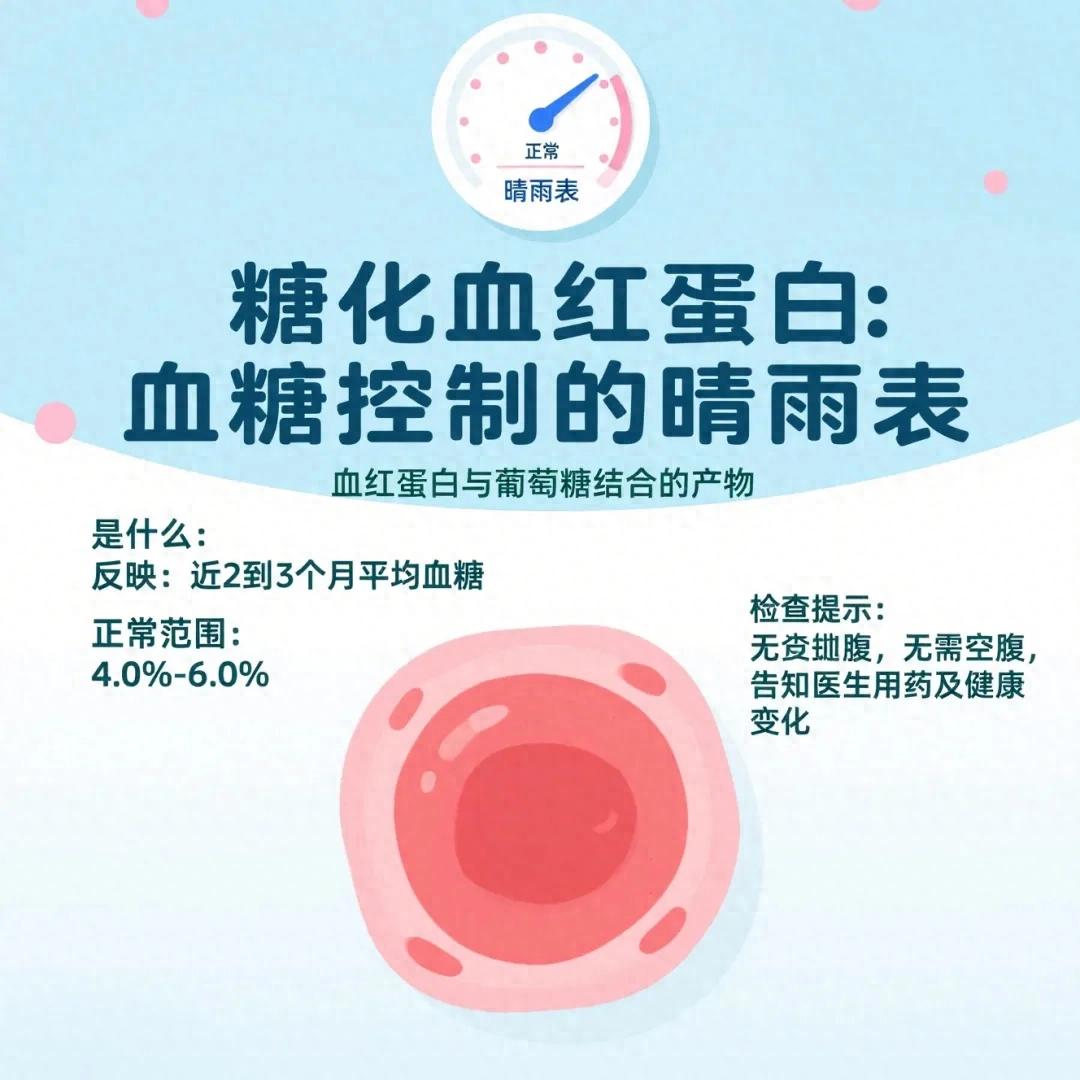
01 "Long-Term Memory" of Blood Sugar: What Exactly is Glycation?
Director Ren Shuhong enjoys using a vivid analogy to explain to patients: "Our blood is like a river transporting nutrients, and hemoglobin is like the boats in the river, responsible for carrying oxygen throughout the body."
"When blood sugar (glucose) meets these 'small boats', they gradually combine to form glycated hemoglobin. This process is like spreading sugar water on dry bread—once applied, it’s hard to separate."
The formation of glycated hemoglobin is slow and irreversible, which is precisely its value. It reflects not the blood sugar level on a specific day or moment, but the average blood sugar level over the past 2–3 months.
"Even if you eat something very sweet on a particular day or experience temporary blood sugar spikes due to emotional fluctuations, the glycated hemoglobin value won’t 'overreact,'" explained Director Ren. "It is objective and stable, unaffected by momentary fluctuations, and provides a more accurate reflection of long-term blood sugar control."
However, Director Ren also emphasized that glycated hemoglobin is not a "universal indicator." Under certain special circumstances, such as during the mid-to-late stages of pregnancy, recent blood transfusions or blood loss, or in the presence of certain blood diseases, this indicator may become unreliable and require doctors to make a comprehensive judgment in combination with other tests.
02 The Five Levels of Glycated Hemoglobin: Which Level Are You At?
Director Ren Shuhong prepared a clear chart in the consultation room to help patients understand the meanings of different HbA1c values:
Ideal Range (6%-7%): Blood glucose control is relatively ideal
"You're doing great! This indicates your insulin secretion approximates the normal physiological curve, and your blood glucose levels are close to the healthy range. Continue maintaining a healthy lifestyle, and combine with medication treatment when necessary."
Alert Range (7%-8%): Blood glucose control is moderate
"Enhanced management is required. Blood glucose levels have exceeded the optimal range. It is necessary to strengthen dietary and exercise management, and oral antidiabetic medication may need adjustment."
Danger Zone (8%-9%): Suboptimal Blood Glucose Control
。”
"This requires immediate attention! Blood glucose levels are significantly above the target range, increasing the risk of complications. More active lifestyle adjustments and consideration of combination drug therapy are necessary."
High-Risk Zone (>9%): Poor Blood Glucose Control
"Take immediate action! Severe blood glucose dysregulation, high risk of hyperglycemic crisis, and susceptibility to complications. Urgent medical intervention and treatment plan adjustment are required."
Director Ren particularly emphasized, "For type 2 diabetic patients at risk of cardiovascular disease, maintaining glycated hemoglobin below 6.5% can effectively prevent vascular complications."
03 Why Must It Be Checked Every Three Months? The Scientific Rationale Behind It
"Many diabetic patients ask me, why must it be every 2–3 months? Can’t it be longer or shorter?" Director Ren Shuhong explained this from a medical perspective.
"This is closely related to the lifespan of red blood cells. The average lifespan of red blood cells in our bloodstream is approximately 120 days. Glycated hemoglobin reflects the extent to which glucose has bound to red blood cells over their entire lifespan."
"If the testing interval is too short, such as one month, it cannot fully reflect the true state of blood sugar control. If the interval is too long, such as six months or a year, it may miss the optimal timing for timely adjustments to the treatment plan."
Director Ren shared a case: "Last year, a patient felt quite well and their daily blood sugar readings 'looked good,' so they extended their follow-up interval to six months without consulting a doctor. When they returned for a checkup, their hemoglobin A1c had risen from 7.1% to 8.6%, and their blood sugar had spiraled out of control without them even realizing it."
"Regular check-ups are like regular car maintenance—they help identify issues early and prevent minor problems from becoming major ones," she added. "If blood sugar control is stable, type 2 diabetes patients may appropriately extend their follow-ups to every six months, but this decision must be made under a doctor's guidance."
04 Beyond the Numbers: How HbA1c Guides Treatment
"Hemoglobin A1c is more than just a number; it's a critical foundation for treatment decisions," emphasized Director Ren Shuhong.
When glycated hemoglobin levels rise, doctors will analyze the causes from multiple perspectives:
Has dietary control been relaxed?
Is exercise regimen consistently maintained?
Do medications need adjustment?
Are there other influencing factors present?
"We once had a patient whose HbA1c suddenly rose from 6.8% to 7.9%. After detailed questioning, we discovered that during that period, due to high work stress, he frequently stayed up late and had irregular eating habits. We helped him adjust his daily routine and stress management methods, while also making appropriate adjustments to his medication. After three months, upon rechecking, his HbA1c had dropped back to 7.0%."
Director Ren emphasized that the HbA1c test can also help uncover some underlying issues: "For example, in patients with unexplained coma, checking HbA1c can help determine whether it is related to diabetes."
More importantly, this indicator is directly linked to the risk of complications. Studies have confirmed that the higher the HbA1c level, the greater the risk of developing cardiovascular and cerebrovascular diseases, kidney disease, retinopathy, and neuropathy.
After listening to Director Ren's explanation, Uncle Wang in the consultation room finally understood: "So this test is so important—it's like my 'semester report card' for blood glucose control, showing how well I've been managing it during this period."
Director Ren Shuhong nodded with a smile, "Exactly. Daily blood glucose monitoring is like 'homework,' while HbA1c is the 'exam result.' Only by diligently completing homework every day can one achieve good scores."
Expert Reminder:
Director Ren Shuhong concluded by reminding all people with diabetes, "It is essential to take the HbA1c test seriously and follow your doctor's advice to have it checked regularly. This is not an unnecessary test, nor is it intended to make you spend more money. Instead, it is for more precise blood glucose management, preventing complications, and helping you achieve a healthier and longer life."