Elevated Postprandial Blood Sugar in Diabetes: Same Meal, Why Do Others Maintain Good Glucose Levels? The Secret Lies Here!
Have you noticed at gatherings: with the same dishes, some people’s postprandial blood sugar remains rock-solid, while others skyrocket like a roller coaster? This reveals the secret behind individualized diabetes management!
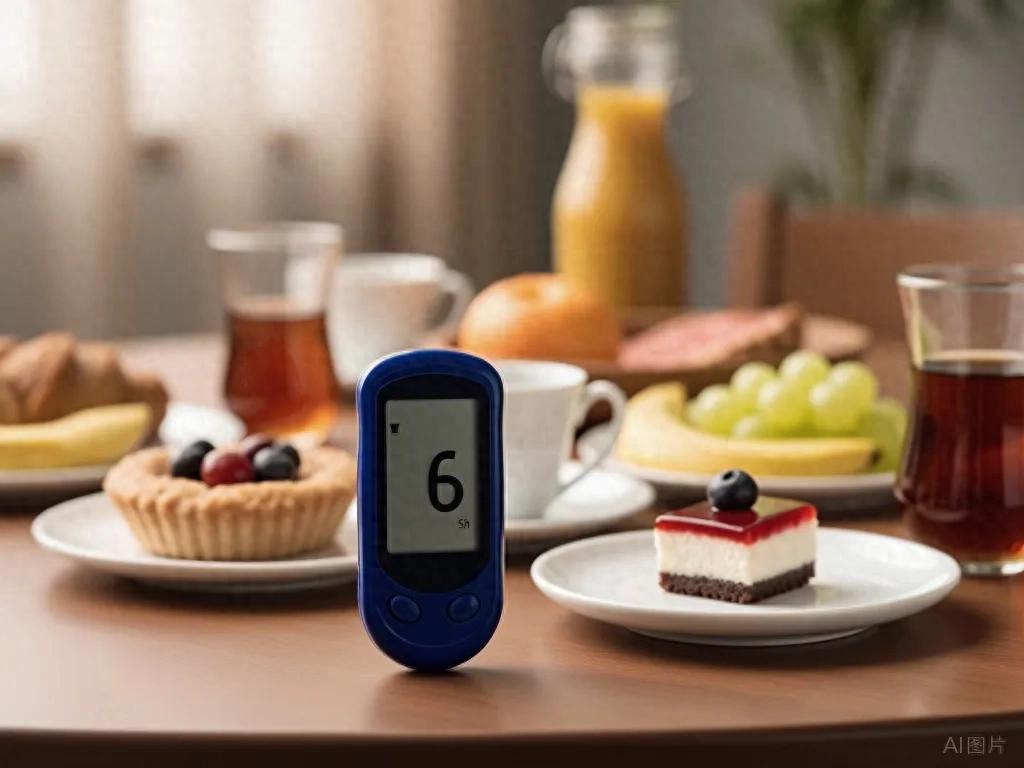
Physiological Differences: Everyone Is "Custom-Made"
Insulin Sensitivity Varies
Degree of Insulin Resistance: Individual cells have different "responsiveness" to insulin
Islet Function Reserve: There are individual differences in the pancreas's ability to secrete insulin
⏳
⏳ Diabetes Disease Course: Patients newly diagnosed versus those with long disease duration have different metabolic states
Unique metabolic profiles
Gastric emptying rate: some digest quickly, others digest slowly
Hepatic gluconeogenesis: varying nocturnal liver glucose production capacity affects fasting blood sugar
Gut microbiome: each person's "intestinal microcosm" is different
️ Eating Techniques: Details Determine Blood Sugar Success
1️⃣ There's a Secret to the Order of Eating
Recommended Order: Vegetables → Protein → Staple Food
Research shows this order can reduce postprandial blood sugar spikes by 1-2 mmol/L!
2️⃣ Eating Speed Makes a Big Difference
Slow Eaters: Chew thoroughly and eat slowly, blood sugar rises gradually
Fast Eaters: Devour food quickly, blood sugar spikes instantly
⏰
⏰ Recommendation: Spend at least 20 minutes per meal, chew each mouthful 15-20 times
3️⃣ Food Temperature is Also Critical
❄️
❄️ Cooled Staples: Some starch converts to resistant starch, causing slower blood sugar rise
Freshly Cooked Hot Foods: Higher degree of starch gelatinization, easier to absorb
The Wisdom of Food Pairing
Golden Combination Formula:
Staple Food + Protein + Vegetables + Healthy Fats
Comparison Example:
Eating a bowl of plain white rice alone: rapid rise in blood sugar
Half a bowl of rice + chicken breast + broccoli + a few nuts: stable rise in blood sugar
Practical pairing tips:
Rice with legumes: dietary fiber in legumes slows down sugar absorption
Bread with eggs: protein "buffers" the blood sugar rise from carbohydrates
Fruit with nuts: Fats and proteins slow down fructose absorption
Synergistic coordination between medication and diet
The timing gap is crucial:
⏰ Medication/Insulin timing: Whether it aligns with meal times
Type of Medication: Different hypoglycemic agents have varying mechanisms of action and require corresponding dietary coordination.
Individualized Adjustment:
Record a "Food-Medication-Blood Glucose" Triple Chart: Find your optimal combination.
Regular Follow-up Visits: Adjust the treatment plan based on blood glucose profiles
The Subtle Influence of Postprandial Activity
Timing of Activity:
♂️
♂️ Walking for 15-30 minutes after meals: Can reduce blood sugar by 1-3 mmol/L
⏱️
⏱️ Optimal start time: 30-60 minutes after meals
Activity Intensity:
Light activity: walking, household chores
Moderate activity: brisk walking, tai chi
Select based on individual condition, avoid exercising on an empty stomach or engaging in strenuous activity
Monitoring skills: understand your blood glucose "language"
It's not just about measuring "numbers":
Measuring Blood Glucose Curves: Pre-Meal, 1-Hour Post-Meal, 2-Hour Post-Meal
Identify Patterns: Which Foods Cause Your Blood Glucose to "Overreact"
Record Details: Not Just What You Eat, but Also How Much, How You Eat, and When You Eat
Practical Monitoring Strategies:
Key Monitoring Days: When Trying New Foods
Comparative Monitoring: Blood Sugar Responses to Different Ways of Eating the Same Food
Sharing and Communication: Discuss Monitoring Results with Doctors or Fellow Diabetes Patients
Steps for Developing Personalized Dietary Plans
Step 1: Self-observation
Record your diet, blood sugar levels, and activity in detail for 1–2 weeks
Step 2: Identify patterns
Pinpoint the foods and situations that cause your blood sugar to "spike out of control"
Step Three: Make Gradual Adjustments
Change only one variable at a time and observe the effects
Step Four: Establish a Personalized Plan
Develop a "safe foods list" and "dietary red lines" that work for you
Important Reminder
No two cases of diabetes are exactly the same!
What others can eat, you may not be able to; what others should avoid, you might be able to enjoy in moderation.
Key Principle:
✅
✅ Listen to Your Body's Signals: Pay Attention to How You Feel After Eating
✅ Trust Scientific Monitoring: Let Your Glucometer Data Speak
✅ Maintain an Open Mind: Continuously Adjust and Optimize
✅ Seek Professional Help: Work Closely with a Nutritionist and Doctor
Friendly reminder: Managing diabetes through diet is both a personalized science and an art of practice. Don't get discouraged by a single spike in blood sugar, nor blindly copy someone else's "successful experience." Finding an eating pattern that fits your own body's rhythm is the key to long-term, stable blood sugar control
If you have unique tips for managing your blood sugar, feel free to share them in the comments section!