Feeling panicked about a positive HPV result? Colposcopy is the "clairvoyant eye" for cervical health.
First, Understand: What Exactly is a Colposcopy
Simply put, it is a high-definition magnified examination of the cervix and vagina. It can magnify cervical tissue by 10 to 40 times, allowing doctors to see tiny lesions invisible to the naked eye. Additionally, through staining with acetic acid and iodine solutions, abnormal cells can be revealed. More importantly, if suspicious areas are detected, a small amount of tissue can be directly collected for biopsy. The pathological result serves as the gold standard for diagnosis, helping to avoid missed diagnoses or overtreatment.
II. These 3 Types of Individuals Must Undergo Colposcopy!
1. Individuals with high-risk HPV positive statusEspecially HPV16/18 types (causing 70% of cervical cancers), or persistent infection with other high-risk types for more than 1 year;
2. Individuals with abnormal TCT resultsFor example, if the report indicates "atypical squamous cells" or "low-grade/high-grade lesions," further clarification of the nature is required.
3. Individuals with abnormal symptoms or medical historyPostcoital bleeding, postmenopausal vaginal bleeding, bloody vaginal discharge, or a history of cervical lesion treatment (such as after conization) require follow-up.
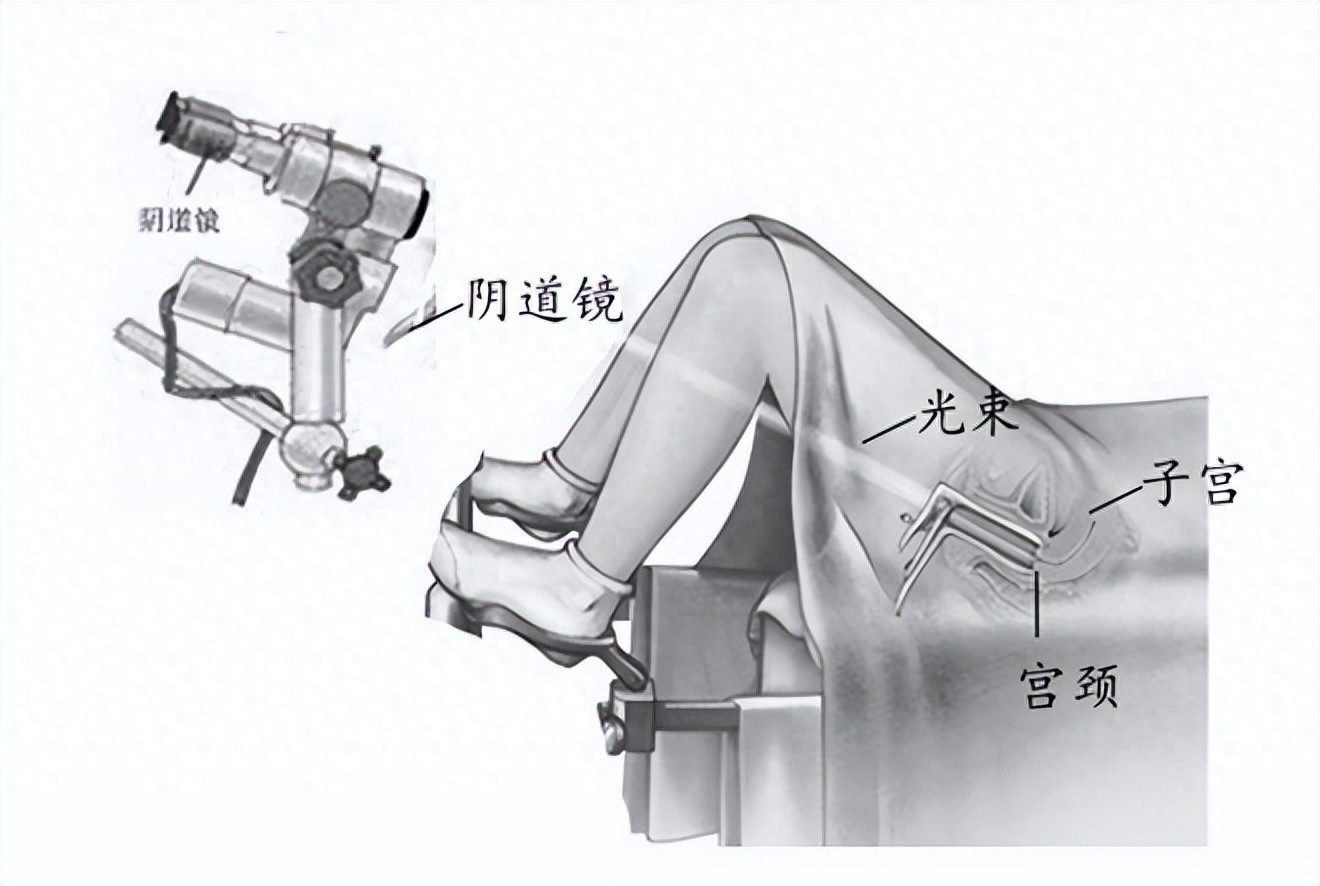
III. Its Core Significance: Three "Life-Saving Functions"
1. Early detection of precancerous lesionsCervical cancer development takes 10-20 years. Colposcopy can detect problems as soon as HPV infection causes cellular abnormalities, at which point the cure rate is almost 100%.
2. Precise localization of lesionsAvoid blind biopsies! For example, some patients have abnormal TCT results, but the cervix appears normal to the naked eye. Colposcopy can accurately locate "hidden lesions," improving the diagnostic rate.
3. Guide Treatment + Monitor EfficacyDetermining the extent and severity of the lesion allows the doctor to decide whether to use medication, physical therapy, or surgery; follow-up examinations after treatment also rely on it to assess whether there is a recurrence.
IV. Avoid These Common Misconceptions!
Misconception 1: "Having a colposcopy means having cancer" — Wrong! Most cases involve inflammation or low-grade lesions, and early intervention can prevent cancer.
Misconception 2: "The examination is painful" – Truth: Only a biopsy may cause slight stinging pain (similar to menstrual cramps), and the entire process takes 10-15 minutes, which is tolerable.
Misconception 3 "Not Covered by Medical Insurance" A simple colposcopy costs 200-1000 yuan, and a biopsy costs 1000-2000 yuan, both of which are within the scope of medical insurance reimbursement.
Final reminder:
Women with sexual activity, don't wait for symptoms to get checked! HPV+TCT is the "initial screening," and colposcopy is the "refined screening." Only by combining these three can a strong defense for cervical health be built. If screening results are abnormal, don't panic or delay. Get a colposcopy promptly—early detection and early intervention make cervical cancer entirely preventable and manageable.