Infected with HPV = Cervical Cancer? Gynecologist Reveals: Only 3 Truly Effective Treatment Steps, Don’t Waste Your Money!
Patients come to the clinic in tears every day: "Doctor, I'm HPV positive — does that mean I have cancer?" First, let me reassure everyone — HPV infection ≠ cervical cancer! 80% of women will be infected with HPV in their lifetime, but over 90% can clear it with their own immune system; fewer than 1% actually progress to cancer.
But that absolutely does not mean you can ignore it! The key is to choose the right treatment direction and not fall for folk remedies or overtreatment that waste money and harm your body. As a gynecologist with 10 years of practice, today I will clearly explain the most practical treatment logic:
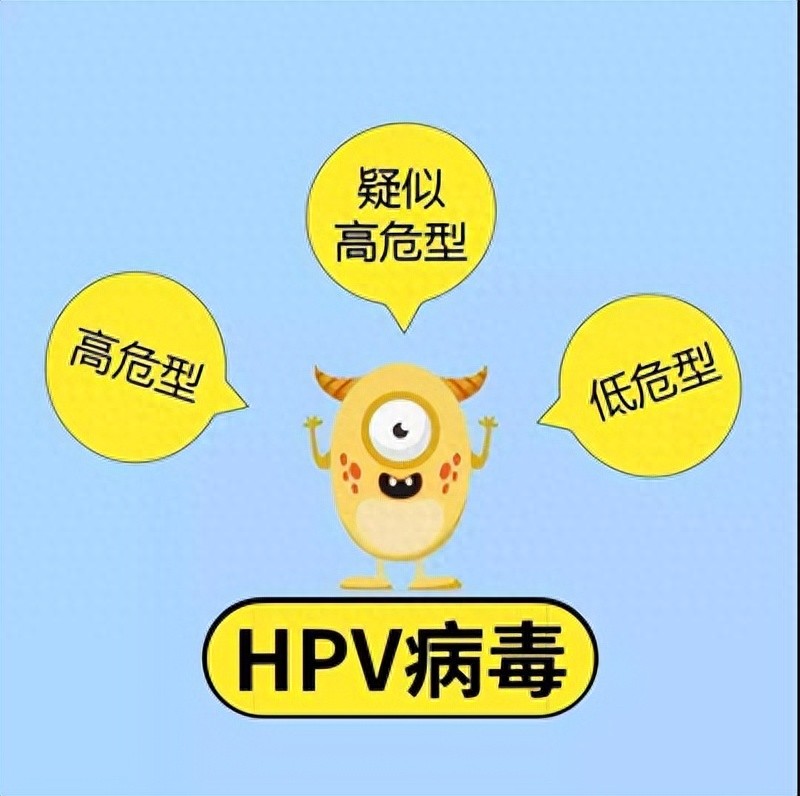
Step 1: First determine "whether to treat" — don’t blindly follow trends and use medication
。
You should first perform two tests: HPV genotyping + TCT / liquid-based cytology.
Low-risk HPV (types 6, 11, etc.): usually causes condyloma acuminatum; if there are no lesions, no special medication is needed—just regular follow-up; if lesions are present, remove them physically (laser, cryotherapy).
High-risk HPV (types 16, 18 are the most dangerous): if TCT is normal and only a simple positive result is present, don’t panic! There is no specific drug that can directly “kill the virus”; doctors will only recommend “boosting immunity + regular follow-up” (check every 6–12 months).
!
High-risk HPV + abnormal TCT (for example indicating “atypical squamous cells”): further colposcopy is required, and cervical tissue biopsy when necessary — only if biopsy finds lesions is targeted treatment required!
Step 2: Core treatment approach — rely on immunity to “defeat” the virus; it is ten times more effective than taking medication
Many people insist on finding a "special antiviral drug," but clinical evidence shows: no medication can directly eliminate HPV! The real "miracle cure" is your immune system.
Get enough sleep: ensure 7–8 hours of sleep each day; staying up late directly suppresses immune cell activity.
Eat right: eat more high-quality protein (eggs, milk, fish, meat) + fresh fruits and vegetables (to supplement vitamin C) + whole grains, and eat less high-sugar and fried foods.
Get moving: do aerobic exercise 3 times a week (brisk walking, yoga, jogging), at least 30 minutes each time, which can significantly boost immunity.
Get less angry: long-term anxiety and high stress can make immunity "go offline"; maintaining a good mood is more important than anything.
Step 3: Lesions appear? Here's how to handle them without making mistakes
If biopsy confirms cervical lesions (CIN1, CIN2, CIN3), don't be afraid — different lesions correspond to different management plans:
CIN1: Most regress spontaneously; continue observation + boost immunity, recheck every 6 months.
CIN2-3: This is a precancerous lesion and requires a "cervical conization" (removal of the diseased tissue); postoperative regular follow-up is still necessary to prevent recurrence.
Has progressed to early cervical cancer: Don’t panic! Timely surgery (such as hysterectomy) + subsequent adjuvant therapy yields a high 5-year survival rate; the key is early detection and early intervention.
Final reminder: 3 pitfalls to avoid that will spare you 90% of detours
Don’t trust "traditional Chinese medicine fumigation/washing or HPV miracle cures": they are either ineffective or may disrupt the vaginal microbiota and instead increase the risk of infection.
Avoid overtreatment: performing conization for isolated HPV positivity can damage cervical function and affect future fertility.
Male partners do not require routine testing: HPV is mainly sexually transmitted, but most infected men are asymptomatic and do not develop cancer, so special testing is unnecessary; practice safe measures instead.
HPV infection is like a "cervical cold" — the frightening part is not the infection itself but blind panic and incorrect treatment. Remember: regular screening + boosting immunity is the best weapon against HPV!
Share with the women around you; don’t let unnecessary anxiety wear you down — respond scientifically, HPV is not scary at all!