How does one develop cervical lesions? It doesn't happen suddenly; it's the result of three "risk accumulations"
"Doctor, I usually pay close attention to hygiene, so how could I develop cervical lesions?" This sentence is almost always standard when seeing patients with cervical lesions — many people think cervical lesions "come out of nowhere," but in fact they are the result of "long-term accumulation of high-risk factors," like "the frog in boiling water"; by the time symptoms appear, it is often no longer early. Today, as a gynecologist, I will break down the core logic of "developing cervical lesions": it is not caused by a single reason, but by the combined action of "persistent high-risk HPV infection + immune failure + unhealthy habits." Avoiding the repetitive "only talk about HPV" lets you see the real risks.

First, the key conclusion: for cervical lesions to occur, the core prerequisite must be "persistent high-risk HPV infection (over 2 years)," and only when this is combined with accomplices such as poor immunity and unhealthy lifestyle habits will infection slowly progress to "cellular abnormality" and eventually form lesions. Ms. Liu, age 32, was such a case: HPV16 positive for 3 years, long-term night shifts + smoking, did not have regular screening, and was ultimately found to have a high-grade lesion. Fortunately, timely surgical intervention prevented progression to cancer.
1. Main culprit: persistent infection with high-risk HPV (not a single infection!)
This is the "necessary condition" for cervical lesions — without persistent infection with high-risk HPV, cervical lesions almost never occur, but note:
Infection with HPV does not automatically mean disease: 80% of women will be infected with HPV at some point in their lives, but over 90% can clear it within 1–2 years by their immune system; only "persistent infection" (more than 2 years) will allow the virus to continuously stimulate cervical cells and cause cellular abnormalities;
High-risk types are the "critical" ones: HPV types 16 and 18 cause 70% of cervical lesions, followed by types 52, 33, 31, etc.; low-risk HPV (types 6 and 11) only cause condyloma acuminatum and do not trigger lesions;
The root of persistent infection: either poor immunity or repeated reinfection (for example, a partner carrying the virus). Ms. Zhang, age 45, was HPV18 positive for 4 years because her partner was not treated; after she turned negative she was reinfected by him, ultimately inducing a low-grade lesion.
2. Accomplice 1: poor immunity allows the virus to "hang on"
Immunity is the main force for clearing HPV; once immunity fails, the virus will take advantage of the opportunity and persist long-term:
Chronic late nights: sleeping fewer than 6 hours a day reduces immune cell activity by 30%, greatly diminishing virus clearance. Ms. Liu stayed up late every night watching shows, and her HPV16 remained positive for a long time without turning negative;
Poor diet: excessive consumption of high-sugar and fried foods suppresses immune cell function and increases vaginal glycogen, providing “nutrients” for viral replication;
Underlying disease / medications: diabetic patients with poor glycemic control and those on long-term steroid medications (e.g., rheumatoid arthritis patients) have suppressed immunity, doubling the risk of persistent HPV infection;
Smoking / Secondhand smoke: Nicotine directly damages immune cells and also accelerates malignant transformation of cervical cells. The risk of cervical lesions in women who smoke is 2.5 times that of non-smokers.
3. Accomplice 2: these sexual habits accelerate the progression of lesions
Sexual activity is the main route of HPV transmission; improper practices can lead to cumulative risk:
Early sexual activity / Multiple partners: Initiating sexual activity before age 20, when the cervical mucosa has not yet fully matured, reduces resistance; having more than 2 sexual partners greatly increases the probability of cross-infection with HPV;
Not using condoms: Condoms can reduce HPV cross-infection. Long-term unprotected sexual activity allows the virus to be repeatedly transmitted between partners, making clearance difficult;
Partner has high-risk factors: a partner who smokes or has a history of sexually transmitted infections (e.g., condyloma acuminatum, syphilis) increases a woman's risk of acquiring high-risk HPV.
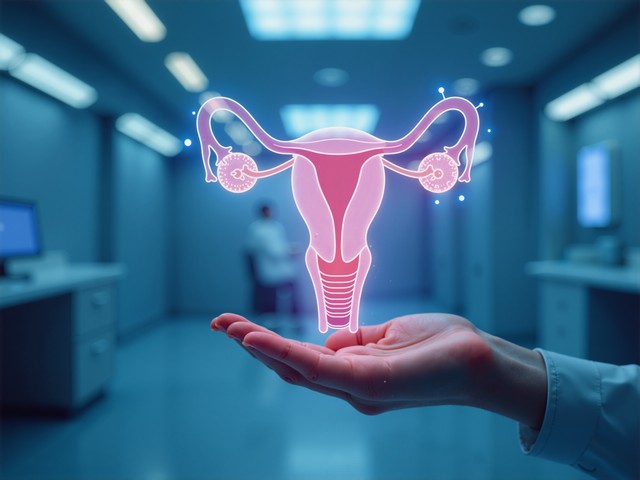
4. Accomplice 3: Neglecting screening and missing the optimal intervention window
Many people think "no symptoms means no problem," but they don't realize that early cervical lesions are almost asymptomatic; by the time there is postcoital bleeding or blood-tinged vaginal discharge, it is often already a mid-to-late stage:
Never screened: Women aged 21 and over who are sexually active and do not undergo regular TCT/HPV screening may have an HPV infection that goes undetected; by the time symptoms appear, it may have already progressed to high-grade disease;
Inadequate screening: For example, doing only TCT without HPV testing, or failing to follow up after a positive HPV result, can miss underlying risks. Li, age 28, tested positive for HPV52 but thought "no symptoms, so no need to worry"; three years later she had postcoital bleeding and was found to have high-grade disease, with deep regret.
Key reminder: Don't fall into these two misconceptions!
"Keeping clean will prevent lesions" → Wrong! Good hygiene habits can reduce the risk of vaginitis, but they cannot prevent HPV infection (primarily sexually transmitted). Even washing the vulva every day, one can still become infected with HPV;
"A smooth-looking cervix means no lesions" → Wrong! Many patients with cervical lesions have a cervix that appears smooth to the naked eye; the lesions are hidden in the endocervical canal and can only be detected by TCT/HPV screening.
How to avoid cervical lesions? Do these 3 things to cut the chain of risk
Prevent infection: receive the HPV vaccine (suitable for ages 9–45), use condoms during sexual activity, avoid early sexual debut and multiple partners;
Boost immunity: sleep 7–8 hours daily, eat less high-sugar and fried foods, quit smoking and avoid secondhand smoke, brisk walk 3 times a week (30 minutes each time);
Regular screening: ages 21–29 get a TCT every 2 years; after 30 get HPV+TCT every 1–3 years; if HPV positive, repeat testing according to recommended intervals; if HPV types 16 or 18 are positive, proceed directly to colposcopy.
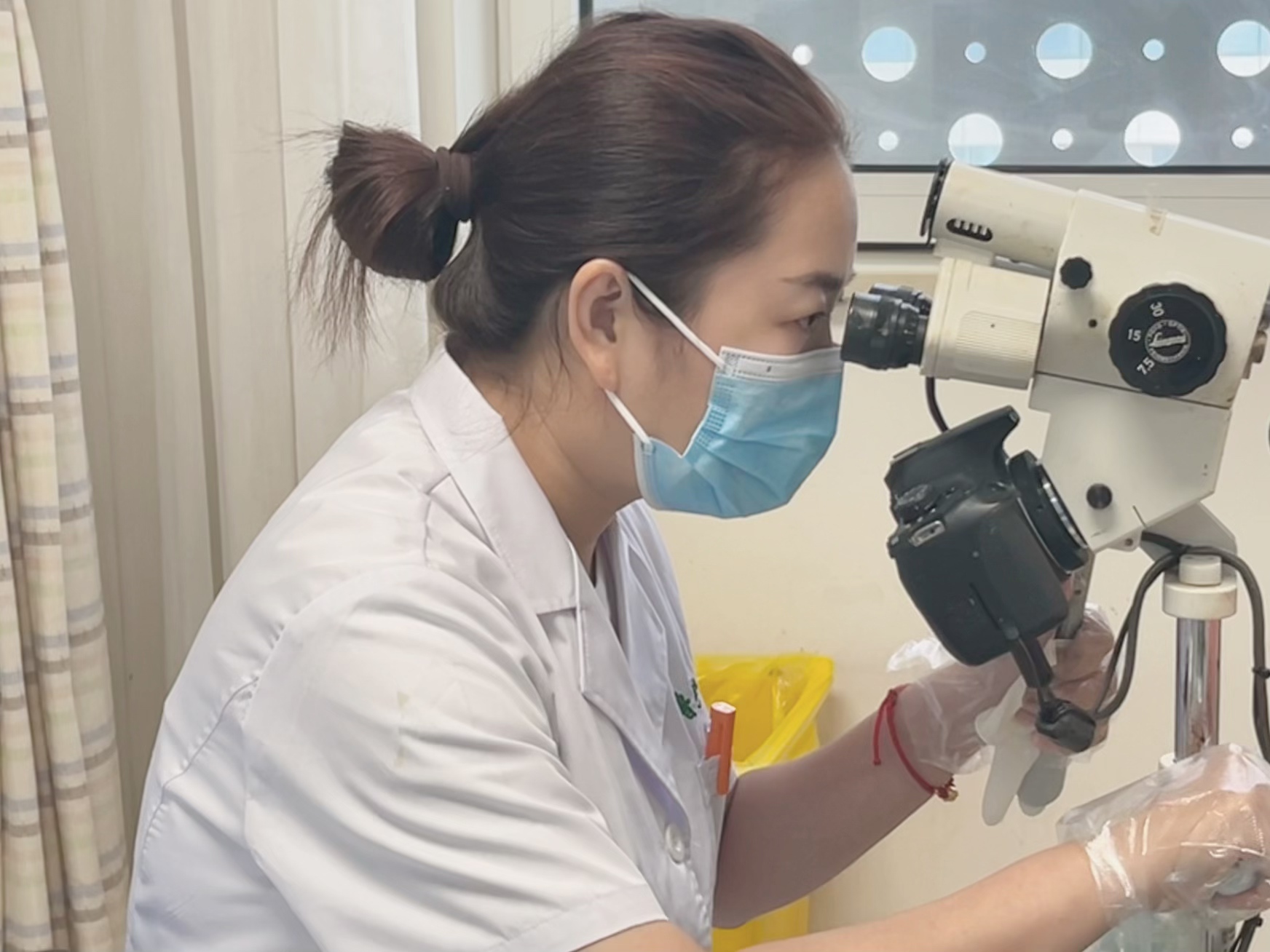
Finally, I want to tell you: cervical lesions do not “suddenly appear,” but are the result of “long-term accumulation of high-risk factors.” Their development is slow (it may take 5–10 years from persistent HPV infection to lesion); as long as you do “prevent infection + boost immunity + screen regularly,” you can very likely avoid them. If you currently have high-risk factors such as early sexual activity, multiple partners, or smoking, don’t delay—get a cervical screening as soon as tomorrow—early detection and early intervention: the cure rate for cervical lesions is over 95%, so there is no need to panic.
Remember: the key to health is not “avoiding all risks,” but “detecting and cutting off risks in time.” Your attention is the best protection for cervical health!