Is HPV58 high-risk positive the same as cervical cancer? Gynecologist: the answer in one sentence, no need to panic after reading
“Doctor, I tested positive for high-risk HPV58! Does that mean I already have cervical cancer?” Every day in clinic I encounter patients terrified by this result — HPV58 is highly prevalent among women in our country and its carcinogenic risk is second only to types 16 and 18. Many people see “high-risk” and “type 58” and immediately think of cancer, even losing sleep overnight. Today, as a gynecologist, I’ll give you a clear answer: a high-risk HPV58 positive result is absolutely not cervical cancer! It is merely a “virus infection with relatively high carcinogenic risk.” It takes 5–10 years for an infection to develop into cervical cancer, and it will only occur if two key conditions are met. Read this article and you’ll be rid of anxiety.
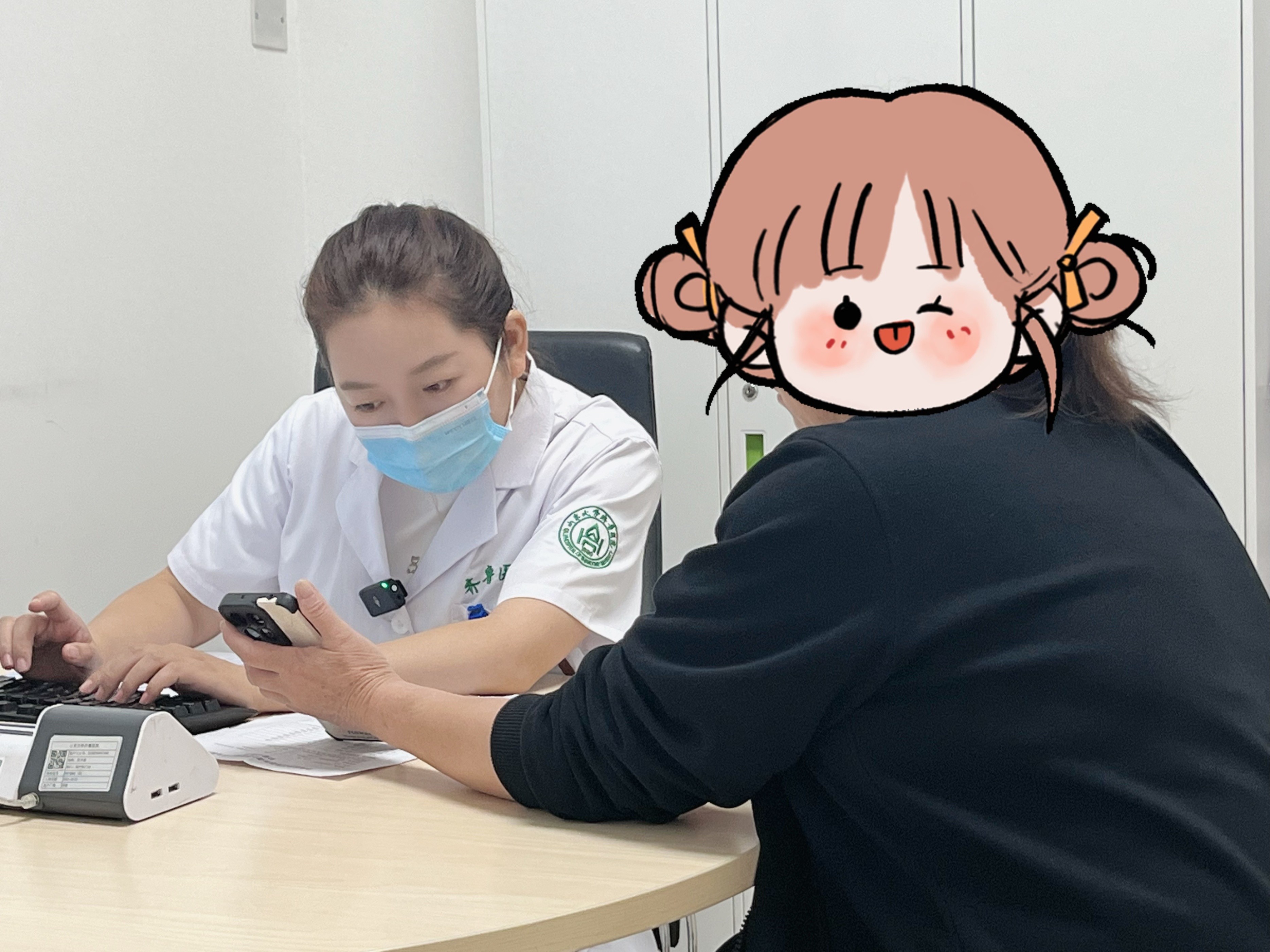
First, a reassurance: Ms. Wang, 35, tested positive for HPV58 and was terrified, thinking there was no hope. Her TCT was normal, and following my plan of “enhance immunity + regular follow-up,” she tested negative after one year; Ms. Li, 42, was HPV58 positive for 4 years and did not undergo standardized screening, and eventually was found to have low-grade cervical lesions. After timely intervention she also recovered smoothly — showing that between positivity and cancer there are still two major steps: “persistent infection” and “cellular abnormalities.”
1. First, understand: what exactly does HPV58 positive mean?
HPV58 is a high-risk HPV type; its infection rate is very high among Asian women, and its carcinogenic risk ranks third (after types 16 and 18), but its nature is a "viral infection," and its relationship to cancer can be simply understood as:
Infection with HPV58 = a "high-risk thief" has entered the body, but the thief will not necessarily steal anything (cause cancer);
Cervical cancer = the thief lives in the body for 5–10 years (persistent infection) and also damages the home's "defense system" (cervical cellular abnormalities), ultimately leading to "loss of property" (malignant transformation).
Clinical data show: women who are only positive for HPV58 infection without cervical cellular abnormalities have less than a 0.1% chance of developing cervical cancer; only when HPV58 persists for more than 2 years and cervical cells show abnormalities (an issue on the TCT report) will it slowly progress to cervical lesions and cervical cancer — a long process that can be intervened upon.
2. To progress from HPV58 positive to cervical cancer, two key conditions must be met
Condition 1: Persistent HPV58 infection for more than 2 years
This is the most crucial prerequisite! After infection with HPV, 80% of women can clear the virus within 1–2 years through their own immune response; only "persistent infection" (more than 2 years) will continuously stimulate cervical cells, causing them to gradually become abnormal. Sister Wang was able to convert to negative smoothly because her infection duration was short (only 6 months) and her immunity was relatively good; whereas Sister Li had persistent infection for 4 years before developing mild lesions.
Condition 2: Cervical cells show abnormalities (TCT report indicates problems)
This is the key step "from infection to cancer"! If the TCT report indicates "ASC-H (atypical squamous cells—cannot exclude high-grade lesion)", "LSIL (low-grade squamous intraepithelial lesion)", or "HSIL (high-grade squamous intraepithelial lesion)", it means cervical cells have already been stimulated by the virus and become abnormal; if the TCT is normal, even if HPV58 is positive for 1–2 years, it is very unlikely to progress to cancer, and continued monitoring is sufficient.
Simply put: HPV58 positive + normal TCT + short infection duration → basically no cancer risk; HPV58 positive + abnormal TCT + persistent infection over 2 years → then you need to be alert to risk of lesions.
3. If tested positive for HPV58, follow these 3 steps to stay safe and calm
Step 1: First look at the TCT report to judge the level of risk
If TCT is normal → no treatment needed; test HPV+TCT every 6 months, after converting to negative for 2 consecutive years switch to testing once a year;
If TCT is abnormal → immediately perform colposcopy + biopsy (gold standard) to determine whether there are cervical lesions;
Key point: If HPV58 is positive, even if TCT is normal, it is recommended to recheck every 6 months in the first year, because its carcinogenic risk is higher than other high-risk HPV types that are not 16 or 18.
Step 2: Boost immunity to help the virus turn negative as soon as possible
There is no specific drug for HPV; clearing HPV58 relies entirely on immunity. These 5 measures are simple and easy to implement:
Diet: 1 egg daily + 200 ml unsweetened milk (to supplement protein), lean beef twice a week (to supplement zinc), eat more broccoli and oranges (to supplement vitamins);
Routine: Go to bed before 23:00, ensuring 7–8 hours of sleep (staying up late can reduce immune cell activity by 30%);
Exercise: Brisk walk 30 minutes daily, or dance in the square twice a week (moderate exercise activates immunity);
Quit smoking and alcohol (nicotine can slow the rate of conversion to negative); use condoms for the entire duration of intercourse (to avoid cross-infection).
Step three: intervene promptly if these situations occur
Biopsy-confirmed low-grade cervical lesion → continue observation + boost immunity, follow-up every 6 months;
Biopsy-confirmed high-grade cervical lesions → perform cervical conization (remove the lesion); still require regular follow-up after surgery;
HPV58 positive persisting for 2 years without conversion to negative → perform colposcopy to rule out occult lesions, and use immunomodulators when necessary (e.g., interferon, use as directed by a physician).
4. Three common misconceptions — don’t fall into these traps!
"HPV58 positive = precursor to cervical cancer, must have surgery" → Wrong! A positive test alone does not require surgery; surgery can damage the cervical mucosa and actually reduce resistance. Only biopsy-proven lesions require treatment;
"HPV58 is safer than types 16 and 18, so it doesn’t need attention" → Wrong! Its carcinogenic risk is second only to types 16 and 18, and it is highly prevalent domestically; follow-up cannot be neglected;
"Once it turns negative you won't be reinfected, no need to test anymore" → Wrong! HPV does not confer lifelong immunity; after seronegativity reinfection is still possible, so annual routine screening is required.
Finally, I want to tell you:
HPV58 high-risk positive is only a "viral warning," not a "cancer verdict." Although its carcinogenic risk is high, with proper "TCT testing + immune strengthening + regular follow-up" the virus can very likely be eliminated before lesions develop; even if minor lesions appear, early intervention can achieve 100% cure.
If you are currently anxious holding a positive HPV58 report, don't panic. First check the TCT result carefully, and tomorrow take the report to a gynecology department at a reputable hospital for consultation — the doctor will help you develop an individualized plan. Your body has the ability to overcome the virus; what you need to do is trust it and support it, not be frightened by the words "high-risk"!
Remember: rather than panic, a scientific response is the best way to protect cervical health. HPV58 positivity is not terrifying; ignoring it or skipping screening is what is truly dangerous!