Bacterial vaginosis — don’t treat it blindly! A gynecologist teaches you a 3-step cure that prevents recurrence and protects the microbiota
1. First understand: this disease is not caused by “uncleanliness”!
Many women notice a fishy odor in their discharge or vulvar itching and assume it’s from not being clean — a big mistake!
The core of bacterial vaginosis (BV) is that the “good bacteria” (lactobacilli) in the vagina decrease, allowing “bad bacteria” (such as Gardnerella) to proliferate and disrupt the microbial balance.
Triggers are very common: frequent douching with cleansing solutions, wearing tight non-breathable underwear, frequent sexual activity, staying up late with decreased immunity, and even misuse of antibiotics can all trigger it.
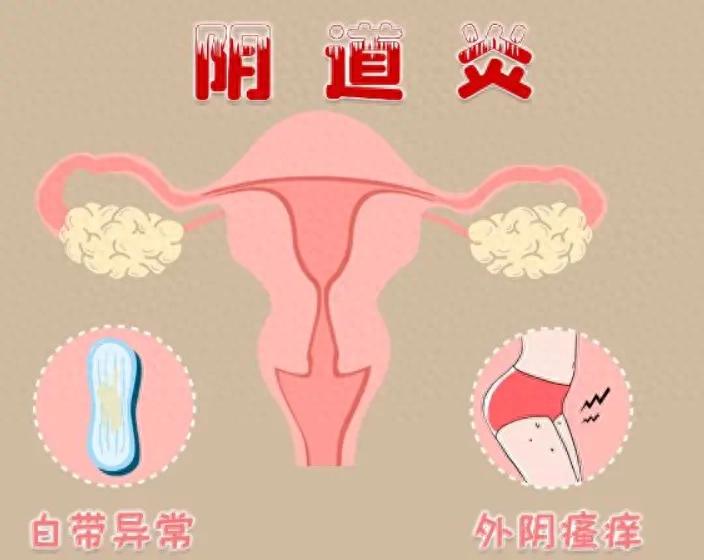
2. Three-step treatment: the “definitive cure plan” endorsed by doctors
1. Be aggressive with medication: follow the doctor’s prescription for the full course, and do not stop on your own!
• First-line option: metronidazole-class drugs (oral or vaginal suppositories), which precisely target pathogenic bacteria, with clinical cure rates over 80%.
Key point: oral medications may irritate the stomach—take after meals; suppositories act directly on the vagina, have fewer side effects, and can be used during breastfeeding under physician guidance.
• Second-line option: clindamycin ointment, suitable for patients allergic to metronidazole.
Misconception reminder: Do not buy “broad-spectrum antibiotics” and take them indiscriminately, as they will further kill beneficial bacteria and cause more frequent recurrences!
2. Stop “courting disaster”: these behaviors must be avoided!
• Vaginal douching is strictly prohibited: even if you feel "unclean," only wash the vulva with warm water; douching will completely disrupt the vaginal microbiota.
• Change to the right underwear: wear pure cotton, breathable styles, change daily, boil-wash and sun-dry (do not use fabric softener).
• Suspend sexual activity: having intercourse during treatment can cause cross-infection; if the partner has symptoms, they should be examined as well (men may be asymptomatic carriers of bacteria).
3. Rebuild the microbiota: after curing, don’t forget to “nurture the flora”
Symptom disappearance does not mean cure! After stopping medication, it is recommended to use a 1–2 week course of lactobacillus preparation (vaginal use) to help the beneficial bacteria "take up residence" and reduce recurrence rates.
Daily diet: eat more fermented foods such as yogurt and kimchi to supplement probiotics; eat less spicy and sweet foods (which promote growth of harmful bacteria).
3. Key reminders: these three misconceptions have been fallen into by 90% of women!
1. Stop medication as soon as symptoms disappear? → Recurrence rate doubles! You must complete the full course (usually 7–10 days), even if symptoms are gone.
2. Relying on douching to "kill bacteria"? → The more you douche the worse it gets! Douches kill the good bacteria along with the bad, actually worsening the condition.
3. Think "gynecological diseases are shameful" and dare not seek medical care? → If BV is not treated promptly, it may lead to cervicitis, pelvic inflammatory disease, and even affect pregnancy (increasing the risk of preterm birth). Early detection and treatment are the reliable approach!
Finally, to be frank:
BV is one of the most common vaginal inflammations in women. It is not frightening but tends to recur. If you have "foul fishy odor in vaginal discharge + grayish-white thin secretions + vulvar itching," first go to the hospital for a routine vaginal discharge test (confirmation takes only 20 minutes). Symptomatic treatment is the most cost- and time-effective method. Share with the sisters around you—don’t let misconceptions delay health!