HPV16: The Number-One Culprit of Cervical Cancer, 3 Truths 90% of Women Don’t Know
1. HPV16 is not an ordinary virus; it is the “prime killer” of cervical cancer
!
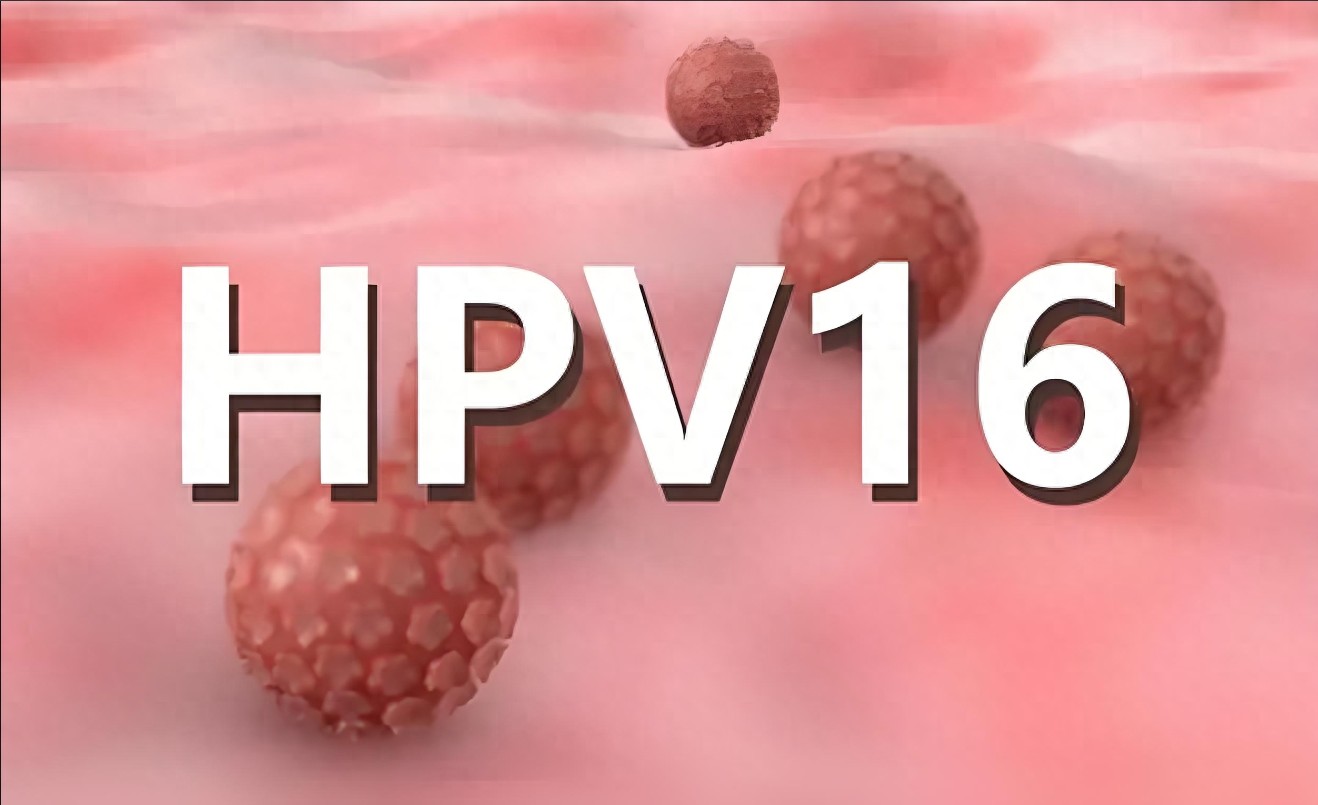
Many women have heard of HPV, but don’t realize how dangerous HPV16 is! The HPV (human papillomavirus) family has more than 200 subtypes; HPV16 is one of the most “virulent” — over 70% of cervical cancers worldwide are associated with it!
It doesn't attack like a cold virus; rather it behaves like an "invisible assassin": after infection there are almost no symptoms, it quietly hides in cervical cells, potentially for 5–10 years, gradually forcing normal cells to become cancerous. Even more frightening, its infection rate is extremely high: about 80% of sexually active women will be infected with HPV at some point in their lives, including HPV16.
2. Infection with HPV16 ≠ cancer! Remember these 2 key points
Many women panic when they receive an "HPV16 positive" report, but there is no need to!
1. Immunity is the "antivirus": most HPV16 infections are transient; a healthy woman's immune system will clear the virus within 1–2 years and will not cause lesions. Only persistent infection (longer than 2 years) increases the risk of cervical cancer.
2. Cervical lesions have "warning signs": the process from infection to cancer is long and passes through a stage of cervical intraepithelial neoplasia (CIN). During this stage there may be symptoms such as postcoital bleeding, blood-streaked vaginal discharge, increased and foul-smelling secretions; as long as these are detected and treated promptly, cervical cancer can be prevented 100%.
3. 3 “anticancer actions” to completely deal with the threat of HPV16
As a gynecologist, I emphasize these three points to patients every day — simple and easy to follow:
1. Get the HPV vaccine, the most effective "preventive shot": the bivalent, quadrivalent, and nonavalent vaccines all cover HPV16 (the bivalent is sufficient to protect against the core cervical cancer subtype). Women aged 9–45 can receive it; the earlier the vaccination, the stronger the protection. It can be given even after sexual activity has begun!
2. Regular screening to catch "hidden infections": women aged 21–65 should have a TCT (cervical cytology) every 3 years, or a combined TCT + HPV co-test every 5 years. Women positive for HPV16 should undergo colposcopy + biopsy to determine whether there are lesions.
3. Boost immunity so the virus clears naturally: keep a regular routine, avoid staying up late, exercise regularly (3 times per week, 30 minutes each time), eat less spicy and irritating food, avoid multiple sexual partners and smoking (smoking reduces immunity and increases the risk of persistent infection).
Finally, a heartfelt word:
HPV16 is not terrifying; ignorance and neglect are. It is not a “death sentence,” but a wake‑up call to “take cervical health seriously.” As long as you do “vaccination + regular screening,” you can keep cervical cancer at bay.
Sisters, stop avoiding screening and agonizing over “expensive vaccines” — take action now! In the comments tell us: have you been vaccinated? How long has it been since your last cervical screening? If you have questions, ask me anytime~