Is HPV in women transmitted by men? Gynecologist: The answer is clear—stop blaming your partner
"Doctor, I tested positive for HPV. Did my boyfriend give it to me? Is he cheating on me?" Every day in clinic I meet women whose positive HPV result has triggered a relationship crisis — many assume "HPV = sexually transmitted = partner unfaithful," even fighting or breaking up over it. Today, as a gynecologist, I'll give you a clear answer: when a woman has HPV, men are a major source of transmission, but not the only source! And in the vast majority of cases it has nothing to do with "infidelity." After reading this, don't wrongly accuse those around you.
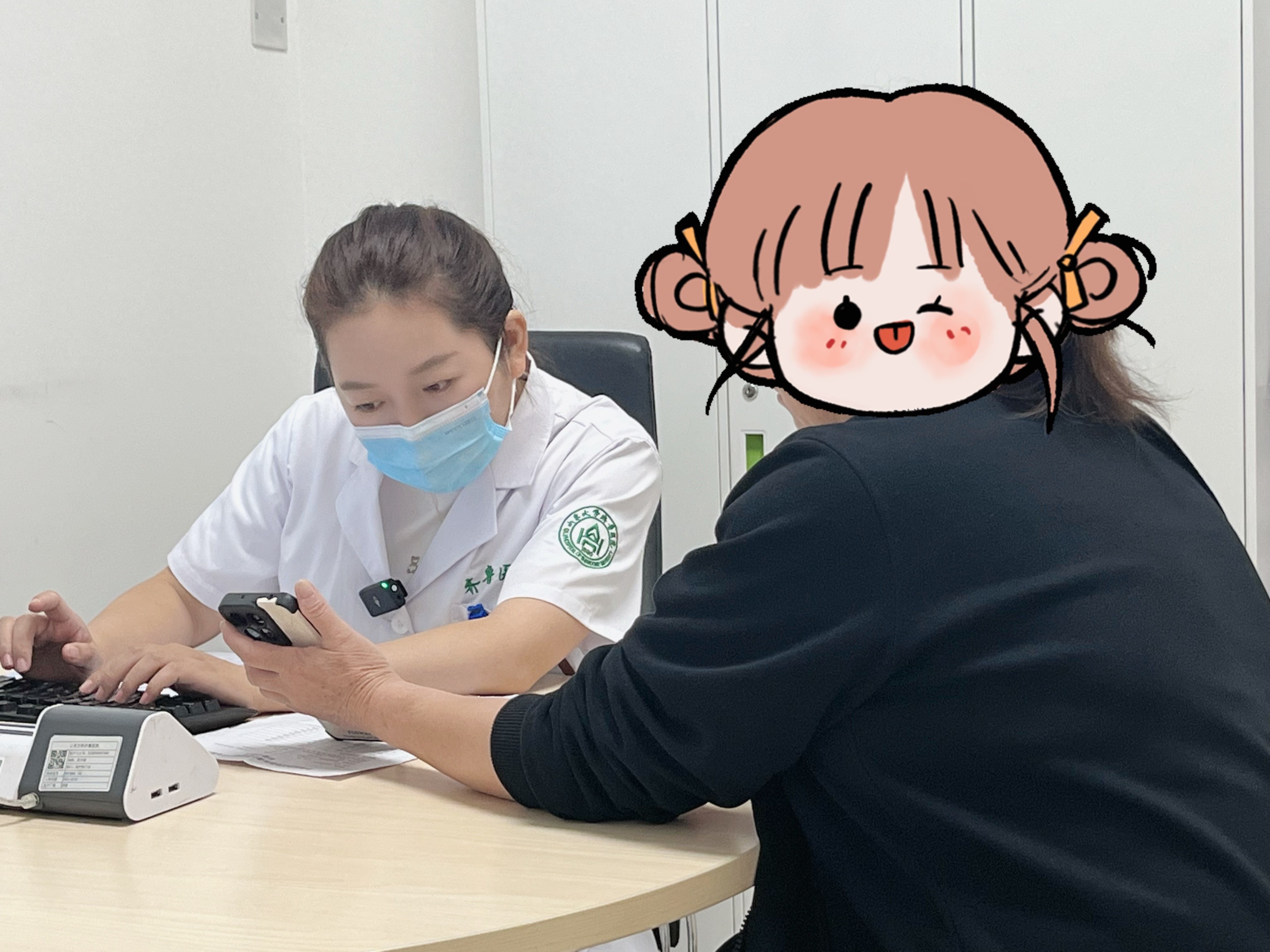
First, let me reassure you: 28-year-old Xiao Lin tested positive for HPV16 and had a big fight with her boyfriend; his HPV test was completely negative. Further inquiry revealed that Xiao Lin had used a hotel's shared bath towel six months earlier, so indirect transmission cannot be ruled out. 32-year-old Ms. Zhang tested positive for HPV52 and her boyfriend tested positive at the same time, but their relationship is stable with no cheating — it was long-term unprotected sex leading to cross-infection. As you can see, HPV transmission ≠ partner infidelity; you don't need to escalate to extremes as soon as a positive test appears.
1. Core conclusion: Men are a major source of transmission, but not the only one
HPV (human papillomavirus) is primarily transmitted through sexual contact; this is the medical consensus:
When women are infected with HPV, about 80%–90% acquire it through sexual activity from a male partner — men infected with HPV are often asymptomatic but can become carriers of the virus and transmit it to women through skin–mucosa contact;
However, this is not the only route; there are two other less common transmission modes:
Indirect transmission: contact with towels, toilet seats, underwear, etc., contaminated with HPV (extremely low probability; requires both “virus survival” and “skin or mucosal break” to occur);
Mother-to-child transmission: If a pregnant woman is infected with HPV, it may be transmitted to the newborn during delivery (rare, and most often low-risk HPV).
In short: men are the “main carriers” of HPV transmission, but not the “only carriers.” A positive test result should not be taken as definitive proof that the partner transmitted it, nor should it be used to directly accuse them of “infidelity.”
2. Why you shouldn't lightly blame your partner? Three key truths
HPV infection has a “latent period” and may be an “old issue”
After HPV infection, the virus may remain latent for months or even years before being detected. For example, if you test positive now, it could have been caused by an exposure one or two years ago and not necessarily by a recent partner. Ms. Wang, age 30, experienced this: she had been with her current boyfriend for one year and tested positive for HPV33 while her current partner tested negative. She later recalled that an ex had previously tested positive for HPV, making it highly likely that the earlier infection had remained latent until now.
Most men are asymptomatic after infection and don't even know
After men are infected with HPV, symptoms such as condyloma acuminatum rarely appear. Even if they carry the virus they are completely unaware and therefore cannot proactively inform their partner. Moreover, HPV infection in men is often transient; people with good immunity can clear it spontaneously within 1–2 years. It’s possible that when you test positive, he has already reverted to negative, just like Xiaolin’s boyfriend.
“Faithful partners” can also bring infection
Even if a couple’s relationship is stable and there has been no infidelity, HPV can still be transmitted through sexual activity—for example, a partner may have been infected before meeting you but never noticed; or may have had accidental exposure to the virus in public baths, swimming pools, or similar places (though the probability is low, it does exist).
3. If tested HPV positive, how should you interact with your partner?
Don’t blame — communicate first and investigate together
Calmly tell your partner, “HPV is mainly transmitted through sexual activity, but it may not be a recent infection; it could be a prior latent infection,” and suggest he see urology or dermatology/venereology to test for HPV (although HPV testing in men is not a routine procedure, it can be done if available);
Key point: even if your partner tests positive, there’s no need to fight — facing it together is what matters.
Use condoms during sexual activity to avoid cross-infection
Condoms can reduce skin and mucous membrane contact and lower the probability of HPV cross-infection. Even if one partner is positive, they can prevent the virus from repeatedly transmitting between the two and help achieve viral clearance;
Recommendation: Wear condoms throughout until viral clearance. After clearance, condoms can still be used for a period to consolidate the effect.
Enhancing immunity is more useful than obsessing over “who transmitted it”
There is no specific drug for HPV; viral clearance depends entirely on the immune system. Rather than worrying about the source of transmission, it is better to adjust lifestyle habits together:
Sleep 7–8 hours daily, eat more eggs and milk (to supplement protein), brisk walk three times a week;
Quit smoking and drinking (nicotine can slow the rate of clearance), and avoid staying up late.
4. Two common misconceptions — don’t fall into these traps!
"HPV positive = partner was unfaithful" → Wrong! HPV has multiple routes of transmission and a latency period; it is not necessarily linked to infidelity. Blind accusations only harm the relationship;
"Men don't need to do anything, as long as women get treated" → Wrong! Men can be virus carriers; without joint protective measures, a woman may be reinfected after clearing the virus. Adjusting habits together and using protection is the right approach.
Finally, I want to tell you:
HPV infection is like a "cervical cold"; it spreads in multiple ways. Men are a major source of transmission, but not the only source, and it is not "proof of infidelity." If you test positive, don't rush to blame your partner; first focus on "communicate to find the cause + protection + boost immunity." The vast majority of people convert to negative within 1–2 years.
If you are currently having conflicts with your partner because of an HPV positive result, don't panic. Save this article and read it together with your partner — both health and relationships are worth cherishing. Responding scientifically can solve the problem without hurting each other. Remember: HPV is not frightening; blind suspicion is what really harms relationships!