Cervical cancer, which is common in women, what is it actually related to?
In the outpatient clinic, patients often ask: "I have annual check-ups every year—how could I be diagnosed with cervical cancer?" As a gynecologist, it must be made clear: this second most common gynecologic malignancy does not arrive suddenly. In 2020, China had 109,000 new cases and 59,000 deaths; behind these numbers lies a clear pathogenic chain.
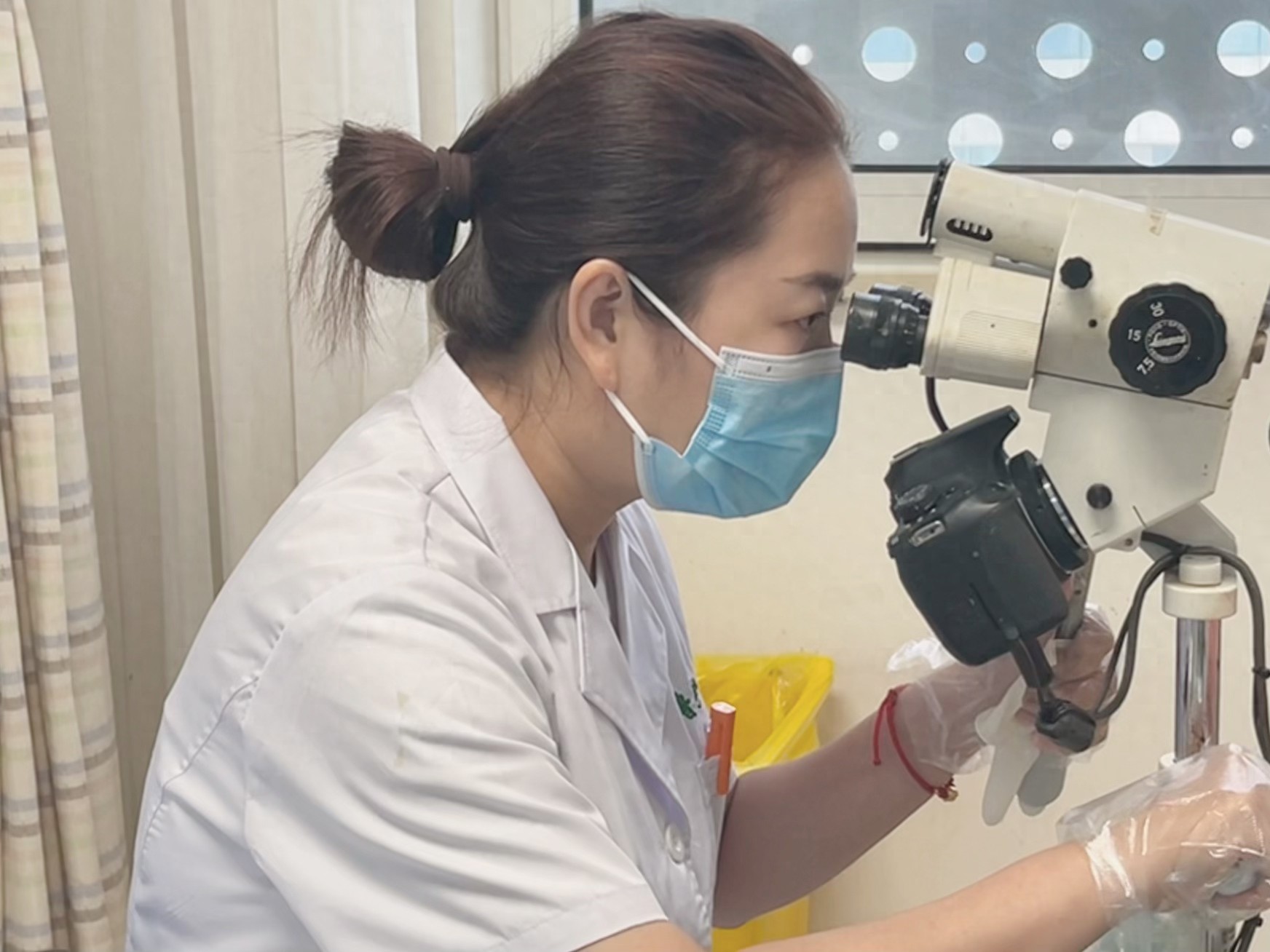
1. 95% of cervical cancers begin with persistent HPV infection
The WHO has long confirmed that persistent human papillomavirus (HPV) infection is the culprit of cervical cancer. More than 70% of women will be infected with HPV at some point in their lives, but most infections are cleared by the immune system; only persistent infection with high-risk types (especially types 16 and 18) for more than 2 years can lead to malignant transformation of cervical cells. Clinical data show that HPV16 infection is present in 56% of cervical squamous cell carcinomas, while HPV18 infection is as high as 56% in adenocarcinomas.
2. These factors give the virus an opportunity
Sexual behavior creates risk: women whose first sexual intercourse occurred before age 16 or who have ≥3 sexual partners have a sharply increased risk of HPV infection. Men infected with HPV can also transmit the virus to their partners through intimate contact.
Smoking disarms the immune system: smokers have twice the risk of cervical cancer compared with non-smokers; tobacco toxins weaken immune clearance and accelerate cellular carcinogenesis.
Hormonal and reproductive effects: women who use oral contraceptives for >5 years or who have given birth ≥3 times experience repeated injury to the cervical mucosa, making it more susceptible to viral invasion.
Immune deficiency compounds the problem: people with HIV have a sixfold increased risk of cervical cancer; when the immune system fails, the virus replicates uncontrollably.
3. The three cognitive misconceptions to be most wary of
Misconception 1: "No symptoms means no problem." Early cervical cancer is almost asymptomatic; by the time there is postcoital bleeding or foul-smelling vaginal discharge, it is often already in the middle to late stage.
Misconception 2: "If you get vaccinated you don't need screening." Vaccines cannot cover all high-risk HPV types; women over 30 should undergo combined HPV + TCT screening every 3 years.
Misconception 3: "Only rural women get it." Urban migrant women have lower screening rates and therefore a higher risk than settled populations.
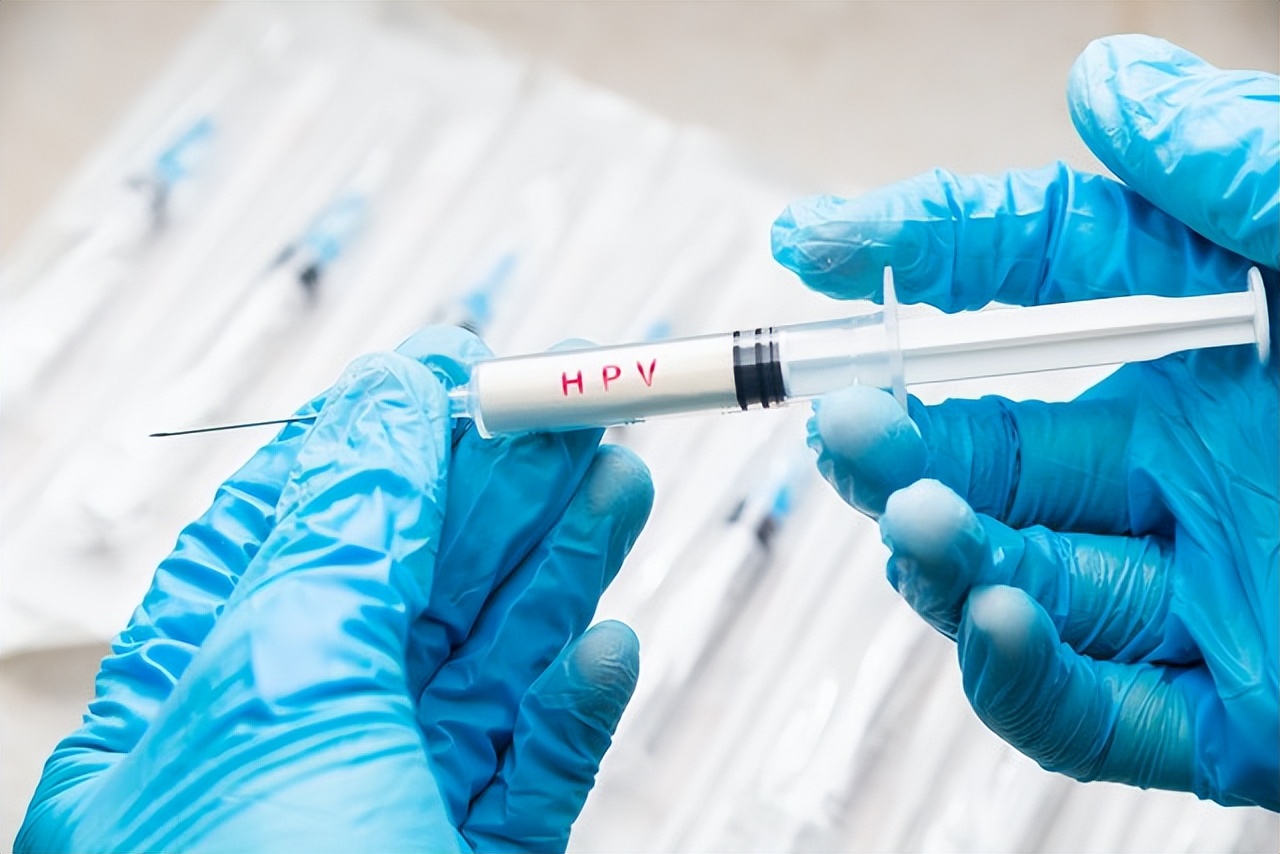
4. Three life-saving recommendations from doctors
Get vaccinated early: vaccination at 9–14 years achieves a 90% protection rate; vaccination before age 45 is still meaningful;
Adhere to standardized screening: following the three-step process “HPV testing → colposcopy → biopsy” can prevent 90% of malignant transformations;
Maintain protective lifestyle measures: quit smoking, have a stable sexual partner, maintain hygiene to reduce the likelihood of viral infection.
It takes 10–15 years for cervical cancer to progress from infection to malignancy; this is our “golden prevention period.” May every woman take proactive measures to protect herself and stay free from this health threat.