Is the HPV Virus Really Terrifying? 90% of People Are Unnecessarily Panicked — The Three Things You Should Truly Fear
Is the HPV Virus Really Terrifying?
"Doctor, I tested positive for HPV! Does that mean I’m going to get cervical cancer?" Every day in clinic I encounter women whose courage is shattered by the three letters "HPV" — some stay up all night searching for folk remedies, some cry and demand surgery, and some even break up with their partners because of it. As a gynecologist with 12 years of practice, I can give you a clear answer today: the HPV virus itself is not terrifying; what is terrifying is your blind panic and incorrect responses! 80% of women will be infected at some point in their lives, over 90% will clear the infection spontaneously, and only in "specific circumstances" does it become truly carcinogenic. Read this article and completely let go of unnecessary anxiety.
First, a reassuring note: 26-year-old Xiao Zhang tested positive for HPV16 (high-risk), was so frightened he had insomnia for a week; his TCT was normal, and following my plan of “adjust sleep/work schedule + supplement nutrition,” he tested negative on recheck after 6 months. Sister Li, age 35, was HPV52 positive for a year, didn’t take it seriously and didn’t recheck; she eventually was found to have a low-grade cervical lesion but fortunately received timely intervention — so whether HPV is scary depends largely on how you deal with it.
1. First understand: most of the HPV virus family are the “mild type”
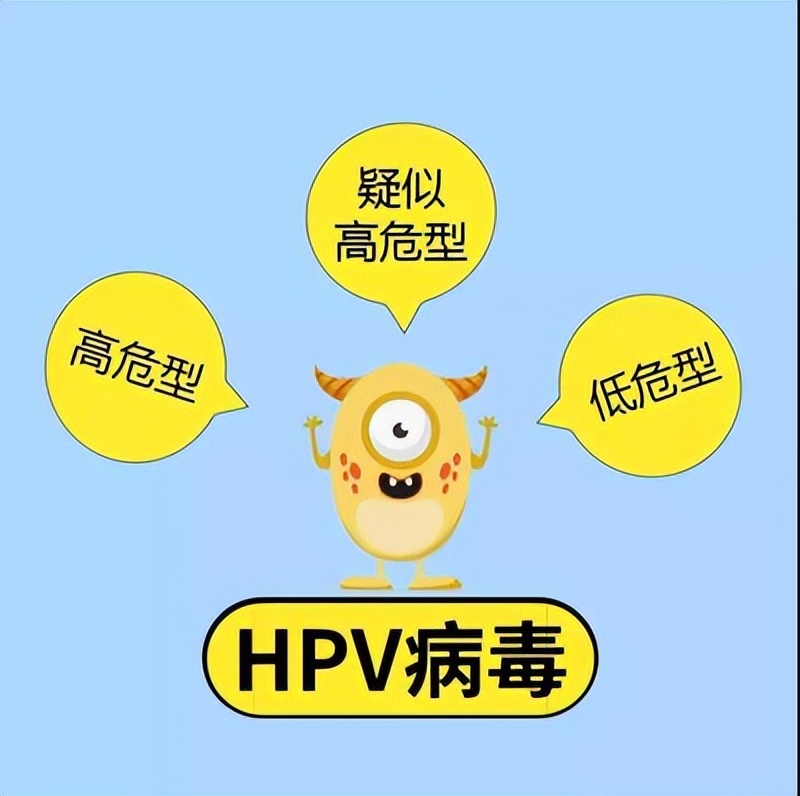
The HPV (human papillomavirus) family has more than 200 subtypes; not all are “dangerous.” They can be divided into three categories — once you see this, you’ll know not to panic:
Low-risk types (such as types 6 and 11) — the “mischief-makers”: they are not at all carcinogenic, at most they cause condyloma acuminatum (wart-like cauliflower bumps). After physical removal they can heal, and the virus will be cleared by the immune system; they have no long-term impact on health.
Common high-risk types (31, 33, 52, etc.) — “potential risks”: have carcinogenic potential but weak ability; as long as the infection is not persistent, they basically will not cause lesions;
High-risk “top killers” (16, 18) — “dangerous agents”: cause 70% of cervical cancers, but infection is not inevitably carcinogenic; the risk is simply higher than with other types.
Core data: 80% of women will be infected with HPV in their lifetime, of which high-risk infections account for 30%, but more than 90% can be cleared within 1–2 years by their own immune system; fewer than 0.1% actually progress to cervical cancer — HPV infection is like a “cervical cold,” most cases self-resolve, so there is no need to be overly anxious.
2. Three key truths that make HPV not terrifying, which doctors emphasize every day
There is no specific antiviral drug, but immunity is the "best antivirus software": currently there is no medication that can directly kill HPV, but a healthy immune system can easily clear it. Xiao Wang, age 28, tested positive for HPV33; she took no drugs and had no surgery, she only stopped staying up late and ate eggs and milk every day, and turned negative after 6 months — with strong immunity, the virus simply "can't stay";
Infection ≠ cancer; there are two intervening steps: "persistent infection" and "cellular abnormality": it takes 5–10 years to progress from HPV infection to cervical cancer, and it also requires three conditions to be met: "high-risk type + persistent infection for more than 2 years + abnormal TCT." A simple HPV-positive result is like "a thief entering the house"; if nothing was stolen (no cellular abnormality), the security guard (the immune system) will quickly drive it out;
Screening can identify risks early: regular HPV + TCT screening, even if a high-risk type is present, can timely detect persistent infection and cellular abnormalities, allowing intervention before lesions develop, with a cure rate over 95% — cervical cancer is the only cancer that can be detected early through screening, and this is the core reason HPV is not terrifying.
3. The things to really fear are not HPV itself, but these three things!
Afraid of “persistent infection for more than 2 years without follow-up”: 42-year-old Ms. Zhao was HPV18 positive and thought “no symptoms, no need to care,” so she didn’t have follow-up testing for 3 years. She was eventually found to have a high-grade cervical lesion; although it had not progressed to cancer, she had to undergo an additional procedure (conization). Persistent infection is the key to carcinogenesis, and failing to have follow-up testing is equivalent to giving the virus an “opportunity.”
Afraid of "blind treatment that damages the cervix without benefit": many people who test HPV positive buy "special drugs to turn negative" or undergo "laser surgery," but simple positivity does not require treatment. Folk remedies can damage the liver and kidneys, and excessive surgery can impair cervical function (affecting fertility), actually reducing immunity and making the virus harder to clear;
Fear "of not getting vaccinated and ignoring high-risk factors": early sexual activity, multiple partners, smoking, and staying up late all increase the risk of HPV infection and persistent infection. Not getting vaccinated (vaccination available for ages 9–45) and not avoiding these factors is equivalent to "going out without a mask," increasing the risk of infection.
4. Tested HPV-positive: follow these 3 steps and there is no need to panic
:
Step 1: Look at "genotype + TCT result" and match in 30 seconds:
Low-risk type + no condyloma: recheck every 6 months and strengthen immunity;
High-risk HPV positive + normal TCT: test HPV + TCT every 6 months; after two consecutive years of negative results, test once yearly.
High-risk HPV positive + abnormal TCT: perform colposcopy + biopsy, manage according to lesion severity (observe low-grade lesions, perform conization for high-grade lesions);
Step 2: Boost immunity to help the virus “exit” as soon as possible:
Diet: one egg daily + 200 ml unsweetened milk, eat more broccoli and oranges (to supplement vitamins);
Routine: Go to bed before 23:00, ensuring 7–8 hours of sleep (staying up late can reduce immune cell activity by 30%);
Exercise: brisk walk 30 minutes daily, or dance in the square twice a week;
Step 3: Avoid high-risk factors to reduce recurrence risk:
Use condoms during intercourse (to avoid cross-infection);
Quit smoking and drinking, avoid secondhand smoke (nicotine will slow the rate of viral clearance).
Finally, I want to tell you:
HPV is not really terrifying; it is simply your body giving you a “health reminder” — reminding you to pay attention to cervical health, keep regular habits, and undergo regular screening. 90% of people can overcome it with their own immunity; those who don’t can also achieve viral clearance with scientific management, so there is no need to be frightened by the label “HPV positive.”
If you are holding this report and feeling anxious, don’t panic. First check the genotype and TCT results carefully, then bring the report to a gynecology clinic at a reputable hospital tomorrow — the doctor will help you develop a personalized plan. Your attention and scientific response are the most powerful tools against HPV!
Share with the sisters around you; don’t let unnecessary anxiety wear you down. View HPV scientifically — it’s not scary at all!