Vaginitis keeps coming back despite treatment? Gynecologist teaches you 3 steps to cure it so it never recurs
#How to effectively treat vaginitis#
“Doctor, my vaginitis is flaring up again! It gets better with medication, but when I stop it gets itchy—how can it be completely cured?” In outpatient clinics every day I meet women tormented by vaginitis—some have 5–6 recurrences a year, some make it worse by indiscriminately using washes, and some suffer sleep and work disruption because of the itching. As a gynecologist with 10 years’ experience, I can tell you clearly: vaginitis is not a “difficult or mysterious disease”; repeated failure to resolve it is simply because the right approach wasn’t used! The core is “classification-based treatment + restoring the microbiota + avoiding pitfalls.” Do these 3 steps well, and you can completely cure it. After reading this article, you won’t need to struggle repeatedly.
First, some reassurance: Sister Zhang, 32, had recurrent Candida vaginitis for 3 years. Following my regimen of "symptomatic medication + restoring the microbiota," she had no recurrence for six months; Sister Li, 28, had bacterial vaginosis and developed dysbiosis from indiscriminate prior medication—after adjusting the plan she recovered in one month — the "cure" of vaginitis hinges on "killing pathogens + repairing the barrier," not blind use of drugs.
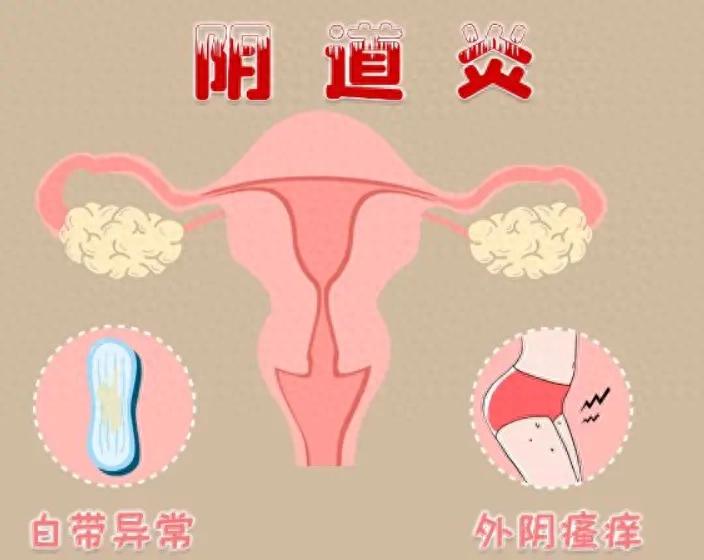
1. First classify: 3 common types of vaginitis have vastly different treatments (don’t use drugs blindly)
Vaginitis is not "one-size-fits-all." Match symptoms first, then treat—30 seconds to distinguish:
Candidal vaginitis — "cottage-cheese discharge + intense itching"
Typical symptoms: cottage-cheese-like discharge, intense vulvar itching worse at night, may be accompanied by redness and swelling;
Definitive treatment: use antifungals (clotrimazole suppositories, fluconazole), standard course 7–14 days (do not stop when symptoms subside);
Key points: avoid sugar during treatment (sweets promote fungal growth), boil underwear and sun-dry, avoid overuse of antibiotics (they kill beneficial bacteria). Sister Zhang previously stopped treatment as soon as symptoms improved and kept drinking milk tea, causing recurrence; later she completed the course + avoided sugar and was completely cured.
Bacterial vaginosis — “fishy-smelling discharge + yellowing”
Typical symptoms: discharge gray-white, thin, with a pronounced fishy odor (worse after intercourse), may be accompanied by mild pruritus;
Definitive treatment: use metronidazole-class drugs (oral or suppository), course 7 days, partner advised to be examined simultaneously (to avoid cross-infection);
Key: do not douche the vagina with cleansing solutions! It will disrupt the vaginal flora; Ms. Li previously developed dysbiosis after douching, and symptoms worsened after stopping medication.
Trichomonal vaginitis — "frothy discharge + malodor"
Typical symptoms: yellow-green, frothy vaginal discharge with a foul odor, possibly accompanied by urinary frequency and urgency;
Cure regimen: both partners take metronidazole, course 7 days; avoid alcohol during treatment (may cause a disulfiram-like reaction with dizziness and vomiting);
Key: partner must be treated too! Otherwise, after you are cured you can be reinfected by your partner, entering a "treatment–recurrence" cycle.
2. Three core steps to cure: eliminate the pathogen + restore the microbiota + prevent recurrence — none can be omitted
Step 1: Precisely kill the pathogens, don’t use medication blindly
First check a routine vaginal discharge test: determine whether it is candidiasis, bacterial vaginosis, or trichomoniasis, then use targeted treatment. Misuse of drugs can lead to “resistance,” making it harder to treat;
Complete the full course: vulvovaginal candidiasis 7–14 days, bacterial vaginosis/trichomoniasis 7 days. Even if symptoms disappear, finish the course (pathogens may hide in mucosal folds);
Case: Xiao Wang, 26, had trichomoniasis. She bought antifungal medication herself and got worse. After a vaginal discharge test confirmed the diagnosis, both partners took metronidazole and were cured within one week.
Step 2: Restore the vaginal microbiota and reinforce the "protective shield"
The core of recurrent vaginitis is "vaginal microbiota imbalance" — in a healthy vagina, Lactobacilli (beneficial bacteria) dominate and can suppress pathogenic bacteria; if treatment only eliminates the bad bacteria without replenishing the good bacteria, imbalance will recur quickly:
Approach: After stopping medication, use a vaginal lactobacillus preparation (as directed by your physician) for 1–2 consecutive weeks to help the beneficial bacteria "settle in";
Daily: Eat more fermented foods such as yogurt and kimchi to supplement probiotics, avoid spicy foods and sweets, and provide an environment conducive to the survival of beneficial bacteria.
Step 3: Avoid these 3 misconceptions to prevent recurrence
Misconception 1: Douching the vagina with a wash solution → Wrong! Only rinse the vulva with warm water; douching will disrupt the microbial balance and is equivalent to "removing the protective shield."
Misconception 2: Stop medication as soon as symptoms disappear → Wrong! Recurrence rate doubles! You must complete the full course of treatment, recheck the vaginal discharge 3 days after stopping medication, and only two consecutive negative results count as a cure;
Misconception 3: Ignore treating the partner → Wrong! Trichomonal and candidal vaginitis can be transmitted between partners through sexual activity; if only the woman is treated, pathogens carried by the man can reinfect her.
3. Special situations: Do this to have a better chance of cure
Recurrent vaginitis (≥4 recurrences per year): perform an antifungal/antimicrobial susceptibility test first (to avoid resistance), extend the duration of therapy (for example, maintenance therapy for candidal vaginitis for 3 months), and check blood glucose (patients with diabetes are prone to recurrence);
Vaginitis during pregnancy: Do not self-medicate! For candidal vaginitis, clotrimazole suppositories can be used (safe during pregnancy); bacterial/trichomonal vaginitis requires metronidazole under physician guidance to avoid affecting the fetus;
Postmenopausal vaginitis: Decreased estrogen leads to thinning of the vaginal mucosa and reduced resistance; under physician guidance, topical estrogen ointment can be used, combined with lactobacillus preparations to enhance resistance.
Finally, I want to tell you:
Vaginitis is not a "shameful disease," but the most common gynecological inflammation in women. As long as you find the right method, complete the full course, and restore the microbiota, it can be completely cured. Stop misusing washes, blindly taking medications, or giving up treatment because of recurrence — your body needs "precise care," not "reckless tinkering."
If you are currently troubled by vaginitis, don’t panic. First have a routine vaginal discharge exam to determine the type, then treat symptomatically according to the above methods. Do you still have questions about medication details or follow-up procedures? Feel free to leave a comment and I will answer them one by one~