Recurrent vulvovaginal candidiasis knocking again? Gynecologist: 3-step eradication method to keep Candida from returning
#What to do when candidal vaginitis keeps knocking again?#
"Doctor, I'm being driven crazy by the yeast! Five recurrences in one year, vulvar itching keeps me awake, symptoms improve with medication and recur after stopping — how can I make it disappear for good?" In daily clinics we repeatedly see women tormented by recurrence — clinical data show that 5% of women will experience "recurrent vulvovaginal candidiasis"; many fall into the vicious cycle of "medication — improvement — recurrence," and some even feel "it can never be cured in my lifetime." As a gynecologist, today I break down the three hidden roots of recurrence and share a 3-step eradication method to avoid repeated medication lists and make the yeast completely "disconnected."
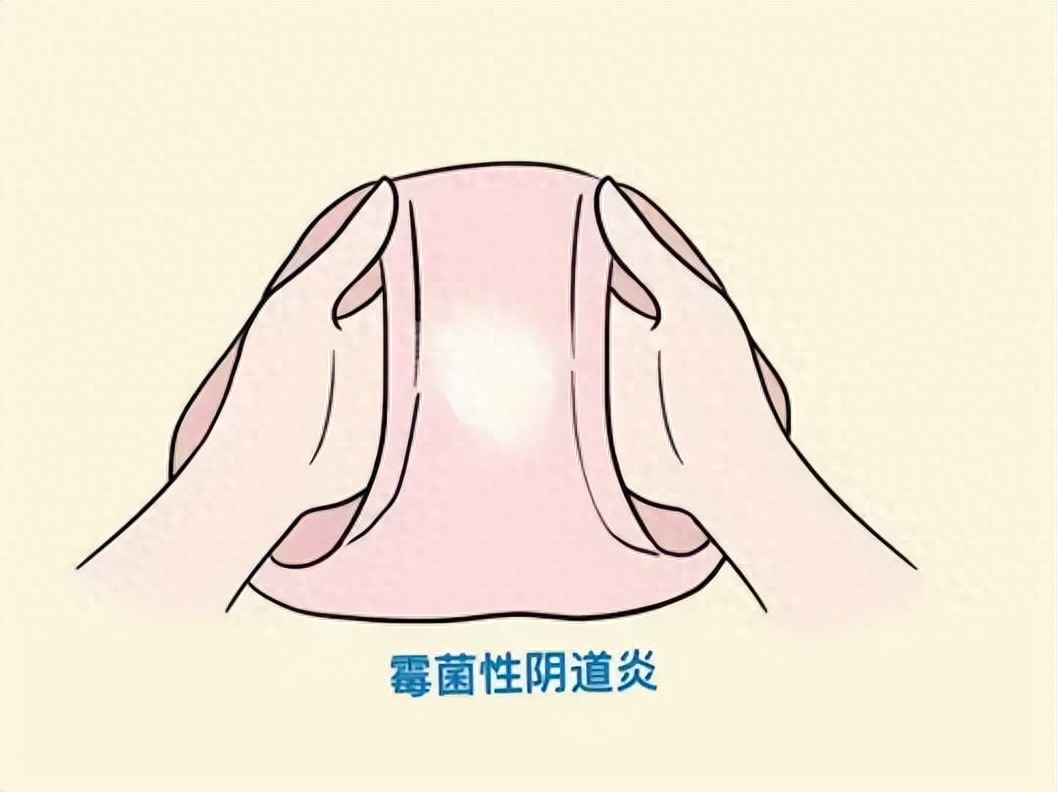
Key conclusion first: Recurrent vulvovaginal candidiasis is not “the medicine didn’t work,” but “the latent Candida wasn’t fully eradicated + the vaginal defensive barrier wasn’t rebuilt + the precipitating factors weren’t eliminated.” Ms. Zhang, 32, after 4 recurrences, was treated with the “root-elimination method” and adjusted her lifestyle; she has not relapsed for 2 years and said, “Previously I only treated the symptoms, not the root cause.”
1. First, understand: why does Candida always "make a comeback"? 3 hidden root causes
Latent Candida not fully cleared — symptoms rebound after stopping medication
Candida can hide in the folds of the vaginal mucosa and “lie dormant”; disappearance of symptoms does not mean the fungus has been eradicated. Many people stop treatment after 3–5 days when the itching subsides, without completing consolidation therapy; the latent fungus can quickly proliferate and cause recurrence. It’s like weeding without removing the roots — after rain it will grow back.
Vaginal microbiota imbalance — the “defensive line” has collapsed
The “good bacteria” in the vagina (Lactobacillus) are the main force against yeast. Long-term use of antibiotics and frequent vaginal douching will kill Lactobacillus and reduce vaginal resistance — even if the yeast is temporarily eliminated, as long as the microbiota has not recovered, new yeast will soon “take advantage of the situation.”
Lifestyle triggers not removed, repeatedly “provoking” yeast
Many people keep bad habits after treatment, which is equivalent to “opening the door” for yeast:
Eating too many sweets: high blood sugar increases vaginal glycogen; yeast “feeds on sugar” and can easily proliferate massively;
Tight pants / synthetic-fiber underwear: non-breathable, causes more sweating, creates a "breeding ground" for fungi;
Partner not treated concurrently: fungi can be transmitted through sexual activity; after you are treated, fungi on your partner can reinfect you;
Prolonged sitting, staying up late: immune function declines, giving fungi an opportunity.
2. Three-step eradication method: treat according to symptoms, cure once without relapse
Step 1: Standardize medication to "cut the grass and root out" latent Candida
During acute flare (itching + cottage-cheese–like discharge): first wash the vulva with water (do not douche), insert a clotrimazole or miconazole vaginal suppository, one suppository daily for 14 consecutive days — do not stop after 3 days; be sure to eradicate latent fungi;
Consolidation phase (after symptoms disappear): apply medication once weekly (for example, insert 1 capsule on Saturday night), continuously for 3–6 months to prevent recurrence;
Severe cases: take oral fluconazole as directed by a physician (contraindicated in pregnancy), but do not self-medicate to avoid resistance.
Ms. Zhang followed the “14-day acute phase + 6-month consolidation phase” regimen and completely eradicated the latent fungus.
Step 2: Replenish the "good bacteria" and rebuild the vagina's "defense line"
Late treatment phase (after 10 days of acute-phase medication), use “lactobacillus vaginal capsules,” 1 capsule daily for 10 consecutive days — lactobacilli can regulate vaginal pH and inhibit fungal growth, effectively “replenishing” the vagina. Many people only kill the fungus without restoring the beneficial bacteria, so vaginal defenses do not recover and recurrence is likely.
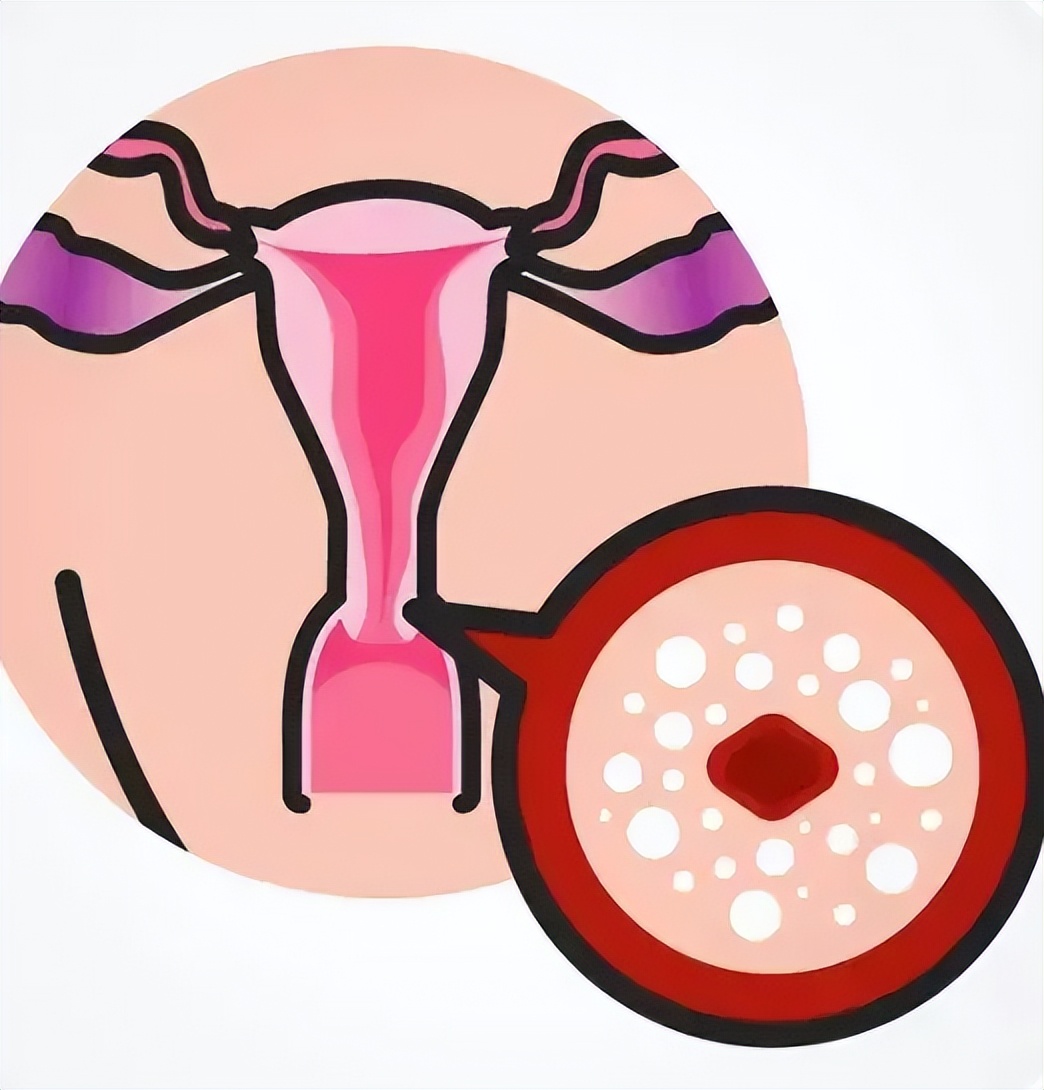
Step 3: Eliminate triggers so the fungus is "homeless"
This step is the most crucial—if you don't do it properly, everything done before will be for nothing:
Control blood sugar: stop milk tea, cakes, and sugary drinks; daily sugar intake ≤20 g (about 1 sugar cube); eat more vegetables, eggs, and milk to boost immunity;
Change clothing: wear pure cotton underwear, change daily, scald-wash in boiling water then sun-dry (fungus is heat-sensitive; boiling water can kill residues); avoid tight jeans and synthetic leggings, keep the vulva well-ventilated;
Change habits: do not douche the vagina with cleansing solutions; wash the vulva daily with warm water only; after defecation wipe from front to back to avoid fecal fungal contamination of the vagina; for those who sit for long periods, stand and walk 5 minutes each hour to avoid keeping the vulva in a humid, occluded state;
Treat the partner as well: Men should apply clotrimazole cream to the glans and the inner surface of the foreskin once daily for 7 consecutive days; use condoms during the treatment period to avoid cross-infection.
3. Three pitfall-avoidance guidelines so treatment is not wasted
"Stop medication when symptoms disappear" → Wrong! You must complete both the "acute phase + consolidation phase" of treatment, otherwise dormant Candida can rebound;
"Vaginal douching can wash away the fungus" → Wrong! Douching kills beneficial bacteria and disrupts the microbiota balance, which actually allows Candida to proliferate faster;
"Switch to a more expensive drug when it recurs" → Wrong! Frequently switching to more potent drugs can induce antifungal resistance in Candida, making subsequent treatment harder; follow the guideline-recommended regimen consistently.
4. Special circumstances: seek medical attention promptly if any of the following occur
Recurrence ≥4 times per year, or no improvement after 14 days of treatment;
Accompanied by severe abdominal pain, fever, or blood-streaked discharge;
Pregnant women, patients with diabetes, and those on long-term steroids need a physician to develop a personalized plan.
Finally, I want to tell you: recurrent vulvovaginal candidiasis is not an "incurable disease," it’s that you haven’t found the right method. As long as you do "proper antifungal treatment to clear the yeast + replenish beneficial bacteria to build a defensive line + eliminate triggers and close retreat routes," the vast majority of people can achieve a complete cure. Don’t be tormented by recurrences anymore, and don’t change medications blindly; follow the three-step eradication method above and persist for 3–6 months, and you can say goodbye to the yeast for good.
If you are currently being troubled by recurrences, don’t be anxious—tomorrow go to the hospital for a routine vaginal discharge test so the doctor can determine whether there is a co-infection, and then treat according to standard protocols — the persistence you invest will eventually be rewarded with health!