How high is the risk of hepatitis B transmission? It is higher in these situations
When it comes to hepatitis B, most people's first impression is that it is contagious, followed by the fact that it is difficult to cure, and everyone avoids it as much as possible. So under what circumstances is hepatitis B more likely to spread?
1. Viral load and wound condition
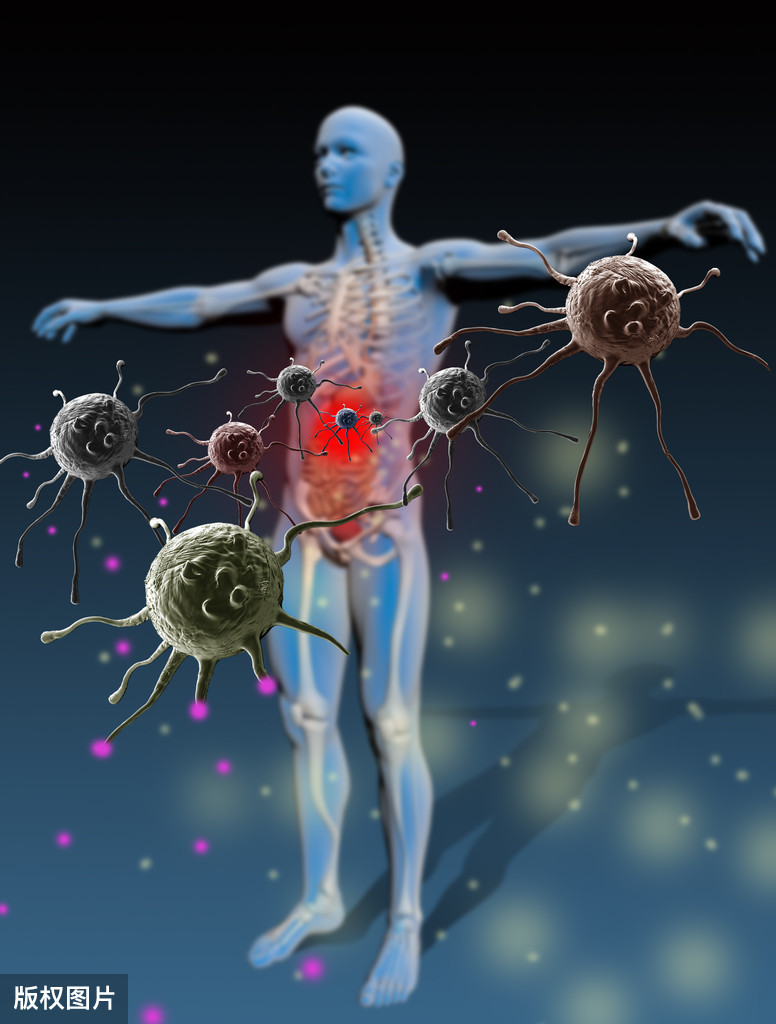
In hepatitis B patients who are positive for the virus, the blood typically contains the highest viral load, followed by body fluids. The infectiousness of the same patient's blood and body fluids varies. If there is accidental contact—if the wound is relatively large and deep, and it comes into contact with the patient's blood—the risk of infection is very high. Conversely, if the wound is small and superficial, and it comes into contact with the patient's body fluids, the likelihood of transmission is very low.
2. Route of infection
For hepatitis B, the highest concentration of the virus is found in the blood, making transmission through blood the most likely route. Additionally, the level of DNA in the source is a key factor. If the DNA content is relatively high, the risk of infection through direct blood contact increases accordingly. The body fluids of hepatitis B patients also contain a certain amount of the virus, but the concentration is lower, resulting in a relatively lower infectious potential.
Sexual transmission is also a route for hepatitis B transmission. Whether in males or females, if there is damage to the reproductive tract, exposure to blood poses a significant danger, substantially increasing the risk of infection.
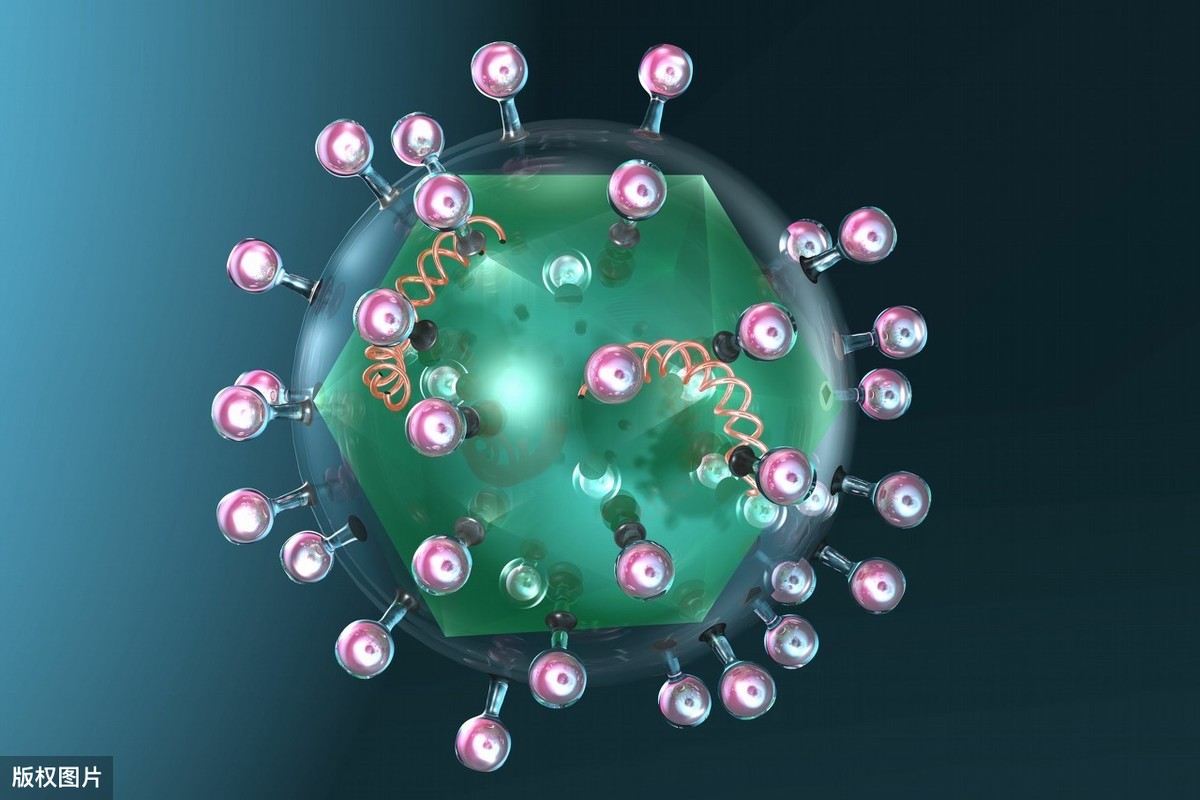
In addition, vertical mother-to-child transmission and transmission via medical devices are also pathways that require attention.
3. Antibody status of the exposed person
If the exposed individual has received the hepatitis B vaccine and developed antibodies: a quantitative test showing a surface antibody titer of 10 units or higher is considered relatively safe. If the titer is below 10 units, it is advisable to receive a booster vaccine to enhance resistance to the HBV virus. If the individual was previously infected and has since recovered, there is no need for further vaccination, as the vaccine will not provide additional protective effects in such cases.
4. Resistance of Contacts
Resistance is immunity. Regardless of other factors, the infected individual's resistance serves as the most fundamental safeguard.
First of all, age is a very important factor; newborns have very low resistance, and the elderly also experience a decline in resistance, making them susceptible populations.
Secondly, for normal adults, the immune system is generally robust and will mount both specific and non-specific defense measures against common pathogen invasions, sometimes without the need for human intervention. However, individuals with weaker resistance are more susceptible to viral infections. Such individuals should enhance their body's resistance by improving nutrition and participating in appropriate physical activities.
Hepatitis B prevention is key. Keep the above points in mind, stay away from hepatitis B, and protect your health!