Patients with Hepatitis B Surface Antigen Negative, Hepatitis B e Antibody Positive, and Hepatitis B Core Antibody Positive (commonly known as "Small Three Positives") Have Become a High-Risk Group for Liver Cancer? Here's What You Need to Do to Prevent It
Many people think that "small three positives" is not serious and that only "big three positives" requires attention. This is a misconception. As a result, many individuals who have "small three positives" neglect it. By the time they experience obvious symptoms such as pain in the liver area, fatigue, and weight loss, they finally go to the hospital for examination, only to find that the condition has already progressed to liver cirrhosis or liver cancer.
Hepatitis B 'big three positives' is vicious, while 'small three positives' is insidious. Why have individuals with 'small three positives' become the high-risk group for liver cancer?
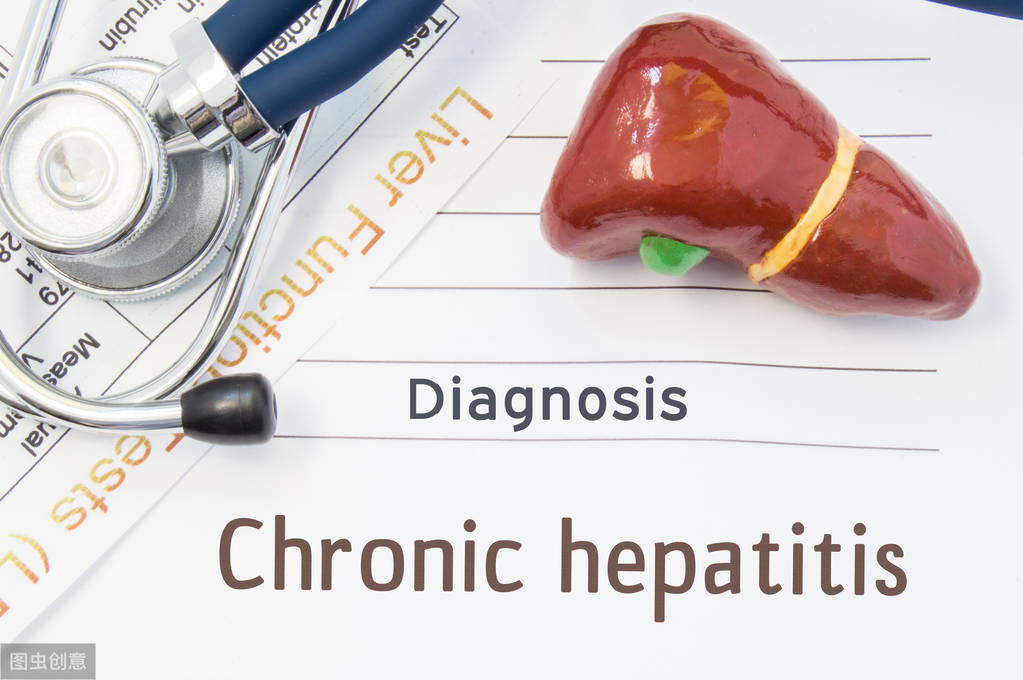
I. Liver Damage Often Has No Obvious Symptoms
Because the liver has a strong metabolic capacity, even when it sustains damage, there are often no obvious symptoms. Therefore, individuals with 'small three positives' usually do not feel any abnormalities. However, in reality, the virus never stops damaging the liver. Once the hepatitis B virus finds a suitable opportunity, it rapidly replicates, leading to liver damage. Over time, liver damage accumulates bit by bit. Without regular check-ups, it is difficult for patients to detect this, allowing the condition to gradually develop and worsen. It may further deteriorate into liver cirrhosis or liver cancer.
II. Low Viral Replication Levels in Small Three Positives Lead Many to Let Their Guard Down
In 'small three positives,' the e antigen (HBeAg) is negative, which often indicates a low level of viral replication and relatively low infectivity. Additionally, the detected HBV DNA level is also low. As a result, many patients become complacent about 'small three positives,' thinking it is not a significant issue. They may easily neglect regular check-ups, let alone pay extra attention in their daily lives. This gives the hepatitis B virus another opportunity to become active and replicate again.
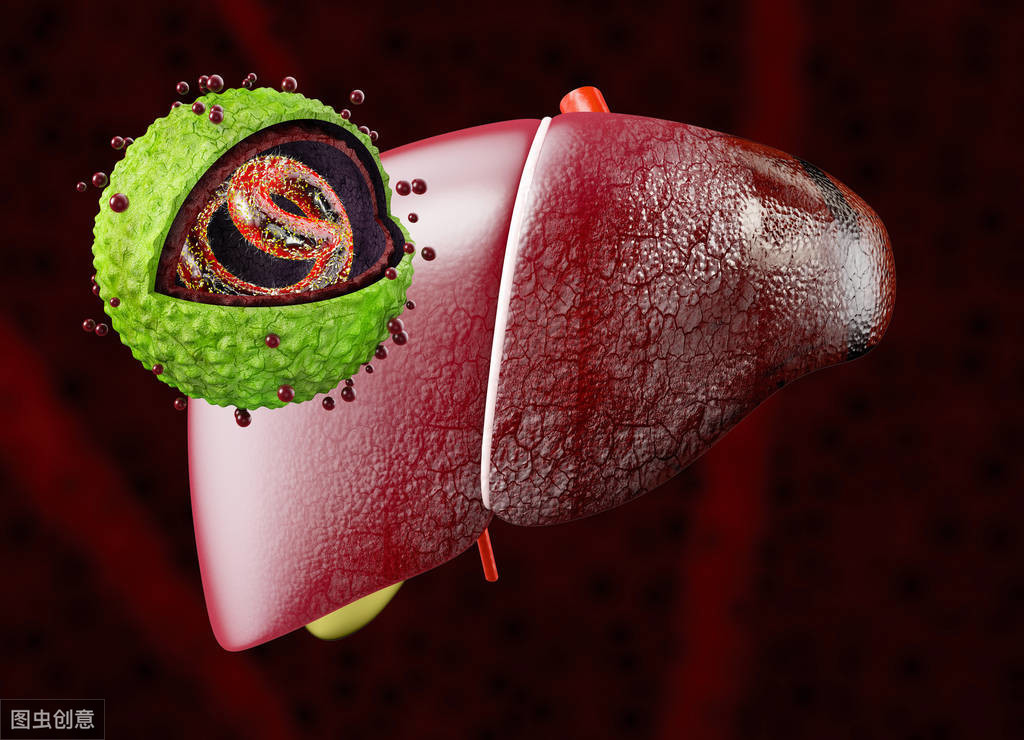
The two points above explain why individuals with 'small three positives' have become a high-risk group for liver cancer. Now, knowing that 'small three positives' can be so insidious, how can we avoid progressing to liver cancer?
I. Increase Self-Awareness
If you are diagnosed with Hepatitis B e antigen (HBeAg)-negative chronic hepatitis B, it is essential to take it seriously. Do not underestimate it just because the viral load is low—first and foremost, you must change your mindset and acknowledge its significance.
II. Regular Check-ups
After being diagnosed with HBeAg-negative chronic hepatitis B, regular follow-up examinations are necessary. This allows you to keep track of any changes in your liver condition. If there are any signs of deterioration, early detection and timely intervention can prevent the situation from worsening unknowingly and potentially progressing to cirrhosis or liver cancer.

III. Pay Attention to Diet and Lifestyle Habits
Your diet should be light, rich in high-quality protein, and well-balanced. Eat plenty of vegetables and fruits to ensure an adequate intake of vitamins, fiber, and various trace elements.
In addition, it’s important to develop good lifestyle habits. Avoid staying up late, abstain from alcohol and smoking, and engage in reasonable exercise.
Always take "Small Three Yang" seriously and take early preventive measures to avoid developing cirrhosis or liver cancer, sparing yourself future regrets.