Experiencing These 3 Types of Discomfort May Indicate Hypertension—Regular Blood Pressure Monitoring Is Essential
You should measure your blood pressure when experiencing the following three conditions, as they may indicate hypertension.

First: Dizziness and headache. Dizziness is the most common symptom of hypertension, which may manifest as persistent discomfort in the head, severely affecting work and study, or as persistent dull pain or throbbing pain, particularly in the temples or the back of the head.
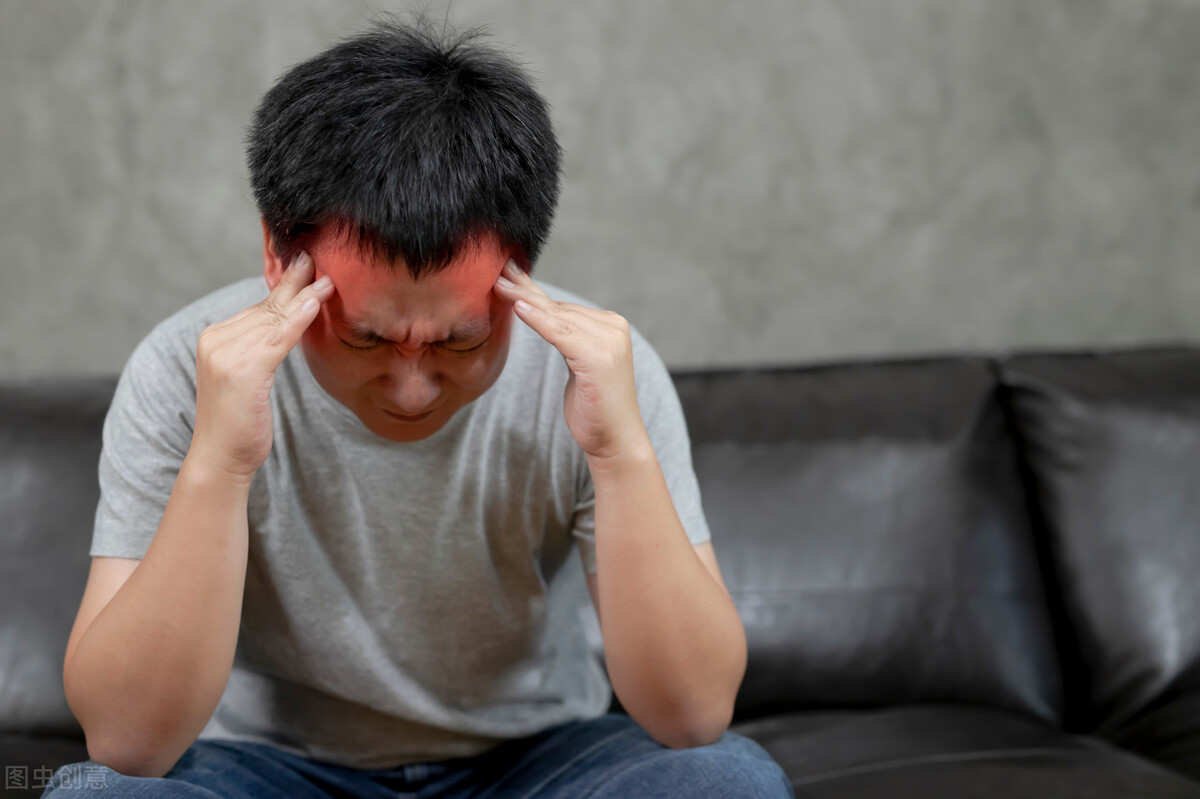
Second: Irritability, palpitations, insomnia, and memory decline. Some individuals with hypertension may experience symptoms such as skin itching, heightened sensitivity, agitation, insomnia, early waking, restless sleep, frequent nightmares, and difficulty concentrating. If there is recent memory decline, blood pressure should also be measured to check for hypertension.

Third: Bleeding, most commonly epistaxis (nosebleeds), conjunctival hemorrhage, retinal hemorrhage, or even cerebral hemorrhage. Not all cases of hypertension present with the above three conditions; in fact, the majority of hypertension cases do not exhibit any symptoms. Therefore, we cannot rely solely on these three points to determine whether we have hypertension. Instead, proactive measurement is essential.