Invest in Your Ankle Health with the Three Golden Rules: "Exercise, Protect, and Recover"!
On average, a person walks approximately 120,000 kilometers in their lifetime, equivalent to circling the Earth three times. Behind this astonishing figure lies the intricate collaboration of 28 bones, 107 ligaments, and 33 joints.
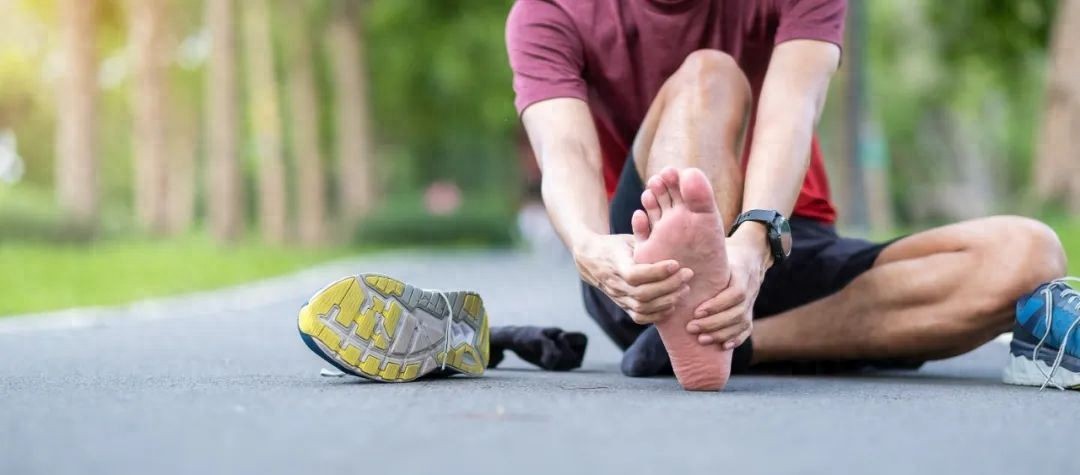
According to a study published in the British Journal of Sports Medicine, 37.2% of global foot and ankle injuries are related to improper care. Today, I will share with you the three golden rules for foot and ankle health to help you protect your feet and walk comfortably anywhere.
I. Daily Exercise:
A 5-Minute Foot Exercise Routine to Energize Your Ankles
Our feet work hard every day but rarely receive dedicated exercise. In fact, just 5 minutes a day spent on a simple foot exercise routine can effectively improve foot condition and prevent ankle-related issues.
Exercise 1: Towel Scrunches
Wearing high heels for extended periods, prolonged standing, or sitting can cause numbness and soreness in the soles of our feet. The towel scrunch exercise is like injecting vitality into the small universe of the foot sole.
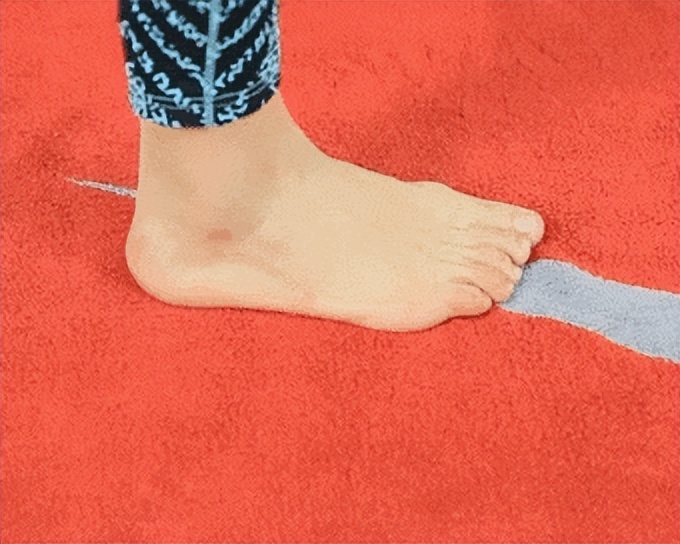
The method is simple: Place a clean towel on the floor, sit on a chair with your feet flat on the ground, and imagine your toes as flexible claw machine grips. Use your toes to grab the towel and pull it toward the arch of your foot, then slowly release and relax the foot muscles. Perform 3 sets daily, with 15 repetitions per set.
This exercise fully engages the muscles and nerves of the foot sole, improves blood circulation in the area, and alleviates soreness and numbness caused by high heels or prolonged standing. Consistent practice can also strengthen the muscles of the foot sole, making our feet more stable.
Exercise 2: Single-Leg Stand (Flamingo Pose)
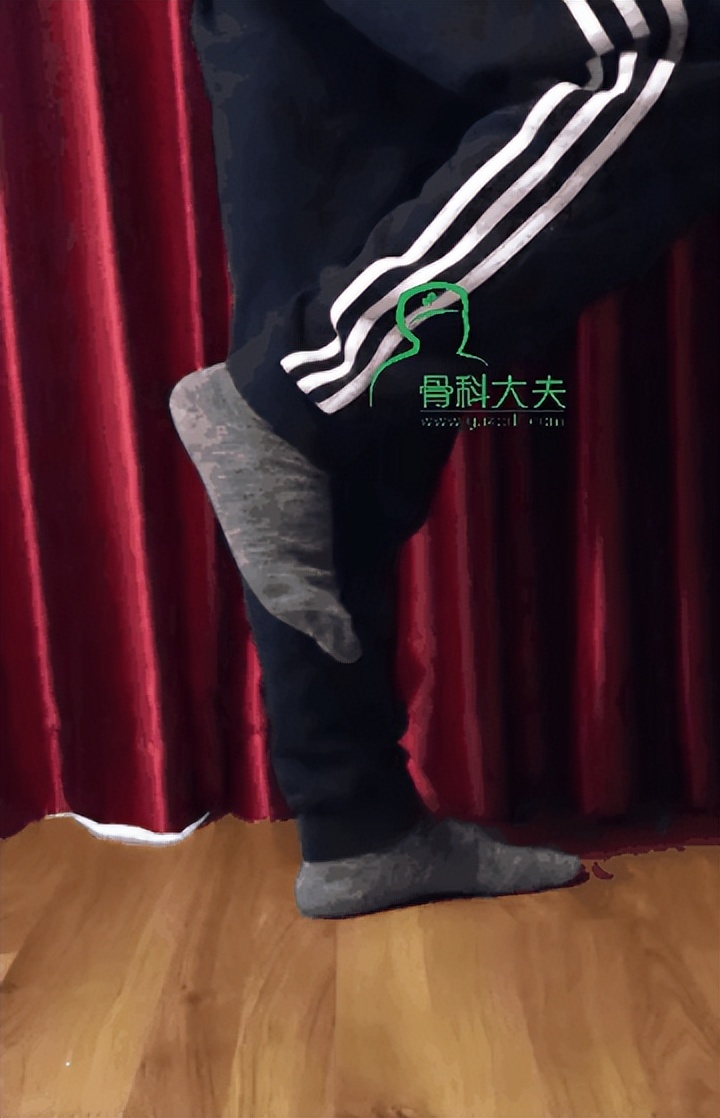
The single-leg stand helps prevent ankle sprains and improves balance. Beginners can start by holding onto a wall while slowly lifting one foot to maintain balance. As you progress, try standing without support, and eventually, close your eyes to increase the difficulty.
During a single-leg stand, the body continuously adjusts its center of gravity to maintain balance. This process stimulates the muscles and nerves around the ankle, making them more sensitive and stronger. Consistent practice of this exercise can effectively enhance ankle stability and balance, significantly reducing the risk of sprains. For those who frequently wear high heels, this exercise is an essential daily training routine.
Exercise 3: Calf Raises
Heel pain is a common issue, especially among middle-aged and elderly individuals and those who stand for long periods. Calf raises can help alleviate heel pain while strengthening the calf muscles.
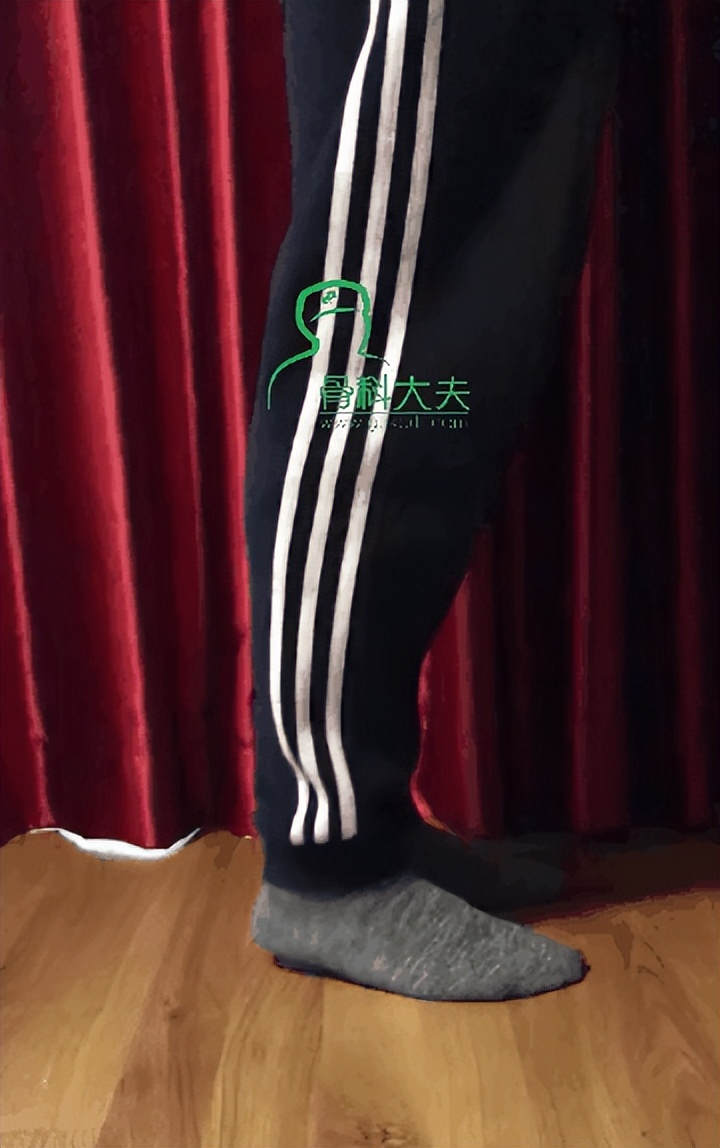
Find a sturdy chair back for support, place your hands on it, and stand with your feet shoulder-width apart. Slowly rise onto your toes, feeling the contraction in your calf muscles, hold for 3 seconds, and then slowly lower your heels. Perform 20 repetitions in the morning and evening.
When rising onto the toes, the gastrocnemius and soleus muscles at the back of the calf are fully engaged. These muscles play a crucial role in maintaining ankle stability and supporting body weight.
Post-Exercise Tennis Ball Massage for Enhanced Results
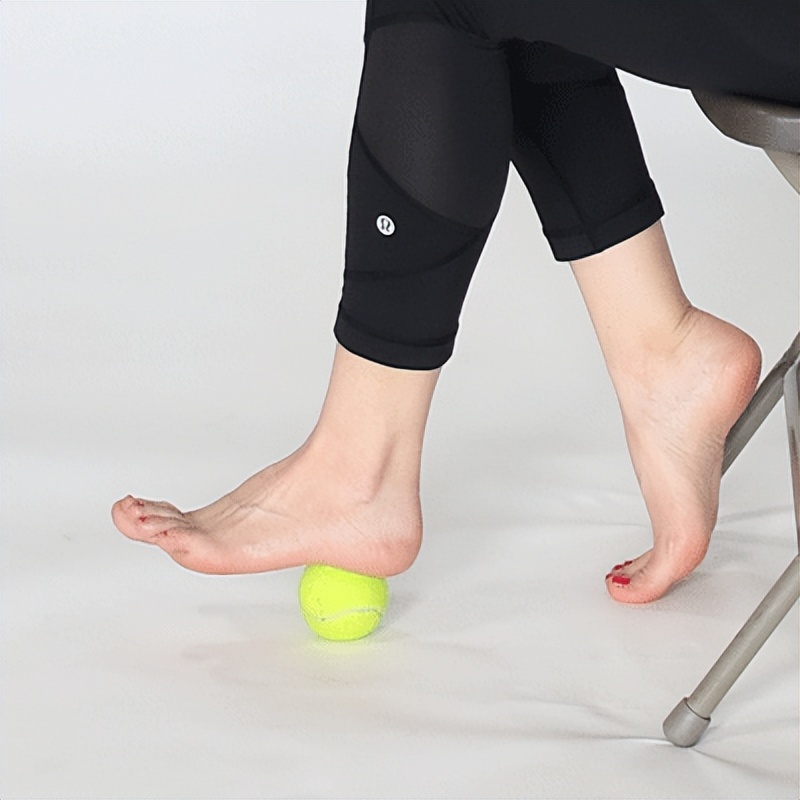
After completing this foot exercise routine, don’t forget to give your soles a relaxing massage. Sit on a chair, place a tennis ball under your foot, and roll it back and forth to massage various acupoints and muscles on the sole. If a tennis ball is unavailable, a fascia ball or a sturdy glass bottle can be used as an alternative.
Massaging further relaxes the foot muscles, promotes blood circulation, and alleviates post-exercise fatigue. It also stimulates reflex zones on the soles, providing certain health benefits for various organs in the body.
II. Shoe Selection and Wear:
Remember Three Key Points to Provide an Umbrella of Protection for Your Ankles
Shoes are the "second skin" for our feet. A well-fitting pair of shoes provides good support and protection for the ankles, reducing the risk of injury. When selecting and wearing shoes, keep the following three key points in mind.
Key Point 1: Bend It—Test the Shoe’s Flexibility
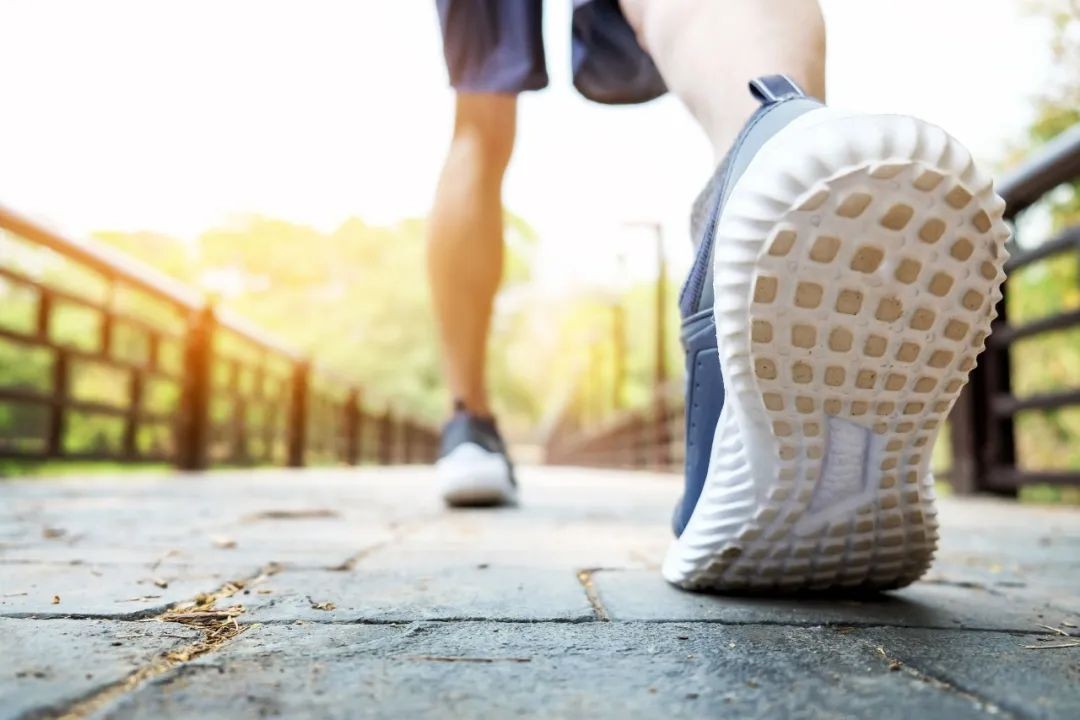
Good shoes should not only look good but also be practical. When selecting shoes, try bending them to see if the front third flexes easily.
Shoes that bend easily at the front third align better with the natural movement patterns of the foot. During walking, the forefoot constantly flexes and extends. If the shoe’s forefoot is too stiff and inflexible, it restricts normal foot movement, increasing the risk of foot fatigue and injury.
Key Point 2: Squeeze It—Ensure Heel Stability
The stability of the shoe heel directly affects walking safety. When selecting shoes, squeeze the heel to feel its firmness.
A good shoe heel should be stiff and not deform when squeezed firmly with your fingers. A stiff heel provides excellent support for the ankle, preventing it from wobbling sideways during walking and reducing the risk of sprains.
Key Point 3: Measure It—Choose the Best Time and Space for Buying Shoes
Buying shoes involves not only selecting the right style but also the correct size. Moreover, the timing of shoe shopping matters. Since our feet tend to swell gradually throughout the day due to activity, the afternoon is the most suitable time to buy shoes.
When trying on shoes, ensure there is about a finger’s width of space in front of the toes. This provides enough room for toe movement during walking, preventing pain from compression. It also avoids squeezing the feet due to overly tight shoes, which can impair blood circulation.
Shoe Selection Guide for Specific Groups
1. Individuals prone to ankle sprains: For those who frequently sprain their ankles, high-top shoes are safer than low-top ones. High-top shoes better wrap around the ankle, providing additional support and protection to reduce the risk of sprains.
2. Individuals with wide feet: Those with wide feet should try on shoes in the afternoon and walk for 10 minutes before deciding to purchase. This ensures the shoes remain comfortable even after foot swelling, avoiding compression from overly tight shoes.
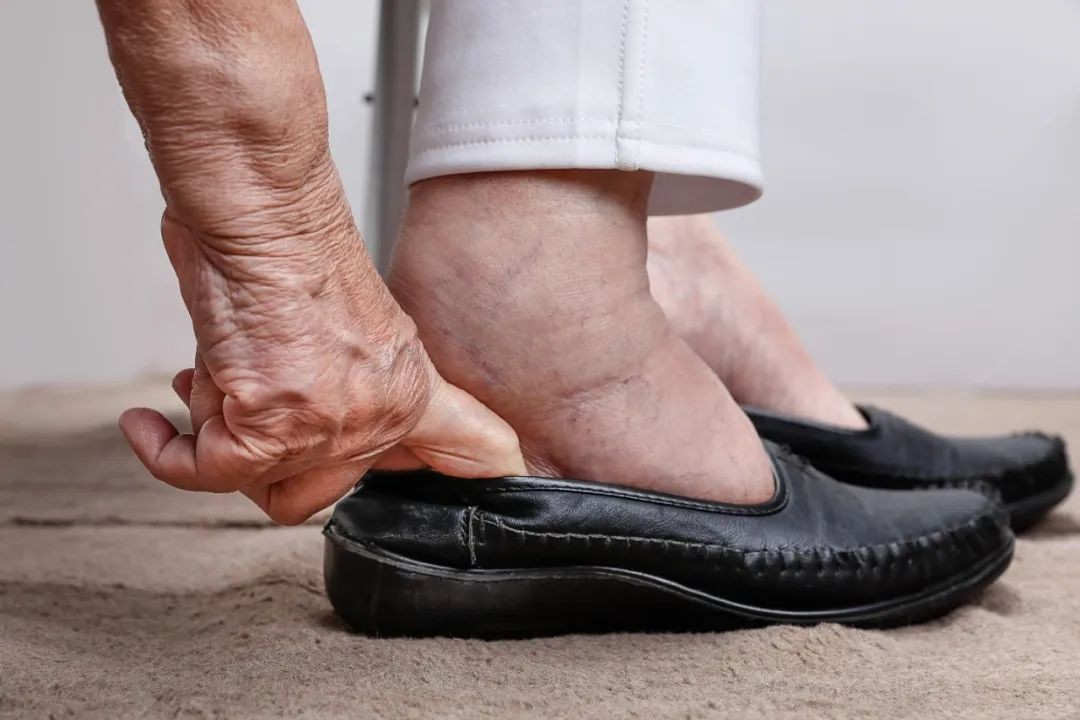
3. Elderly individuals: As physical function declines with age, bending over to tie shoelaces can be challenging. Therefore, elderly individuals may opt for slip-on shoes for easy wear and removal, avoiding the inconvenience and risks associated with bending over.
III. Accidental Ankle Sprains:
A Three-Step First Aid Mnemonic That Can Save Lives in Critical Moments
When an accident occurs, knowing the correct first aid method is crucial. Here is a three-step first aid mnemonic for accidental ankle sprains.
Step 1: Press—Quickly Relieve Pain
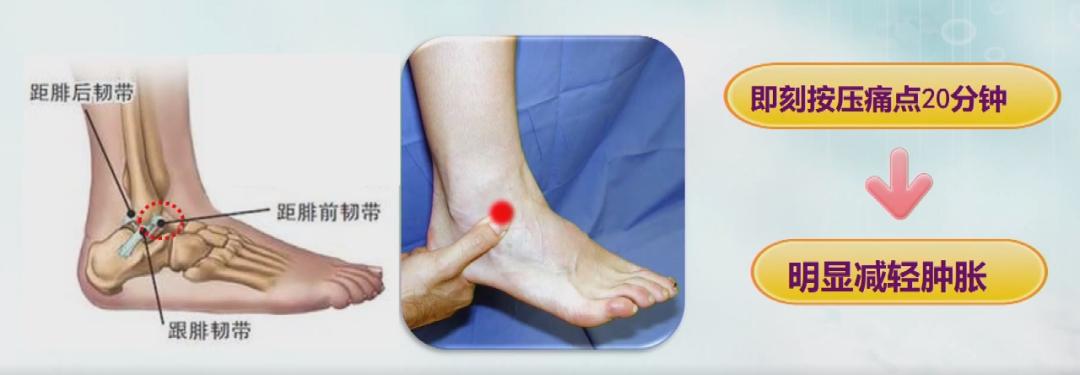
Immediately after an ankle sprain, press the depression on the outer side of the ankle. First, locate your outer ankle bone—there is a prominent point like a small hill. Then, move about one centimeter down and one centimeter forward from this point to find a small indentation, which is the location of the anterior talofibular ligament. Apply continuous pressure for approximately 20 minutes. This will significantly reduce bleeding and alleviate pain. If wearing socks, the key point for pressing is about one finger’s width forward from the outer ankle bone.
Pressing this area reduces bleeding from ruptured small blood vessels. Apply moderate pressure continuously for several minutes.
Step 2: Ice—Reduce Inflammation and Swelling
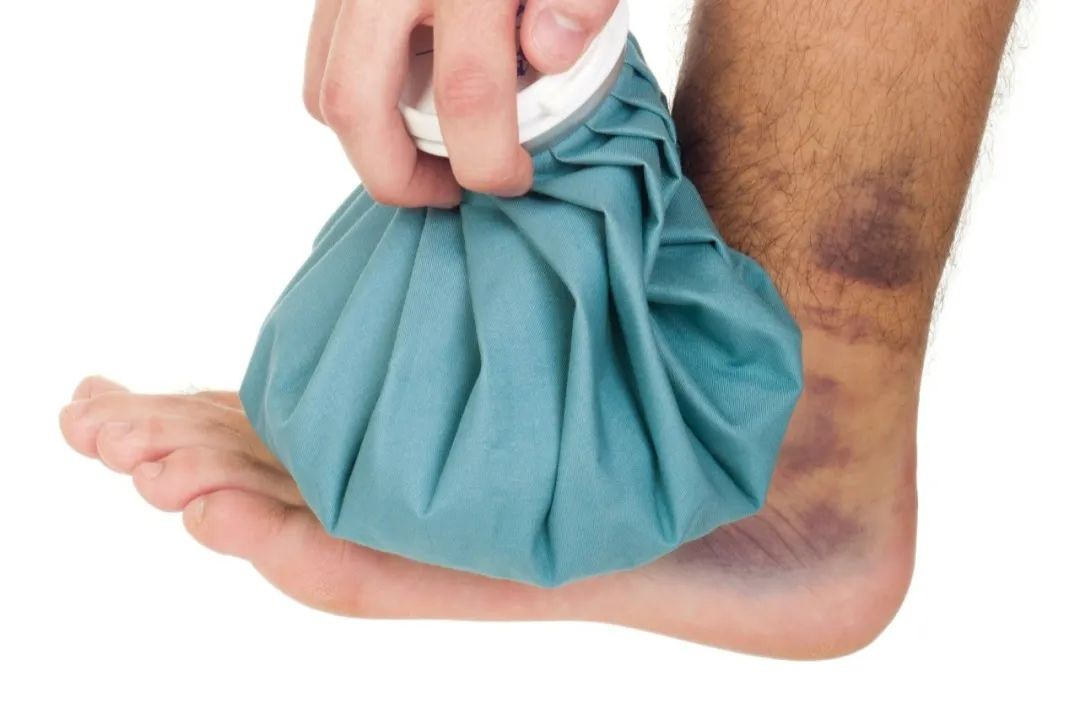
After pressing, apply ice as soon as possible. Place an ice-water mixture in a plastic bag, wrap it in a towel, and apply it to the injured ankle for 15 minutes at a time. Repeat every 2 hours within the first 24 hours after the injury.
Icing constricts blood vessels, reducing blood flow to the injured area, thereby decreasing inflammation and swelling. It also lowers nerve sensitivity, alleviating pain. Avoid direct contact between ice and the skin to prevent frostbite.
Step 3: Elevate—Promote Blood Return
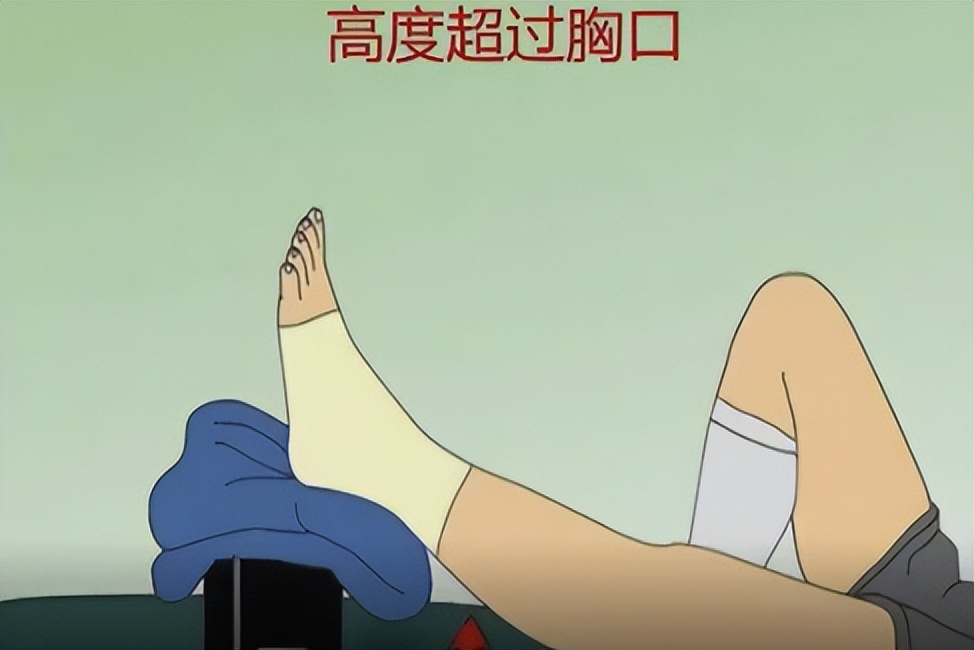
Finally, lie down and elevate the injured foot above heart level. Use a pillow or folded blanket to prop up the injured foot.
Elevating the injured foot promotes blood return, reduces blood pooling in the injured area, and alleviates swelling and pain. It also reduces the burden on the heart, aiding in recovery.
Take action and invest in your ankle health today! I hope this article helps you protect the health of your feet and ankles, enabling you to walk comfortably anywhere.