These 5 Bone-Nourishing Foods Are Recommended by Orthopedic Surgeons for Regular Consumption
In clinical practice, I have encountered many patients with osteoporosis, low bone density, or those whose bones frequently make cracking sounds. Many people focus solely on taking various calcium tablets and nutritional supplements to nourish their bones, overlooking the most fundamental and crucial aspect—eating the right foods.
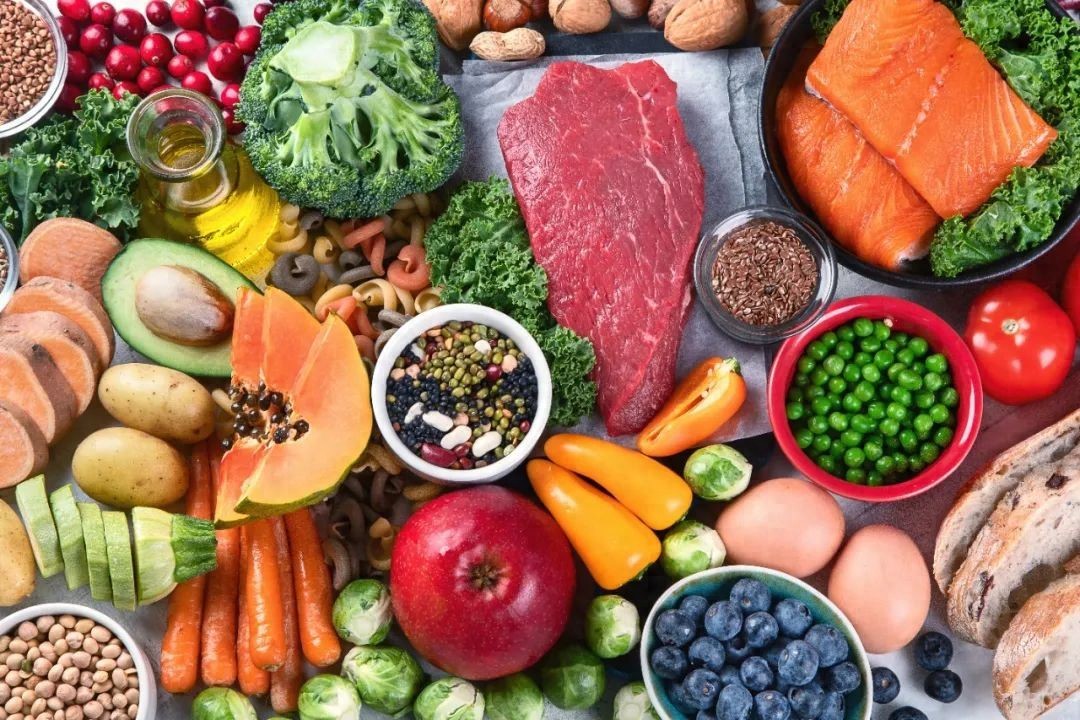
In fact, our daily diet includes many bone-nourishing powerhouses. Today, I will introduce five bone-nourishing foods that you are advised to consume regularly.
1. Dark Leafy Greens
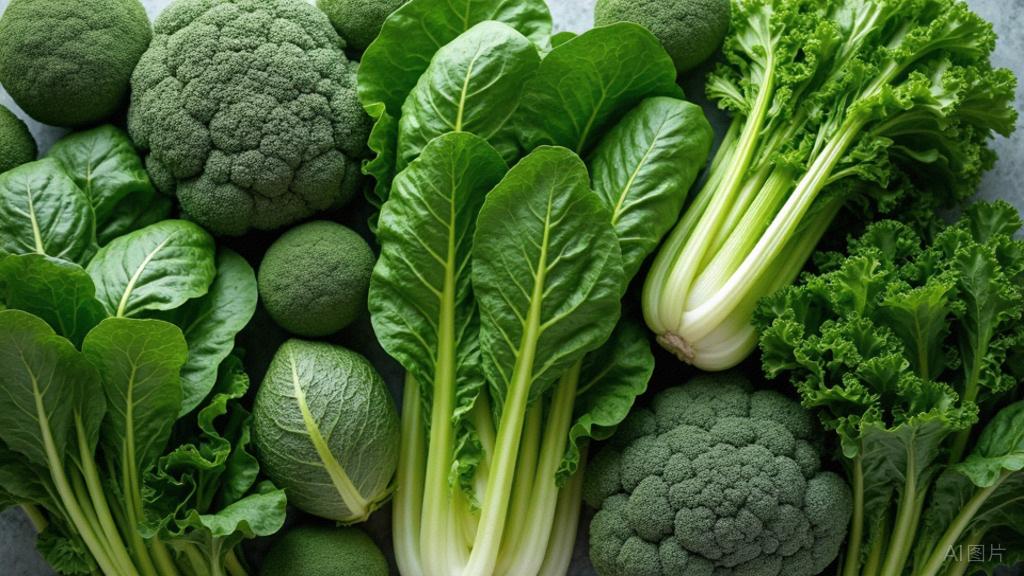
Let’s start with dark leafy greens, such as spinach, bok choy, and kale. These vegetables are excellent for bone health. They are rich in calcium, magnesium, and vitamin K. Calcium is a primary component of bones, while magnesium plays a role in bone formation and metabolism, helping calcium deposit more effectively into the bones. A deficiency in magnesium can lead to brittle bones.
For example, 100 grams of spinach contains approximately 66 mg of calcium and 58 mg of magnesium, while 100 grams of bok choy contains about 108 mg of calcium and 22 mg of magnesium. Although the absorption rate of calcium from vegetables is lower than that from animal-based foods like milk, they are rich in vitamin K. Vitamin K promotes the synthesis of osteocalcin, which acts like a "glue" that firmly binds calcium to the bones, thereby improving calcium utilization.
For high-oxalate vegetables like spinach, blanching before cooking can remove 40%-70% of the oxalate, reducing its impact on calcium absorption. Ensuring a daily intake of dark leafy greens is highly beneficial for bone health.
2. Dried Small Fish or Shrimp
Dried shrimp and small fish (such as anchovies, sardines, and mackerel) are foods exceptionally high in calcium and can serve as supplementary calcium sources in the daily diet. The calcium in dried shrimp and small fish primarily exists in forms like calcium carbonate, and its absorption rate is generally better than that of high-oxalate vegetables (e.g., spinach) but lower than that of dairy products like milk (which contain lactose, casein phosphopeptides, and other absorption-enhancing components).
When making soup or stir-frying dishes, consider adding a handful of dried shrimp or using small dried fish to cook porridge. This not only enhances flavor but also boosts calcium intake. However, dried shrimp and small fish are high in salt, so it is important to control the amount consumed to avoid excessive salt intake. Excessive salt can increase calcium loss, partially offsetting the benefits of calcium supplementation. Therefore, strict control of consumption is essential, especially for individuals with hypertension, cardiovascular diseases, or those on a salt-restricted diet.

3. Soy Products
Soy products, such as tofu and dried tofu, are suitable as foundational foods for daily calcium intake. During their production, calcium agents are added as coagulants, making them excellent sources of calcium. Additionally, soy products contain soy isoflavones, a type of phytoestrogen that offers protective effects for bone health by reducing bone loss.
The calcium content varies among different types of soy products. Generally, 100 grams of firm tofu contains approximately 138 mg of calcium, while 100 grams of dried tofu contains about 308 mg of calcium. For vegetarians or those who prefer not to consume animal-based foods, soy products are an important choice for calcium supplementation.

4. Egg Yolk
Egg yolk is rich in vitamin D, which plays a crucial role in the absorption and utilization of calcium. It acts like a "messenger," promoting intestinal calcium absorption and ensuring that the calcium consumed is effectively utilized by the body (enhancing calcium absorption by 20-40%). Without sufficient vitamin D, even high calcium intake may not be efficiently absorbed, akin to goods arriving at a warehouse without workers to move them inside.
Eating one egg daily provides a certain amount of vitamin D, serving as a supplementary means to meet daily vitamin D needs. Additionally, egg yolk contains various other nutrients, such as protein, fat, and lecithin, which are beneficial to overall health.
Friendly Reminder:
One egg yolk contains 1 μg of vitamin D (the daily requirement for adults is 15 μg). Do not forget to combine dietary intake with sun exposure to meet daily vitamin D needs.

5. Milk or Yogurt
Milk and yogurt are well-known calcium-rich foods and serve as the foundational pillars of calcium supplementation. Milk is abundant in calcium, with approximately 104 mg per 100 milliliters, and its calcium-to-phosphorus ratio is optimal for calcium absorption. Additionally, milk contains high-quality protein, vitamin A, vitamin B2, and other nutrients that play significant roles in bone health and overall development.
Yogurt is made by fermenting milk, retaining its nutritional components while also containing probiotics that help regulate gut flora and promote digestion and absorption. For individuals with lactose intolerance, yogurt is an excellent choice, as the fermentation process breaks down lactose, reducing symptoms of lactose intolerance. It is recommended to drink a glass of milk or yogurt daily to lay a solid foundation for bone health.

Scientific Diet, Healthy Bones!
Many people fall into the misconception of over-relying on supplements while neglecting dietary approaches to bone health. In reality, a proper diet is the foundation for nourishing bones. Eating right is more important than eating more, and these five bone-nourishing foods should not be overlooked. Let’s start with our daily diet and support our bone health!