Knee Pain and Mild Bow Legs? Improve with These 3 Exercises
Elderly with Bow Legs and Knee Pain?
Bow legs, medically known as genu varum, refer to a condition where the knees are close together while the lower legs and feet curve outward when standing naturally. For patients with congenital mild bow legs, especially those with healthy articular cartilage, surgery may not be the primary treatment option recommended by doctors.
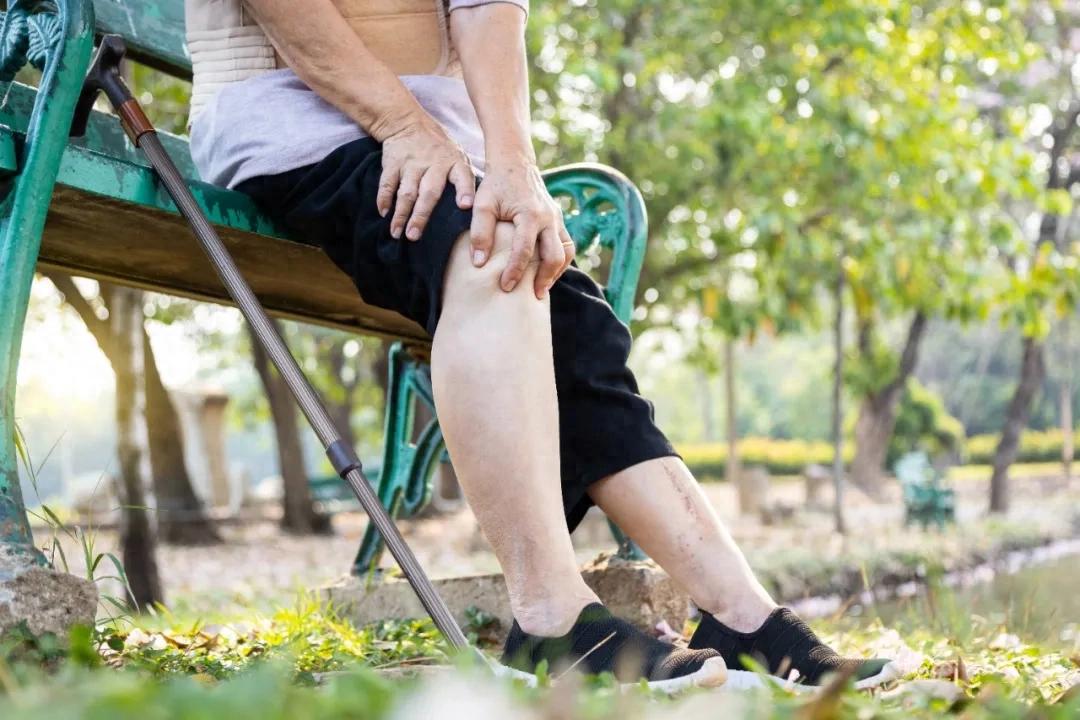
Here, Dr. Sha Yu, Director of Orthopedics at Henan Provincial Third People's Hospital, suggests that you can improve mild bow legs and alleviate knee pain by strengthening the relevant muscles through scientific exercise methods. Below, he will share three simple and effective exercises.
Step 1: Foam Roller Release
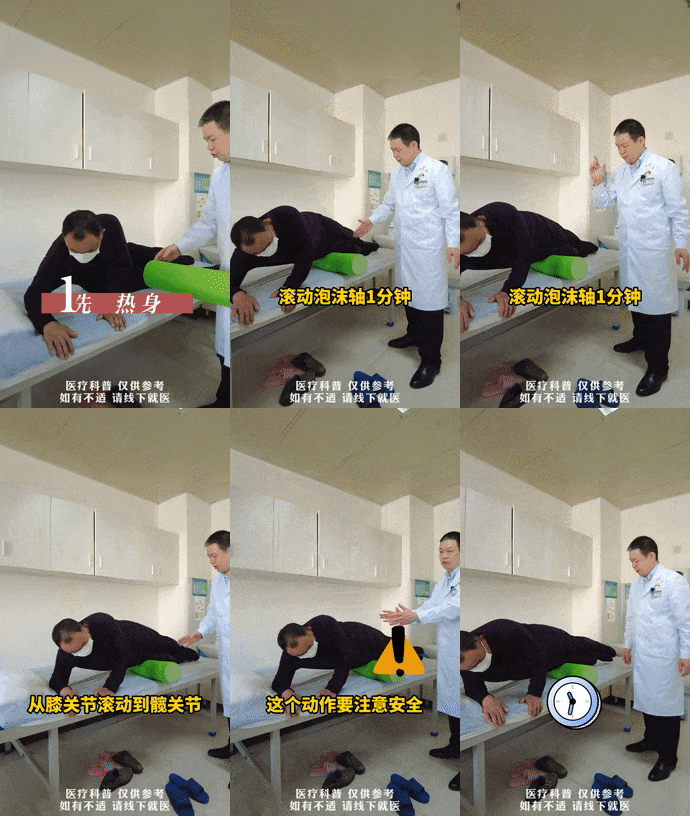
Action Steps:
(1) Lie on your side on a bed or yoga mat (the standard position is to support yourself on one elbow; if your strength is insufficient, you can use both hands as shown in the video). Place the side of your thigh on the foam roller, and support your body with the other foot placed in front for balance.
(2) Slide your body up and down, allowing the foam roller to roll back and forth along the side of your leg. Start from the knee joint and roll all the way to the hip joint. The duration and intensity of the release can be adjusted according to your tolerance.
(3) After completing one side, switch to the other side for release.
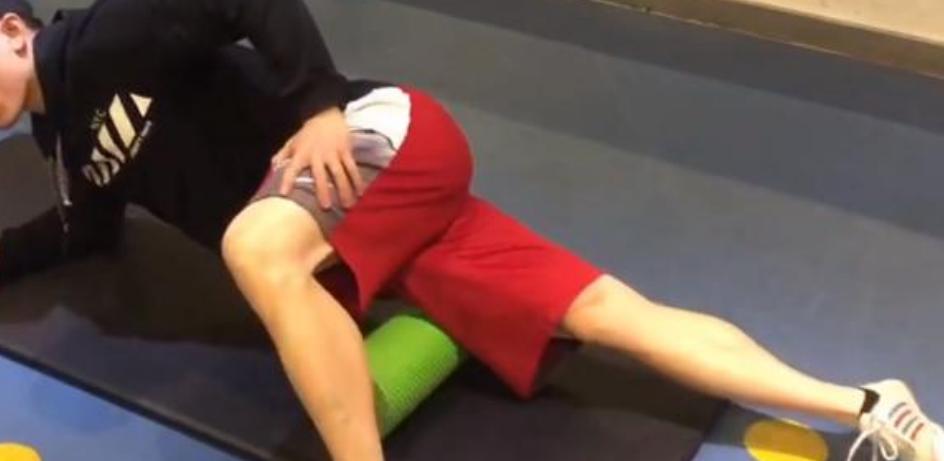
If you find obvious sore spots while rolling, spend extra time massaging these areas. Additionally, you can keep your legs together and tightened to provide greater massage pressure while rolling. This exercise helps relax the tight iliotibial band and promotes blood circulation.
Step 2: Bridge with Object Squeeze
The bridge is a classic exercise for strengthening the gluteal muscles and hamstrings. Adding an object squeeze simultaneously engages the inner thigh muscles, helping to adjust leg alignment.
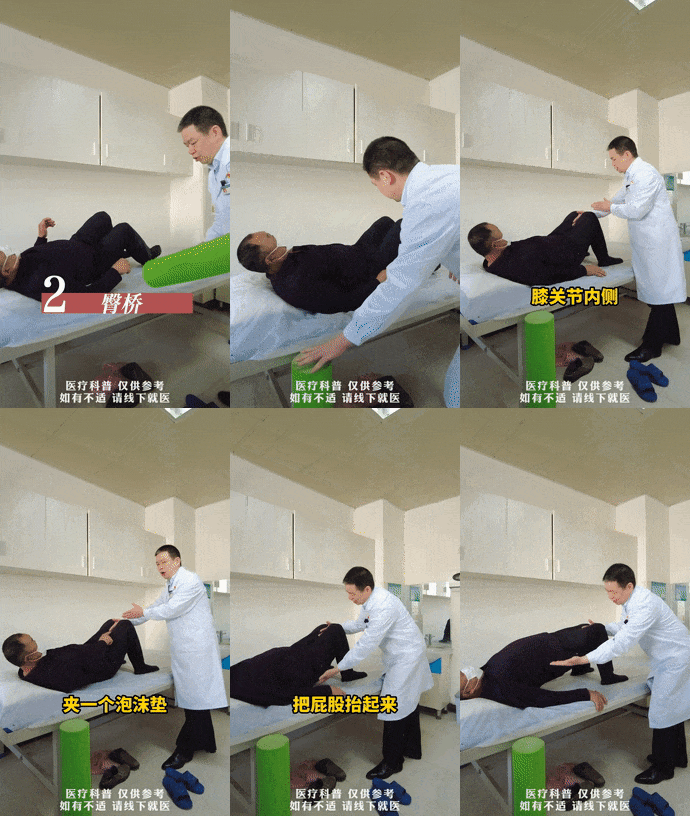
Action Steps:
(1) Lie on your back on a bed or yoga mat with your knees bent slightly wider than shoulder-width apart. Place a thin foam pad or balloon between your knees. Press your heels into the ground, engage your glutes and hamstrings, and lift your hips until your thighs and torso form a straight line.
(2) Keep your upper back supported on the ground as you lift your hips. When lowering, let your lower back touch the ground while keeping your hips slightly elevated. Exhale as you lift your hips and inhale as you lower them. Feel a strong contraction and squeeze in your glutes as they slowly lift off the surface. Hold for about 10 seconds, then return to the starting position.
(3) Repeat this exercise multiple times.
Step 3: Hamstring Stretch
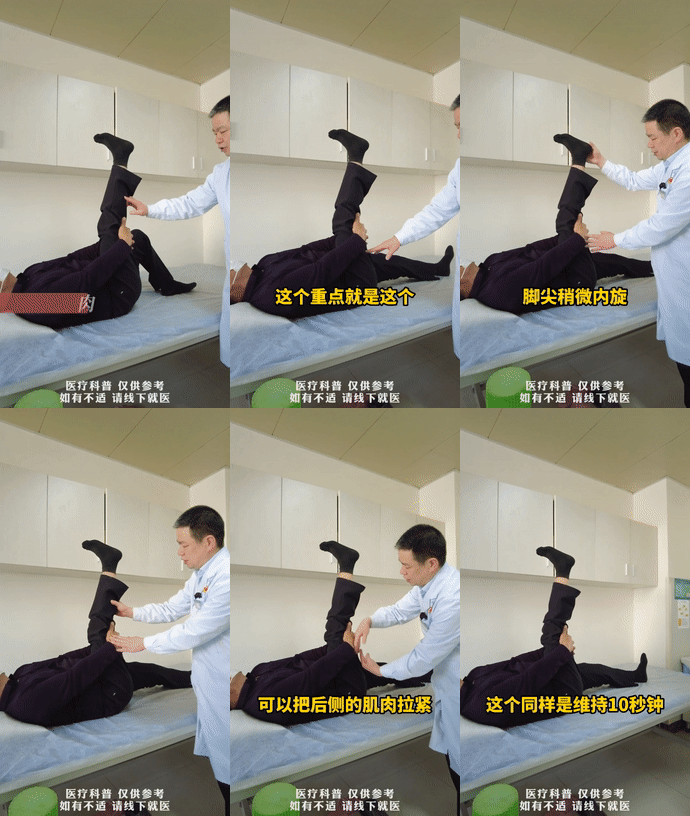
Tight hamstrings can also contribute to bow legs. Therefore, stretching the hamstrings is essential.
Action Steps:
(1) Lie on a bed or yoga mat and lift one leg, slightly rotating the toes inward. Cross your hands behind the thigh and gently straighten the lower leg, feeling a stretch in the hamstrings.
(2) Hold this position for 10 seconds, then relax and repeat on the other leg.
Step 4: Foam Roller Release Again
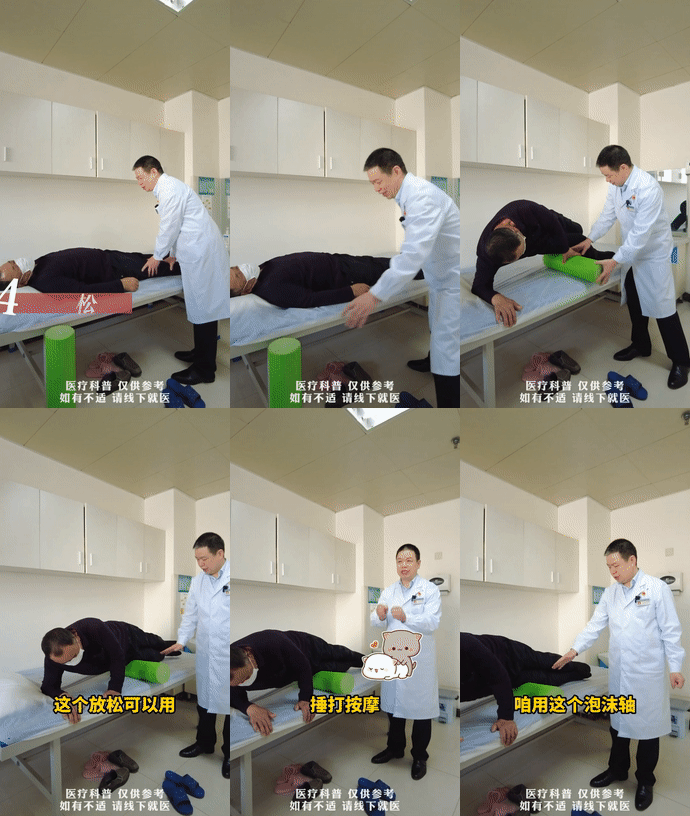
Repeat the foam roller release steps from Step 1. You can also use tapping massage or a fascia gun as alternatives to the foam roller. However, the foam roller provides the best relaxation effect.
Regular practice of these three simple, safe, and effective exercises can not only strengthen lower limb muscles but also adjust leg alignment, reduce knee pressure, and thereby improve symptoms of bow legs.
Adjust the intensity of the exercises based on your personal physique and comfort level. If symptoms persist or worsen, or if other discomforts arise, seek medical attention promptly for professional guidance and treatment.
Remember, consistency is key to improving bow legs. Let's start today and take confident, healthy steps forward with scientific exercise methods.