"Will I be unable to bend over for the rest of my life after undergoing lumbar spine surgery with screw fixation?"
When facing lumbar spine issues, many patients are filled with doubts and concerns. Particularly for those who have not yet undergone surgery but are considering surgical treatment, one of their greatest worries is whether the lumbar spine will become stiff due to the fixation of screws after the procedure, thereby affecting daily activities, especially the basic motion of bending forward. This concern often leads to hesitation and may even cause patients to miss the optimal treatment window.

Today, Dr. Wang Fengxian, Chief Physician at Dongzhimen Hospital of Beijing University of Chinese Medicine, will unravel this mystery for you, hoping to alleviate your inner doubts and unease.
01Why is Lumbar Spine Surgery Performed?
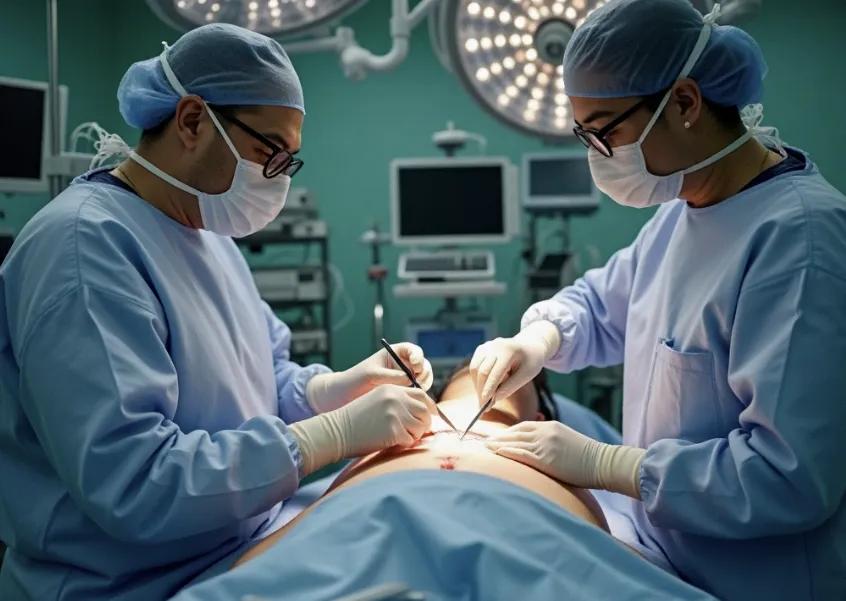
Lumbar spine surgery, particularly procedures involving spinal canal decompression and internal fixation (such as using screws), is typically employed to treat severe lumbar conditions like spinal stenosis, spondylolisthesis, or lumbar fractures. These surgeries aim to alleviate pain, restore spinal stability, and improve quality of life.
02Is Bending Forward Always Restricted After Lumbar Surgery?
First, it is important to clarify that the ability to bend forward is not necessarily restricted after lumbar spine surgery. Data published in 2023 in the *Chinese Journal of Spine Surgery* shows that among patients who underwent lumbar internal fixation surgery, 92.7% regained the ability to bend forward to tie their shoelaces within three months post-operation.
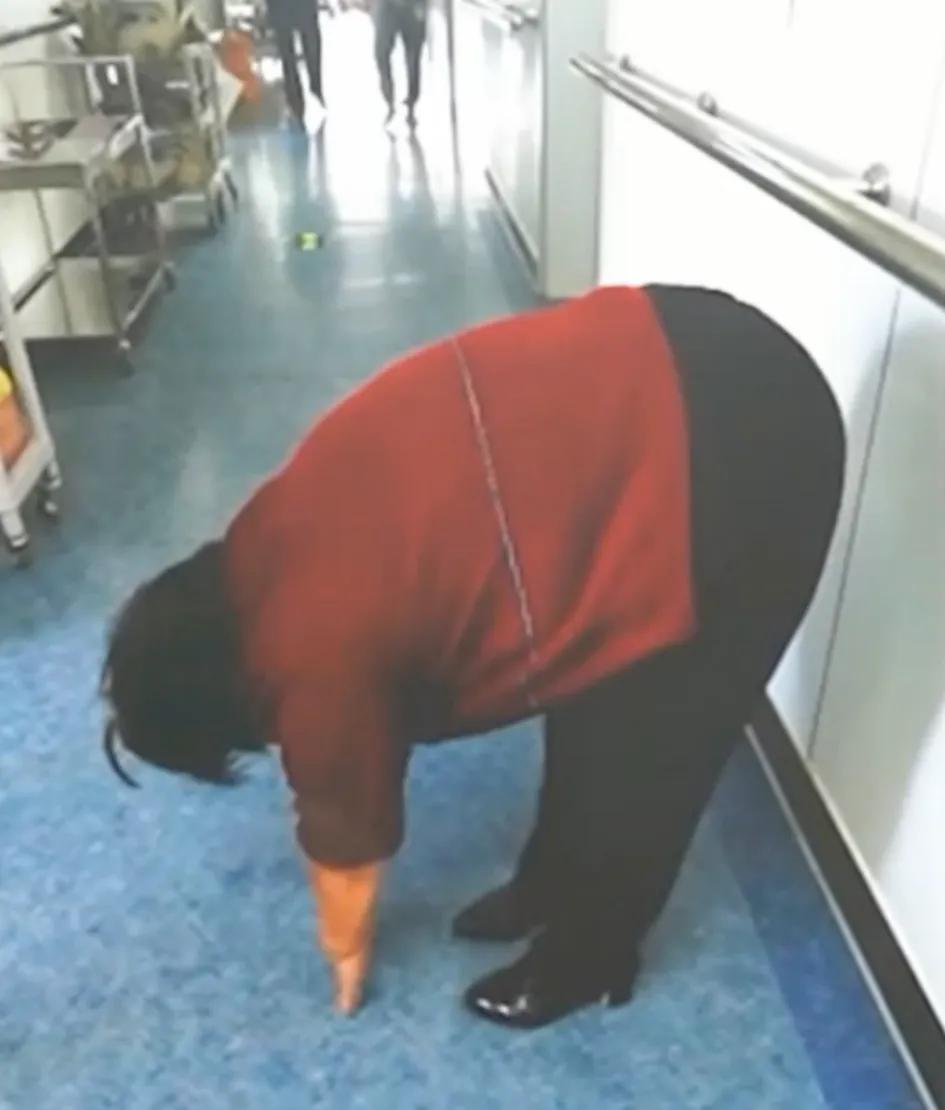
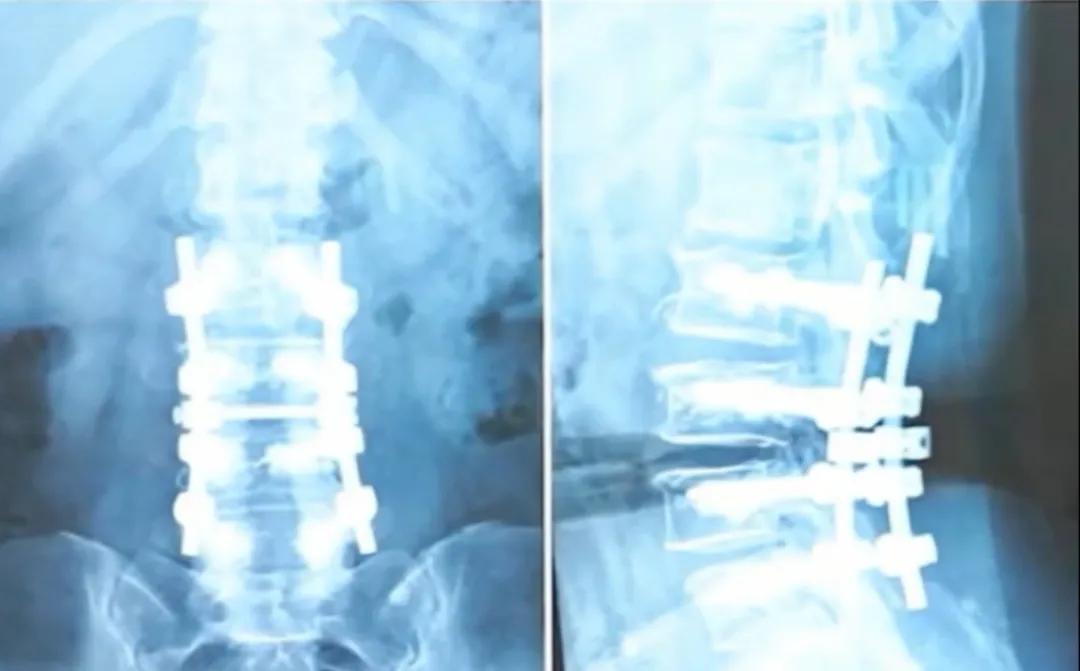
Take, for example, the patient in her 50s featured in the video. She underwent surgery due to severe spinal stenosis and osteoporosis. To maintain spinal stability, Dr. Wang implanted 4 pairs (8 total) of screws in her lumbar spine and performed vertebral body augmentation using bone cement. While such a procedure may sound extensive, surprisingly, her lumbar flexibility remained excellent post-surgery, even allowing her to touch the ground with both hands.
03"Bending Forward" Actually Involves the Hips, Not the Waist
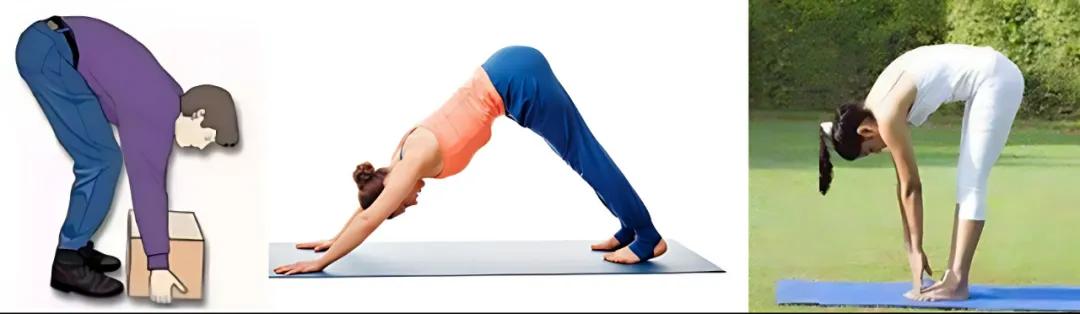
Why can patients still bend forward after having screws implanted? The reason lies in the biomechanics of the bending motion. When we bend forward, although the waist curves, the primary flexion point is actually at the hip joints, not the lumbar spine itself. Therefore, even if part of the lumbar spine is fixed, we can still achieve the bending motion through flexion at the hip joints.
04Does Internal Fixation Make the Lumbar Spine Stiff?
Furthermore, the primary purpose of internal fixation (such as screws) in lumbar surgery is to maintain spinal stability, not to restrict its movement. During the procedure, surgeons select the most appropriate fixation method and extent based on the patient's specific condition.
For short-segment fixation, the impact on lumbar mobility is typically minimal. For long-segment fixation, while it may impose some limitations on certain lumbar movements, it does not lead to complete rigidity.
05Don't Forget Rehabilitation Exercises Post-Surgery
For patients concerned about restricted bending ability after lumbar surgery, worries about being unable to bend forward can be completely dismissed. Of course, postoperative rehabilitation exercises are also crucial. Through scientific exercise methods, we can further restore lumbar flexibility and strength, thereby improving quality of life.

In summary, having screws implanted during lumbar surgery does not mean you cannot bend forward. Through scientific treatment and exercise methods, your doctor will help you regain a healthy life.