Orthopedic Experts Warn: These 7 Signals Indicate You Are Losing Calcium!

As people age, middle-aged and older adults commonly face the issue of calcium loss. Calcium deficiency not only affects bone health but may also trigger a series of physical discomforts. Understanding the manifestations of calcium deficiency in this population helps us identify problems promptly and take appropriate measures. Today, Dr. Sun Haolin, Chief Physician at Peking University First Hospital, reminds you to pay attention to the seven major signals of calcium deficiency in middle-aged and older adults.
First Major Signal: Frequent Fatigue and Lethargy
If middle-aged and older adults often feel tired and fatigued, it could be a sign of calcium deficiency. Calcium is a crucial mineral for maintaining normal muscle contraction and relaxation. Deficiency can lead to decreased muscle function, resulting in feelings of fatigue. Long-term calcium deficiency in this group not only causes muscle weakness but may also impact daily quality of life.

Second Major Signal: Lower Back Pain
Calcium deficiency leads to decreased bone density, making bones fragile and prone to fractures or deformities. Particularly when osteoporosis affects the lumbar vertebrae, they become unable to bear body weight, leading to vertebral compression fractures and resulting in persistent lower back pain. In such cases, there is often significant elicited pain upon pressure or percussion.

Third Major Signal: Loose Teeth
Teeth are the hardest part of the human body, primarily composed of the mineral calcium. Calcium deficiency affects dental health. Long-term calcium deficiency in middle-aged and older adults can lead to alveolar bone resorption, causing teeth to become loose or prone to falling out. A 2021 study published in the *Journal of Dental Research* showed that for every 1 standard deviation decrease in jawbone mineral density, the risk of tooth loss increases by 26%.

Fourth Major Signal: Noticeable Kyphosis (Hunchback)
Middle-aged and older adults are prone to osteoporosis due to calcium deficiency. In daily life, minor unintentional forces such as coughing, sneezing, or stretching during work can easily lead to spinal compression fractures. When a wedge compression fracture occurs in the spine (where the anterior part of the vertebra is noticeably flattened), the body often manifests as kyphosis.
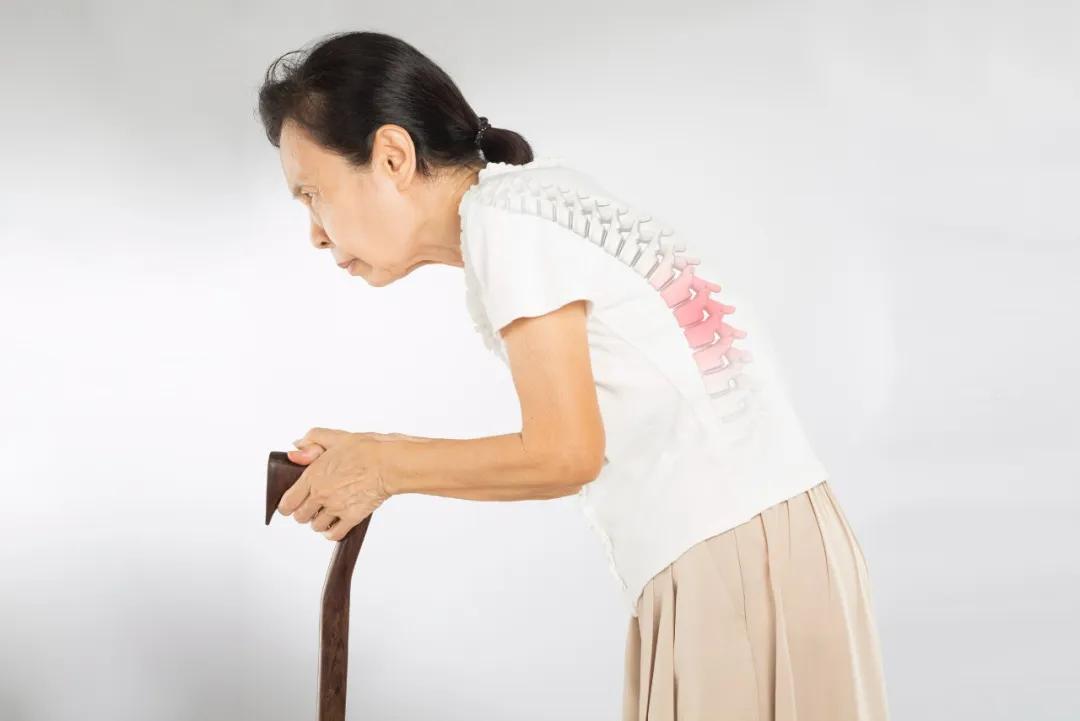
Fifth Major Signal: Loss of Height
Similar to the second and fourth signals, this is caused by osteoporosis due to calcium deficiency, leading to spinal compression fractures. When multiple vertebrae are flattened both anteriorly and posteriorly due to fractures, a person becomes noticeably shorter. If an elderly person loses more than 2 centimeters in height per year, timely medical consultation is necessary.
These three points require particular attention from women, as after entering menopause, declining estrogen levels gradually diminish its protective effect on bones, making them more prone to lower back pain, kyphosis, and height loss.

Sixth Major Signal: Loss of Appetite and Indigestion
In cases of severe hypocalcemia (serum calcium < 2.0 mmol/L), the contraction rhythm of intestinal smooth muscle may be affected, leading to bloating and constipation. Calcium deficiency often coexists with vitamin D deficiency, and vitamin D deficiency can cause muscle weakness and fatigue, indirectly affecting the desire to eat.
If middle-aged and older adults simultaneously experience loss of appetite, bone pain, and susceptibility to fractures, it is necessary to investigate secondary calcium metabolism disorders such as parathyroid dysfunction or chronic kidney disease.

Seventh Major Signal: Prone to Muscle Cramps
In cases of severe calcium deficiency (serum calcium < 2.0 mmol/L), increased neuromuscular excitability may trigger spasms, often accompanied by symptoms like numbness in the hands and feet and arrhythmia. Nocturnal leg cramps are common in the elderly and pregnant women, possibly related to muscle fatigue and poor blood circulation. A 2019 study published in *The BMJ* indicated that approximately 12% of muscle cramp cases are associated with hypocalcemia.

Wishing You Good Health
If you experience any one or more of the above seven major signals, it should be taken seriously. It is recommended to seek medical attention promptly to check for calcium deficiency and osteoporosis.
In daily life, we should also pay attention to a balanced diet and increase calcium intake, such as consuming more milk, tofu, and kelp, which are rich in calcium. Additionally, moderate exercise and adequate sun exposure also help promote calcium absorption and utilization.