Lose Weight for Health, and Treat Knee Diseases!

Adopting scientific weight loss methods can not only improve overall health but also effectively alleviate knee joint pain, significantly enhancing our quality of life. Regarding this, let's listen to the advice and methods shared by Dr. Liu Qiang, Deputy Chief Physician of the Department of Orthopedics and Rehabilitation Medicine at Peking University People's Hospital.
Why is Weight Loss Beneficial for the Knee Joint?
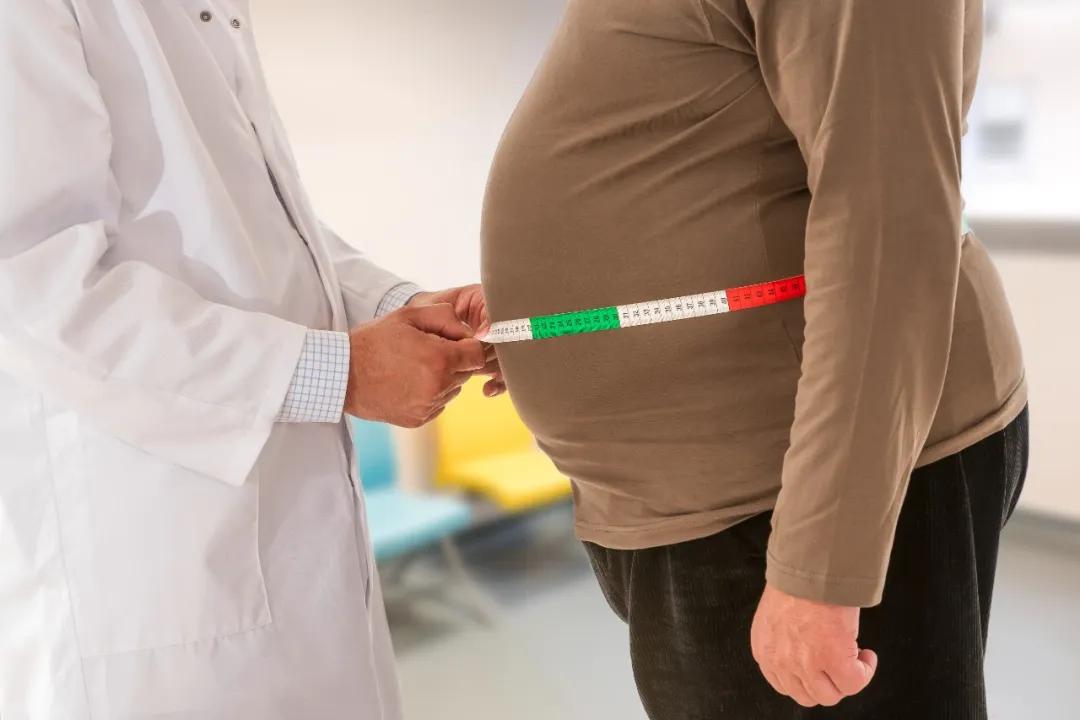
Overweight or obesity is a significant risk factor for joint damage. Excessive body weight places additional stress on the knee joints, which over time can lead to wear and tear of the articular cartilage, uneven joint surfaces, and subsequently cause symptoms such as pain and stiffness. Therefore, from this perspective, weight loss is naturally beneficial for the knee joints.
In medicine, the most commonly used indicator to assess obesity is the Body Mass Index (BMI). BMI is a globally recognized grading method for assessing the degree of obesity and is closely related to the total amount of body fat.
The standard index for a healthy weight (BMI) should be maintained between 18.5 and 23.9.
The calculation method is as follows:
BMI = Weight (kg) ÷ Height squared (m²)
Medical research has confirmed the positive effect of weight loss on alleviating joint pain, a point also emphasized by Director Lei of the National Health Commission during the Two Sessions. He pointed out that abnormal body weight has become the "number one hidden danger" threatening the health of Chinese residents, and the resulting chronic diseases such as hypertension, diabetes, cardiovascular diseases, as well as knee joint diseases, are becoming major challenges for the healthcare system.
A long-term follow-up study confirmed a corresponding dose-response relationship between weight change and changes in pain and physical function. Over approximately three years, according to the reference standard, a weight loss of more than 10% significantly reduces function-related pain and correspondingly improves functional status. Another study confirmed that an average weight loss of 5kg in women reduced the risk of knee osteoarthritis by 50%.
Furthermore, the Osteoarthritis Research Society International (OARSI) guidelines recommend "weight loss of 5%-10%" as a first-line non-pharmacological intervention for knee osteoarthritis (updated 2023).
How to Lose Weight Scientifically to Treat Knee Joint Diseases?
To achieve the goal of treating knee joint diseases through weight loss, it is first necessary to set an achievable and reasonable weight loss target. According to medical research, if you want to alleviate joint pain through weight loss, you need to lose at least 5 kilograms (you can set a scientific goal of losing these 5 kilograms in 3 months).
For individuals with higher body weight, a target of losing 5% to 10% of body weight can also be considered, for example, a person weighing 100 kilograms needs to lose at least 5 to 10 kilograms to achieve the therapeutic purpose (this requires a more reasonable weight loss plan and a longer time to achieve).

How to Implement It Specifically?
1. Dietary Adjustment
Dietary adjustment is the foundation of weight loss. To achieve weight loss, the most commonly used method is calorie restriction, which involves reducing daily calorie intake to below the calories expended, thereby achieving weight loss. However, dietary adjustment is not simply about reducing food quantity; it also requires attention to dietary balance and variety. It is recommended to consult a professional nutritionist to develop a personalized diet plan based on individual circumstances.
In terms of dietary patterns, one can choose a diet that is low in sugar, high in protein, and contains moderate fat, while increasing the intake of foods rich in dietary fiber such as vegetables and fruits. Additionally, attention should be paid to dietary regularity and good eating habits, such as eating at regular times and in appropriate amounts, and chewing food slowly and thoroughly.

2. Exercise
Exercise is another powerful tool for weight loss. Through exercise, the body's metabolic rate can be increased, burning more calories, thereby achieving weight loss. At the same time, exercise helps maintain muscle mass, preventing muscle loss during the weight loss process.
Many non-exercising individuals lose muscle mass (or lose water from muscles) during the initial or even middle stages of weight loss. Consequently, they find their muscle quality has also decreased after weight loss, which is not good news for the joints.

For those who want to treat knee joint diseases through weight loss, they can choose some exercise methods that place less burden on the knee joints, such as aerobic exercise and resistance training. Aerobic exercises like brisk walking, jogging, and swimming can enhance cardiopulmonary function and increase the body's metabolic rate; resistance training such as dumbbell lifting and elastic band exercises can strengthen muscle strength and protect the knee joints.
It is important to note that exercise intensity and duration should be gradually increased during exercise to avoid knee joint injury due to overexertion. At the same time, if knee joint pain is severe or other health problems exist, it is recommended to exercise under the guidance of a professional doctor.

Regarding this, Director Lei of the National Health Commission also mentioned the application of technology in weight management. We can utilize tools such as health management apps to monitor and analyze data like weight and exercise volume in real-time, in order to better adjust diet and exercise plans. Furthermore, one can seek help from professional medical institutions, such as medical facilities that have established "weight management clinics," to provide personalized diagnosis and treatment plans for overweight, obese, and chronic disease patients.