These Two Affordable Medications Can Alleviate 80% of Body Pain, Offering Effective Relief While Saving Money!
Scientific Medication, Cost-Effective and Reassuring
In daily life, pain seems to be an unavoidable part, whether it's shoulder pain, back pain, lumbar pain, or leg pain. These pains not only affect our quality of life but may also lead us to spend significant amounts of money on purchasing various pain relievers and seeking treatments.

In fact, there are two affordable and practical medications that can address nearly 80% of the pain throughout our bodies, helping to alleviate discomfort and save money. Today, Dr. Huang Sihua from the Second Affiliated Hospital of Xi'an Jiaotong University shares this practical knowledge with you.
Affordable and Effective Medication Number One
First is the well-known ibuprofen. Ibuprofen is an over-the-counter pain reliever widely used to alleviate various types of pain, including arthritis, toothaches, menstrual cramps, and muscle strains.
Its mechanism of action is akin to pouring cold water on inflamed joints, as it reduces pain by inhibiting inflammatory mediators in the body. However, it is important to note that ibuprofen should preferably be taken after meals to minimize gastric irritation. Individuals with sensitive stomachs should exercise extra caution when using ibuprofen and are advised to use it under medical guidance.
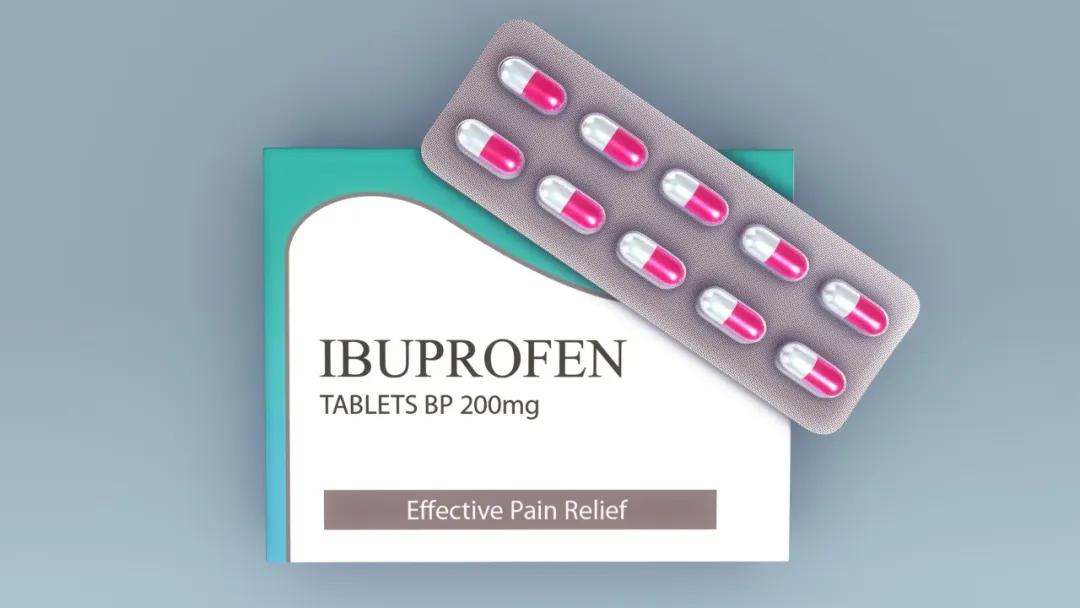
(Image is for illustrative purposes only and does not constitute a product recommendation)
Affordable and Effective Medication Number Two
Next is acetaminophen, commonly known as paracetamol. Acetaminophen is primarily used to treat symptoms such as colds, fever, and headaches. Compared to ibuprofen, acetaminophen causes less gastric irritation, making it more suitable for individuals with sensitive stomachs.
However, acetaminophen only has antipyretic and analgesic effects and does not possess anti-inflammatory properties. When using acetaminophen, the maximum daily dose should not exceed four times. Additionally, it should not be used before or after consuming alcohol to avoid adverse reactions.

(Image is for illustrative purposes only and does not constitute a product recommendation)

Important Reminder:
Although both ibuprofen and acetaminophen are effective pain relievers, they must never be taken together. This is because they both belong to the class of antipyretic analgesics and share similar mechanisms of action. Concurrent use may lead to excessive inhibition of prostaglandin synthesis, thereby increasing the risk of intestinal discomfort, gastric ulcers, and gastrointestinal bleeding. Furthermore, prolonged and excessive use of these medications may also cause kidney damage.
When using these two medications, we need to pay attention to the following points:
1. Pain relievers are not candy. If pain does not subside after three consecutive days of use, discontinue use immediately and seek medical attention.
2. Special populations, such as pregnant women, patients with impaired liver or kidney function, and the elderly, should use these medications under medical guidance to ensure safety.
3. If pain persists or worsens, seek medical attention promptly to identify and treat the underlying cause of the pain.