Knee osteoarthritis is not an infectious disease, so why do doctors say it can be "contagious"?
How Can Knee Osteoarthritis Be "Contagious"?
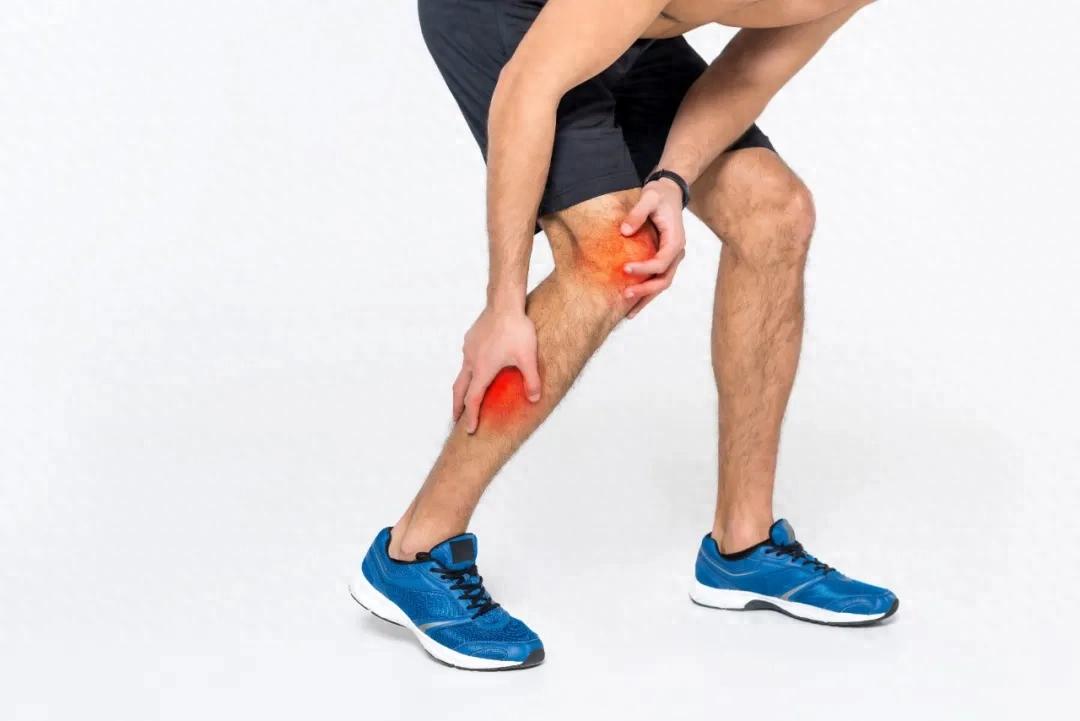
Knee osteoarthritis often causes pain and functional impairment. It results from the wear and degeneration of articular cartilage, which occurs naturally with aging and can be accelerated by external factors such as overuse, trauma, or genetics.
Since this condition is not caused by pathogens (such as bacteria or viruses), it is naturally not contagious. However, an orthopedic specialist, when providing health advice to patients, described it as "contagious." Let's explore why Dr. Sun Fenglong, Chief Physician of the Second Orthopedic Rehabilitation Center at Beijing Rehabilitation Hospital affiliated with Capital Medical University, would say this.
Using "Contagious" as a Figurative Analogy
In fact, Dr. Sun's use of the term "contagious" is a metaphor or figurative expression. This is because knee osteoarthritis often begins in one leg and gradually affects the other.
Specifically, our legs share the workload of supporting the body. When the articular cartilage in one leg wears down and causes pain, patients often unconsciously reduce activity in that leg to avoid discomfort.
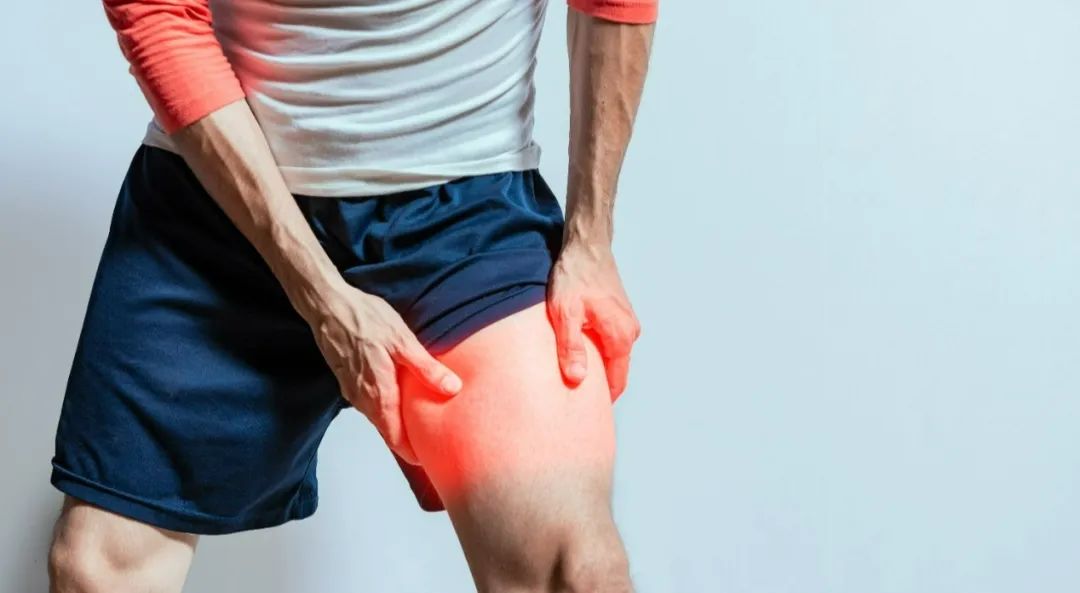
As a result, the other leg must bear more load and work, accelerating the wear of its cartilage and joint degeneration. Over time, the originally less affected leg also gradually develops pain and functional impairment, as if the condition has "spread" to the other leg.
"Contagion" Under the Body's Self-Protection Mechanisms
Two important mechanisms underlie this phenomenon:
1. The Body's Tendency to Avoid Strain: When one knee joint is damaged, daily activities such as walking and standing cause the body to shift more weight to the healthy leg. This overuse can lead to a series of joint and muscle issues in the healthy leg.
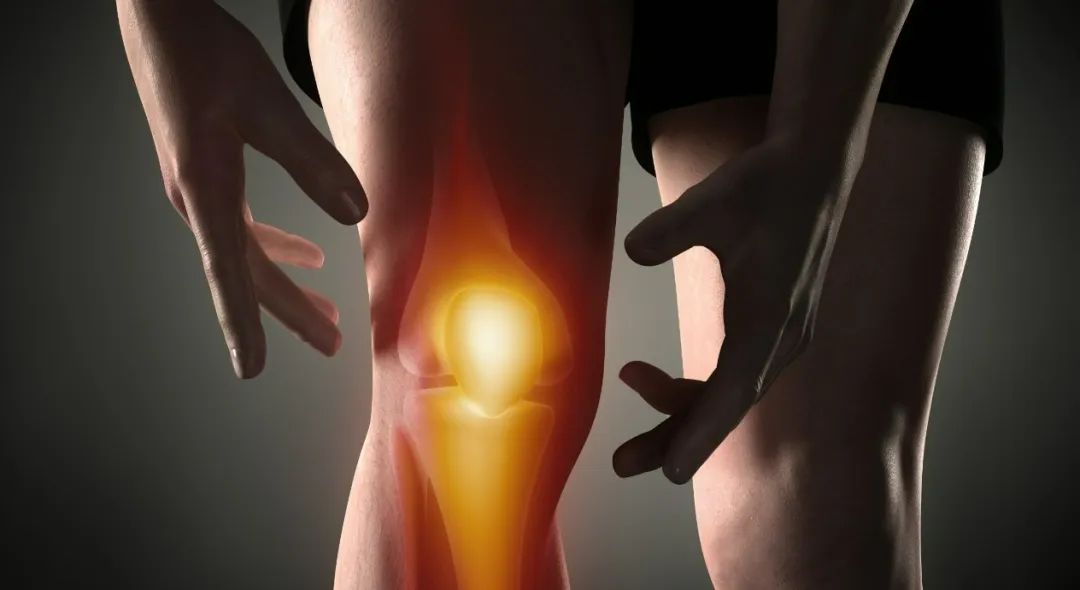
2. The Brain's Erroneous Inhibition: The injured leg not only affects its own muscle function but also influences the muscle function of the contralateral healthy leg through neural signals. After receiving information from the injured leg, the brain's motor center generates inhibitory signals that not only suppress activity in the injured leg but also erroneously inhibit the motor function of the healthy leg, leading to decreased muscle strength, reduced motor coordination, and diminished joint flexibility.

How to Prevent the "Contagion" Phenomenon
After understanding the mystery of "contagion," we can adopt some effective preventive measures:
1. Seek Medical Attention Promptly: When a joint is injured, be sure to seek help from a professional doctor promptly, aiming for early detection, diagnosis, and treatment. Timely treatment and rehabilitation advice can slow disease progression and reduce the burden on the healthy leg.
2. Standardized Treatment and Rehabilitation: Actively cooperate with the doctor's treatment and rehabilitation recommendations and engage in standardized rehabilitation training and functional exercises. This helps strengthen the injured joint, improve stability, and reduce the risk of re-injury. Additionally, proper rehabilitation exercises can enhance muscle strength, improve joint flexibility, and alleviate the burden on the healthy leg.

3. Adjust Daily Activities: When walking, standing, or performing other daily activities, try to maintain balance and avoid concentrating weight on one leg for extended periods. Assistive devices such as canes or walkers can be used to distribute body weight and reduce joint burden.
4. Engage in Scientific Exercise: Choose exercises that are beneficial for joint health, such as brisk walking, swimming, or cycling. These activities can enhance muscle strength, improve joint flexibility, and avoid excessive pressure on the joints. However, it is important to avoid overusing the joints during exercise to prevent worsening the condition.

5. Maintain a Healthy Weight: Excess weight increases the burden on joints and accelerates the wear of articular cartilage. Therefore, maintaining a healthy weight is crucial for preventing and managing knee osteoarthritis.